

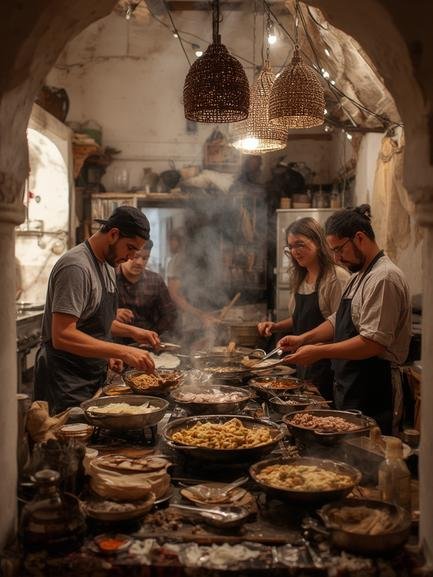

Morocco’s capital city is a treasure trove of cultural experiences, and one of the most enriching activities for visitors is participating in Rabat cooking classes. These immersive culinary experiences allow travelers to connect with Moroccan culture through its rich and diverse cuisine. When you join Moroccan food workshops, you’re not just learning recipes—you’re gaining insight into centuries of cultural traditions, spice combinations, and cooking techniques that have made Moroccan cuisine world-famous.
From tagines to couscous, pastilla to mint tea ceremonies, these hands-on classes provide a delicious education that becomes a highlight of any Moroccan journey.
History & Cultural Background
Moroccan cuisine represents a fascinating culinary fusion shaped by the country’s complex history. Berber, Arab, Andalusian, Mediterranean, and French influences have all contributed to what we now recognize as Moroccan food. Traditional cooking techniques have been passed down through generations, often from mother to daughter, preserving authentic methods for preparing dishes like tagine, a slow-cooked stew named after the conical earthenware pot it’s cooked in.
In Rabat specifically, the culinary traditions reflect both the royal heritage of the capital city and the coastal influence of the Atlantic. Palace cooking techniques, which use intricate spice combinations and labor-intensive preparation methods, have influenced the city’s food culture. Cooking has always been considered an art form in Moroccan culture, with meals serving as important social gatherings that strengthen family and community bonds.
Architectural Highlights & Key Features
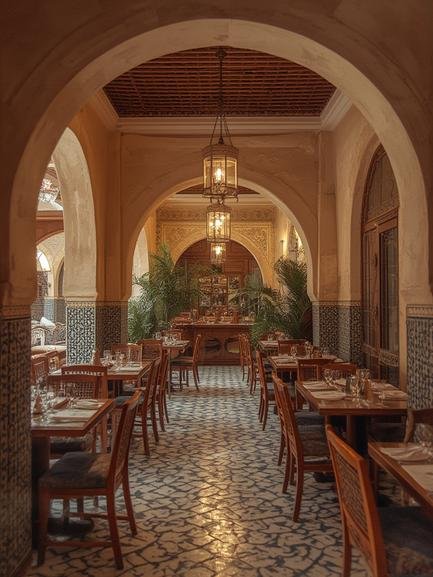
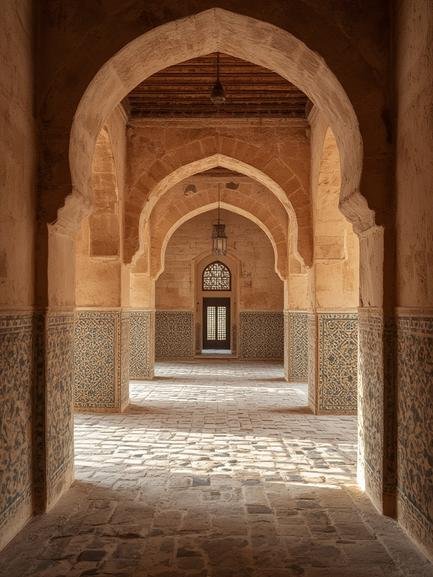
Most cooking classes in Rabat take place in traditional Moroccan homes, riads (traditional houses with interior courtyards), or purpose-built cooking schools designed to showcase the authentic Moroccan kitchen environment. These spaces often feature vibrant zellige tilework, carved plasterwork, and cedar wood ceilings that create an immersive cultural atmosphere.
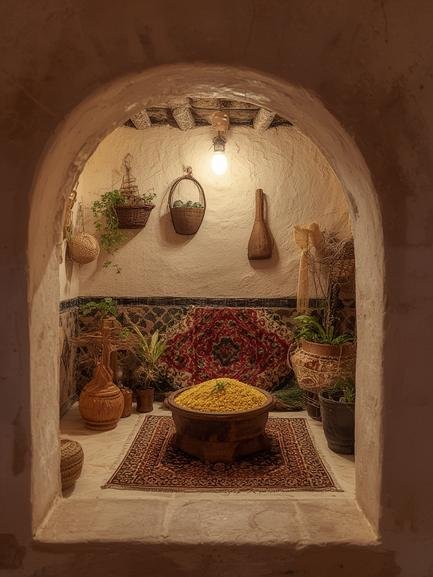
The traditional Moroccan kitchen itself is architecturally distinct, with specific areas for different cooking techniques. Clay tagine pots are central features, alongside copper cookware, wooden utensils, and specialized equipment for making couscous. The visual aesthetics of these kitchens, with their colorful spice displays and traditional design elements, enhance the cultural experience of the cooking classes.
Best Time to Visit & Practical Information
Rabat enjoys a mild Mediterranean climate, making cooking classes pleasant year-round. However, spring (March-May) and fall (September-November) offer the most comfortable temperatures, as summer classes can be warm without adequate air conditioning.
Most cooking classes run for 4-5 hours, typically from morning to early afternoon, allowing participants to enjoy the meal they’ve prepared for lunch. Prices range from 400-800 MAD ($40-80 USD) per person, depending on the complexity of the menu and whether market tours are included.
Advanced booking is recommended, especially during high tourist season. Most classes are conducted in English and French, though some schools offer other languages upon request. Comfortable clothing and closed-toe shoes are advised, and participants should notify instructors of any dietary restrictions in advance.
Step-by-Step Exploration Guide
A typical Rabat cooking classes experience follows a well-structured format that maximizes both learning and enjoyment:
1. Morning Market Visit (Optional but recommended): Many classes begin with a guided tour of a local market where you’ll learn about Moroccan spices, produce, and ingredients while purchasing what you’ll use in class. The vibrant Rabat Central Market or smaller neighborhood souks provide an authentic glimpse into Moroccan daily life.
2. Welcome Mint Tea Ceremony: Upon arriving at the cooking venue, instructors typically welcome participants with traditional mint tea and Moroccan pastries while explaining the day’s menu and Moroccan food workshops.
3. Hands-On Preparation: Participants are assigned individual workstations with all necessary equipment. The class typically begins with learning spice combinations and preparing marinades for main dishes.
4. Multiple Dish Preparation: Most classes teach participants to prepare a complete Moroccan meal, including:
– A selection of salads and starters
– A main tagine dish (often chicken with preserved lemon or beef with prunes)
– Bread making
– Dessert preparation (often seasonal fruit or pastries)
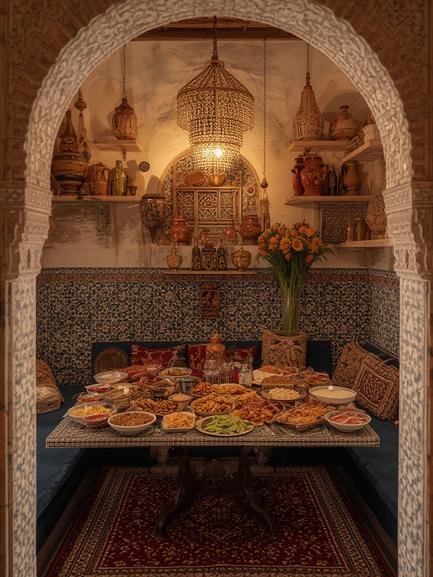
5. Communal Dining: Once everything is prepared, participants sit down together to enjoy the fruits of their labor, often in a traditional Moroccan dining room.
6. Recipe Sharing: Most instructors provide printed recipes to take home, ensuring participants can recreate their Moroccan culinary experience after their trip.
Nearby Attractions, Food & Accommodation
After your cooking class, explore Rabat’s fascinating cultural sites:
Nearby Attractions:
– The Kasbah of the Udayas (15-minute walk from central Rabat)
– Hassan Tower and Mausoleum of Mohammed V (central location)
– Chellah Necropolis (short taxi ride)
– The Medina of Rabat (walking distance from most cooking schools)
Where to Eat:
– Dar Naji: Traditional Moroccan cuisine in an elegant setting
– Le Dhow: A restaurant on a boat with Mediterranean-Moroccan fusion
– Yamal Acham: For excellent Syrian and Middle Eastern fare
– Ty Potes: French-Moroccan fusion in a cozy setting
Accommodation Options:
– Luxury: Sofitel Rabat Jardin des Roses or Hotel La Tour Hassan Palace
– Mid-range: Riad Kalaa or Dar El Kébira
– Budget: Riad Marhaba or Hotel de Paris
Travel Tips & Common Mistakes to Avoid
Tips for Getting the Most from Your Class:
– Arrive hungry – you’ll be sampling throughout the class and enjoying a full meal
– Take notes beyond the printed recipes – instructors often share verbal tips
– Ask about ingredient substitutions for your home country
– Learn key Arabic or French cooking terms to enhance your experience
– Bring a small gift for your instructor (optional but appreciated)
Common Mistakes:
– Not booking in advance, especially during peak tourist season
– Overlooking dietary restrictions – communicate these when booking
– Missing the market tour component, which provides cultural context
– Wearing restrictive clothing that makes cooking uncomfortable
– Focusing too much on photography and missing hands-on learning opportunities
Conclusion
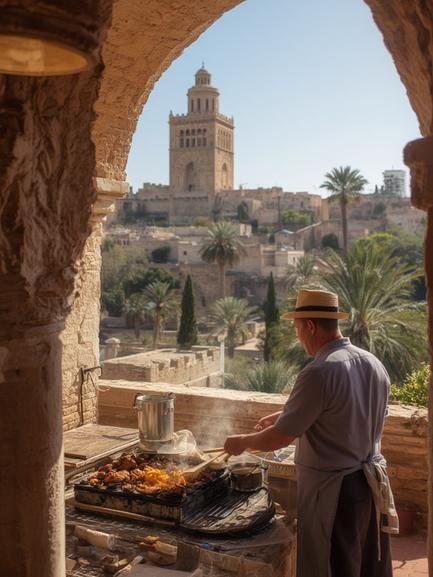
Rabat cooking classes offer far more than just culinary instruction—they provide a doorway into Moroccan culture, history, and social traditions. The skills you gain will travel home with you, allowing you to recreate the flavors of Morocco long after your journey ends. These Moroccan food workshops create lasting memories through sensory experiences: the aroma of simmering spices, the texture of hand-kneaded dough, and the satisfaction of sharing a meal you’ve prepared using centuries-old techniques. Whether you’re a dedicated foodie or simply looking for an authentic cultural experience, participating in a cooking class should be on every Rabat visitor’s itinerary. Book your culinary adventure today and discover why Moroccan cuisine has captivated food lovers worldwide for generations.
FAQs
How long do typical Rabat cooking classes last?
Most cooking classes last between 4-5 hours, including preparation time and the meal. Half-day classes typically run from 9:30 AM to 2:30 PM, while some evening classes may run from 4:00 PM to 8:00 PM.
Do I need previous cooking experience to participate?
No prior cooking experience is necessary. Classes are designed for all skill levels, from complete beginners to experienced home cooks. Instructors provide step-by-step guidance throughout the process.
Are the cooking classes suitable for vegetarians or people with dietary restrictions?
Yes, most cooking schools can accommodate vegetarian, vegan, gluten-free, and other dietary restrictions with advance notice. Many traditional Moroccan dishes are naturally vegetarian, making adaptation straightforward.
What should I bring to a cooking class?
Just bring yourself, comfortable clothes, and closed-toe shoes. Some participants like to bring a small notebook for additional notes and a camera. All cooking equipment, aprons, and ingredients are provided by the cooking school.
Can children participate in the cooking classes?
Many cooking schools welcome children (usually age 8 and above), making this a wonderful family activity. Some schools offer special family-friendly classes with simpler recipes and tasks appropriate for younger participants.