

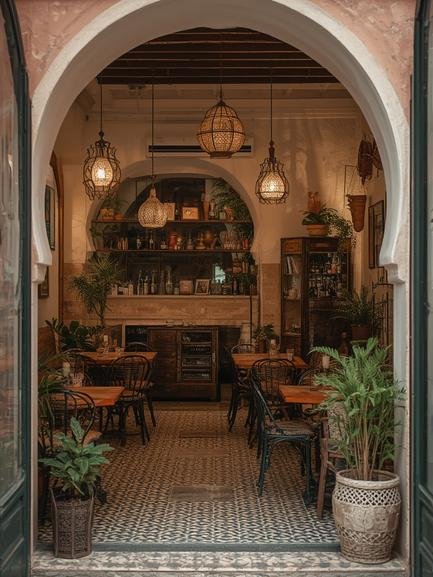

Have you ever wondered where to find the heart of Moroccan social life in its capital city? Rabat cafes and coffee culture offer a fascinating window into the soul of this historic city, where tradition meets modernity in steaming cups of mint tea and rich espresso. Beyond just places to grab a quick drink, these establishments serve as vital social hubs where locals and visitors alike gather to discuss politics, business, and life while enjoying Moroccan coffee traditions that have evolved over centuries.
For travelers seeking authentic cultural experiences, Rabat’s diverse café scene provides a perfect blend of historical ambiance and contemporary Moroccan life.
History & Cultural Background
Rabat’s café culture traces its roots to the early 20th century when French colonial influence introduced European-style cafés to Morocco. However, these spaces quickly merged with Morocco’s centuries-old tea houses and social gathering traditions. During the protectorate era (1912-1956), cafés became important political meeting points where independence movements took shape. After Morocco gained independence, these establishments evolved into cultural institutions reflecting both Arabic-Andalusian heritage and French influences.
Traditional Moroccan cafés, known as “maqha,” originally served as male-dominated social spaces where men would gather to play cards, smoke hookah, and discuss current affairs. Today, Rabat’s café landscape has transformed dramatically, with inclusive spaces welcoming all genders and featuring everything from traditional tea service to third-wave specialty coffee shops that would feel at home in Paris or New York.
Architectural Highlights & Key Features
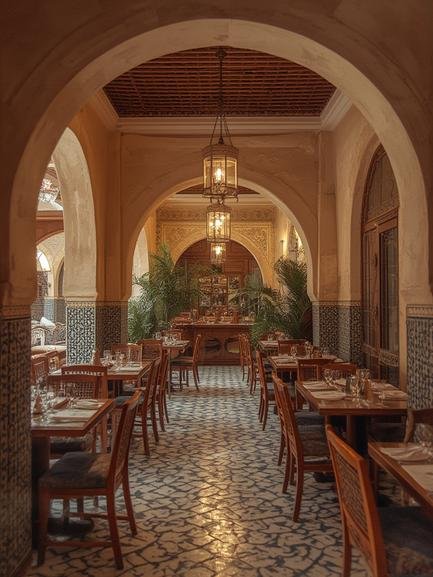
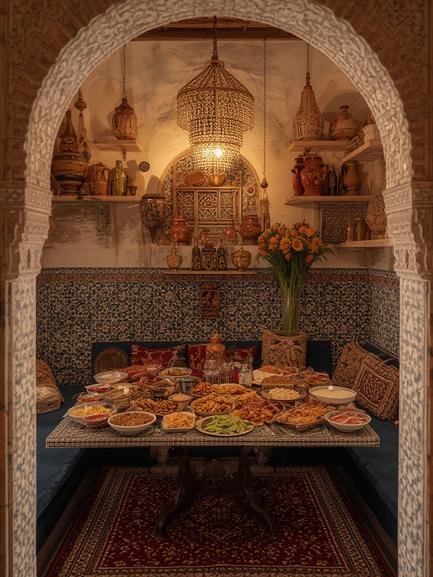
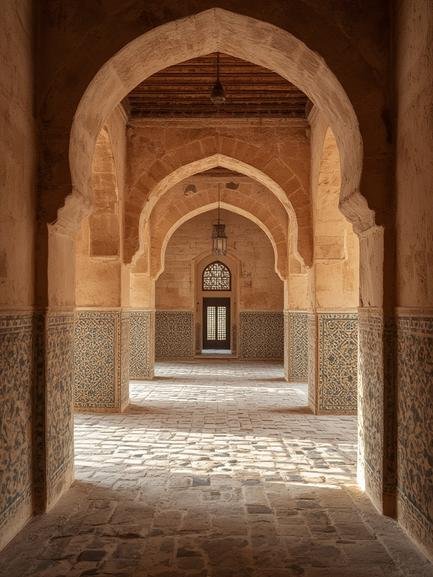
Rabat’s cafés showcase a fascinating architectural diversity reflecting the city’s historical layers. In the medina, you’ll find intimate, centuries-old tea houses with intricate zellige tilework, carved cedar ceilings, and traditional low seating. Meanwhile, colonial-era establishments in Ville Nouvelle feature art deco details, terrazzo floors, and ornate brass fixtures reminiscent of Parisian brasseries.
Modern cafés in neighborhoods like Agdal and Hassan blend contemporary design with Moroccan elements—think minimalist interiors accented with traditional hanging lanterns, colorful cushions, and decorative screens. Unlike Istanbul’s grand, palatial coffee houses or Vienna’s formal café institutions, Rabat’s establishments tend to be more intimate and neighborhood-focused, though equally rich in character.
Best Time to Visit & Practical Information
Rabat’s café scene can be enjoyed year-round, though each season offers a different experience. Spring (March-May) and fall (September-November) provide ideal temperatures for enjoying outdoor terraces. Summer afternoons (June-August) can be hot, making air-conditioned indoor cafés more appealing, while winter evenings (December-February) are perfect for cozy tea houses.
Most cafés open around 8am and close between 10pm and midnight, with peak social hours occurring between 4pm-7pm. Prices vary widely: expect to pay 10-15 dirhams ($1-1.50) for traditional mint tea, 15-25 dirhams ($1.50-2.50) for coffee in local establishments, and 25-40 dirhams ($2.50-4) in upscale or specialty coffee shops. No specific dress code applies, though modest attire is appreciated in traditional areas.
Step-by-Step Exploration Guide
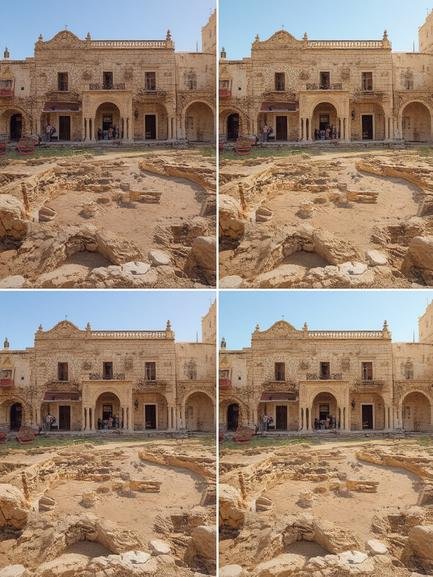
Begin your café journey in the morning at Café Maure in the Kasbah des Oudaias, where you can savor mint tea with panoramic views of the Atlantic Ocean. The blue and white surroundings create a perfect backdrop for photos.
Next, head to Avenue Mohammed V in the afternoon to experience Rabat cafes and coffee culture at historic spots like Café Renaissance, where intellectuals and artists have gathered since the 1940s. Order a “nous-nous” (half coffee, half milk) and watch the city pass by from the terrace.
For sunset, visit one of the oceanfront cafés along Rabat’s corniche, where you can witness spectacular views while enjoying Moroccan coffee traditions with a contemporary twist. End your day at a trendy spot in Agdal neighborhood, where young Rabatis gather for specialty coffee and desserts into the evening.
Nearby Attractions, Food & Accommodation
After exploring cafés, visit the nearby Hassan Tower and Mohammed V Mausoleum, just minutes from several historic coffee houses. The Chellah necropolis and Rabat Archaeological Museum make excellent morning destinations before stopping for midday refreshments.
For authentic dining, try traditional restaurants like Dinarjat or Dar Naji, specializing in Moroccan tajines and couscous. Budget travelers can find affordable accommodations at Riad Meftaha or Dar Yanis, while mid-range options include Riad Zyo and Hotel des Oudaias. Luxury seekers should consider La Tour Hassan or Villa Mandarine.
Travel Tips & Common Mistakes to Avoid
Many tourists miss authentic café experiences by sticking only to hotel cafés or international chains. Instead, look for places filled with locals. Don’t rush—Moroccan café culture is about savoring both beverages and conversation. Tipping is not required but appreciated (1-5 dirhams is sufficient for casual service).
Avoid photographing people without permission, particularly in traditional establishments. When visiting historic cafés in the medina, bring cash as credit cards aren’t always accepted. Finally, don’t limit yourself to daytime visits—evening café culture reveals a different side of Rabat society.
Conclusion
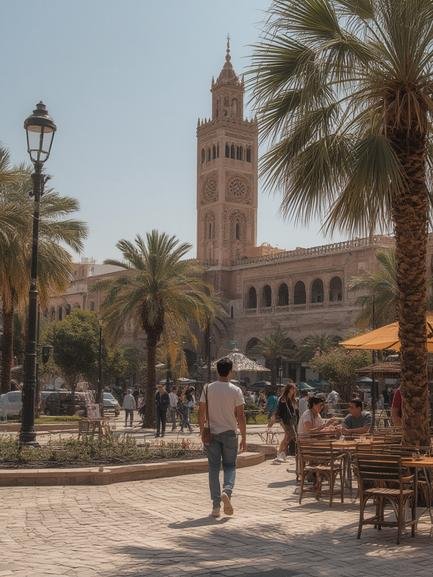
The Rabat cafes and coffee culture offers travelers much more than refreshment—it provides an authentic gateway to understanding Moroccan society, history, and daily life. From centuries-old tea houses to cutting-edge specialty coffee bars, these establishments encapsulate Morocco’s unique blend of tradition and modernity. By participating in the time-honored ritual of coffee consumption amid the backdrop of this historic capital, visitors connect with Moroccan coffee traditions in meaningful ways. Next time you’re planning a trip to North Africa, be sure to allocate ample time for café-hopping in Rabat—you’ll discover the city’s true essence one sip at a time.
FAQs
How much time should I dedicate to exploring Rabat’s café culture?
Ideally, spread your café visits across 2-3 days, visiting different neighborhoods and types of establishments to experience the full spectrum of Rabat’s coffee scene.
Is it appropriate for women to visit traditional cafés alone?
While modern cafés welcome everyone, some very traditional establishments in the medina remain predominantly male spaces. Women travelers might feel more comfortable visiting these with companions or choosing mixed-gender establishments.
Can I take photographs inside historic cafés?
Photography of architectural details is generally permitted, but always ask permission before photographing people or staff, and be respectful of other patrons’ privacy.
What’s the difference between Moroccan and Turkish coffee?
Moroccan coffee is typically similar to French press or espresso styles due to colonial influence, while Turkish coffee uses very finely ground beans boiled in a special pot (cezve). Both are delicious but distinctly different experiences.
Are cafés in Rabat suitable for digital nomads?
Modern cafés in neighborhoods like Agdal and Hassan increasingly offer reliable Wi-Fi and are becoming digital nomad-friendly, though it’s polite to order regularly if you plan to stay for extended work sessions.