


When exploring Morocco’s capital city, understanding the transportation system is crucial for seamless travel experiences. The Rabat bus station serves as the primary gateway for both locals and tourists looking to navigate within the city or venture to other Moroccan destinations. Located strategically within the urban landscape, this transportation hub offers connections to virtually every corner of Morocco, making it an essential point of reference for travelers.
Whether you’re planning to visit the coastal town of Essaouira beaches or exploring the capital itself, understanding how this central transit point operates will significantly enhance your Moroccan adventure.
History & Cultural Background

The main bus terminal in Rabat has evolved significantly since its establishment in the 1970s. Initially constructed to organize the growing transportation needs of Morocco’s administrative capital, the station has undergone several renovations to accommodate increasing passenger volumes and modernize facilities.
Historically, Rabat’s development as a capital city necessitated robust transportation infrastructure, with the bus station becoming a vital component of that system. Throughout the decades, it has witnessed Morocco’s transformation from a post-colonial society to a modernizing nation with growing tourism and business sectors.
The station reflects the broader cultural narrative of Moroccan public spaces—a blend of functionality with touches of traditional architecture. As transportation evolved in Morocco, the station adapted to new technologies while maintaining its role as a community gathering point where travelers from diverse backgrounds intersect.
Architectural Highlights & Key Features
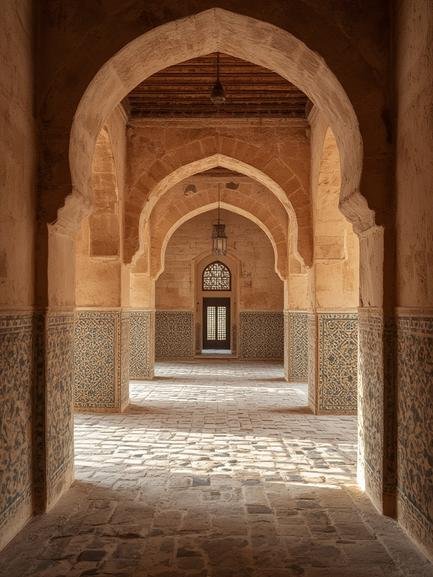
The architecture of Rabat’s main bus terminal blends practical functionality with elements of Moroccan design aesthetics. While primarily utilitarian in purpose, the station features:
– Covered waiting areas with subtle Moroccan architectural influences
– A spacious central concourse facilitating passenger flow
– Multiple boarding platforms organized by destination regions
– Ticket counters arranged along the perimeter for various bus companies
– Digital departure/arrival boards (a relatively recent addition)
– Small commercial spaces housing cafés, snack vendors, and convenience stores
The layout follows a practical organization system where buses to similar destinations are grouped together. While not an architectural landmark like other Rabat buildings, the station efficiently serves its purpose with a design that handles large passenger volumes during peak travel times.
Inside, you’ll find practical amenities, including
– Luggage storage facilities
– Public restrooms
– Prayer rooms
– Information desks for tourist assistance
– ATM machines and currency exchange services
Best Time to Visit & Practical Information
For travelers planning to use the station’s services, timing can significantly impact your experience:
Optimal Times:
– Early morning (6-8 AM) for less crowding and wider ticket availability
– Mid-afternoon (2-4 PM) typically sees reduced passenger volume
– Avoid Friday afternoons and Sunday evenings when weekend travelers create congestion
Operating Hours:
– The station operates daily from approximately 5:00 AM to midnight
– Ticket offices generally open from 6:00 AM to 10:00 PM
– Some bus services run 24 hours, particularly overnight routes to major cities
Getting There:
– By local bus: Several city routes stop directly at the station
– By petit taxi: Readily available throughout Rabat, costing 15-30 dirhams from most areas
– By tram: The nearest station is a 10-minute walk away
Ticket Purchasing:
– Tickets are generally purchased directly at company counters
– For popular routes or holiday periods, booking 1-2 days in advance is recommended
– Most companies accept cash only, though larger operators increasingly offer card payment
Step-by-Step Exploration Guide
Navigating the Rabat bus station efficiently requires some strategic planning. For travelers planning to use this hub as a starting point for journeys to destinations like the Essaouira beaches, follow this exploration path:
1. Orientation (10 minutes) – Upon arrival, take a moment at the main entrance to observe the station layout. Look for the central information board displaying company locations and destinations.
2. Ticket Purchase (15-30 minutes) – Head to the ticket counters section. Major companies like CTM and Supratours have dedicated offices, while smaller operators share a common ticketing area. Compare prices and schedules before purchasing.
3. Waiting Area Selection (5 minutes)—After securing your ticket, identify your designated departure platform and find a comfortable waiting spot nearby. The north side of the station tends to be quieter if you have a long wait.
4. Refreshment Stop (10-20 minutes) – Visit the central food court area where several small cafés offer Moroccan mint tea, coffee, and light snacks. Avoid the rush period just before major departures.
5. Boarding Preparation (15 minutes before departure)—Position yourself near your platform about 15 minutes before scheduled departure. Listen for announcements, as gates sometimes change.
6. Luggage Handling (5 minutes)—When boarding begins, approach the luggage handler who will store larger bags in the undercarriage compartment. Keep valuables and travel documents in a smaller bag with you.
Nearby Attractions, Food & Accommodation
The area surrounding the bus terminal offers several convenient options for travelers:
Nearby Attractions (Within 2 km):
– Rabat Medina – 1.5km (historic walled city with traditional markets)
– Mohammed V Avenue—1 km (main commercial street)
– Jardin d’Essais Botaniques—2 km (botanical gardens)
Food Options:
– Budget: Several small street food vendors offer traditional Moroccan sandwiches and snacks directly outside the station
– Mid-range: Café Maure (500m) serves authentic Moroccan cuisine in a casual setting
– Higher-end: Restaurant Dar Naji (1.2km) offers refined traditional dishes in an elegant setting
Accommodation:
– Budget: Hôtel Central (800m) offers clean, basic rooms from 200 dirhams
– Mid-range: Riad Kalaa (1.5km) provides traditional Moroccan-style rooms from 600 dirhams
– Luxury: Hotel Sofitel Rabat (2.5km) features upscale amenities starting from 1,500 dirhams
For travelers with layovers of several hours, the station’s proximity to Mohammed V Avenue provides shopping opportunities and cafés with more comfortable seating than the terminal itself.
Travel Tips & Common Mistakes to Avoid
Essential Tips:
– Arrive at least 45 minutes before departure for popular routes
– Keep small denominations of Moroccan dirhams for tickets and snacks
– Download offline maps, as station WiFi can be unreliable
– Take a photo of the bus company’s contact information in case of lost luggage
– Confirm your final destination when purchasing tickets, as some companies use different names for the same locations
Common Mistakes:
– Assuming all buses run on published schedules (delays are common)
– Not validating that your luggage is loaded onto your specific bus
– Confusing local city buses with long-distance services
– Forgetting to negotiate taxi fares to/from the station before entering the vehicle
– Not bringing water and snacks for longer journeys, as not all buses make food stops
Conclusion
The Rabat bus station represents much more than a simple transportation facility; it’s a vibrant crossroads where travelers from across Morocco and beyond intersect, creating a microcosm of the country’s diverse cultural landscape. While primarily functional in purpose, the station provides an authentic glimpse into everyday Moroccan life that many tourists miss while focusing solely on historical sites. For adventurous travelers planning journeys to destinations like the Essaouira beaches, this hub serves as both a starting point and a valuable cultural introduction. Take time to observe the rhythms of local life here—from families reuniting to vendors selling traditional treats—before continuing your Moroccan adventure. By mastering the navigation of this essential transit point, you’ll gain confidence that will enhance your entire journey through this fascinating North African kingdom.
FAQs
Is Rabat bus station safe for tourists?
Yes, the main bus station in Rabat is generally safe for tourists, particularly during daylight hours. As with any transportation hub worldwide, remain aware of your surroundings and keep valuables secure. The station has security personnel and is well-lit in most areas.
How early should I arrive before my bus departure?
For regular service, arrive 30-45 minutes before scheduled departure. For premium bus services like CTM or during peak holiday periods, arriving 60 minutes early is recommended to ensure smooth check-in and boarding.
Can I purchase tickets online instead of at the station?
Larger companies like CTM and Supratours offer online booking through their websites, which is recommended for popular routes and holiday periods. Smaller regional companies typically only sell tickets in person at the station.
Are there storage facilities for luggage at the bus station?
Yes, the station offers paid luggage storage services for short-term use. Rates are typically based on luggage size and storage duration, with prices starting around 10 dirhams for small bags.
How do I get from Rabat bus station to the airport?
The most reliable option is taking a petit taxi directly from the station to Rabat-Salé Airport, which costs approximately 150-200 dirhams and takes 25-40 minutes depending on traffic. There is no direct public transport connection between these points.