


Morocco’s capital city is a treasure trove of history, culture, and stunning architecture that won’t drain your wallet. Planning a Rabat budget trip allows you to experience the best of this imperial city while being mindful of your expenses. Unlike its more famous counterparts like Marrakech and Fes, Rabat offers a more relaxed atmosphere with equally impressive sights at lower prices. The city perfectly balances its ancient heritage with modern amenities, making it an ideal destination for Morocco budget travel.
From the historic Kasbah of the Udayas to the modern Mohammed VI Museum of Contemporary Art, Rabat rewards budget travelers with extraordinary experiences without the premium price tag.
History & Cultural Background
Rabat’s story begins in the 12th century when Almohad ruler Abd al-Mu’min established a fortress to launch attacks on Spain. The name “Rabat” derives from “Ribat al-Fath,” meaning “Fortress of Victory.” Though originally intended as a military compound, the city grew in importance over the centuries.
Under French colonial rule in the early 20th century, Rabat was designated as Morocco’s administrative capital, a status it maintained after independence in 1956. This history has gifted the city with diverse architectural influences, from ancient Islamic designs to French colonial structures.
The cultural significance of Rabat was officially recognized in 2012 when UNESCO declared its historic city a World Heritage Site, citing the harmonious blend of Arab-Islamic past and Western modernism. This recognition celebrates the city’s unique position as a living testament to various periods of Moroccan history.
Architectural Highlights & Key Features
Rabat’s architectural landscape offers budget travelers extraordinary value with many free or low-cost attractions. The Kasbah of the Udayas stands as one of the most impressive structures, with its imposing Almohad gate and charming blue and white streets reminiscent of Greece but distinctly Moroccan.
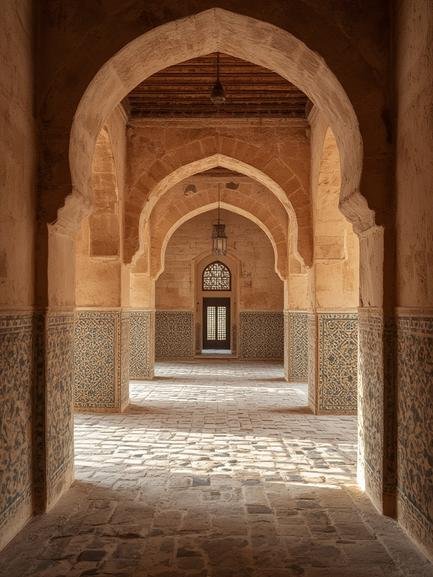
The Hassan Tower, an incomplete 12th-century minaret, provides a fascinating glimpse into the ambitions of Sultan Yacoub al-Mansour. Nearby lies the Mausoleum of Mohammed V, a masterpiece of modern Moroccan architecture with intricate zellige tilework, carved cedar ceilings, and marble columns.
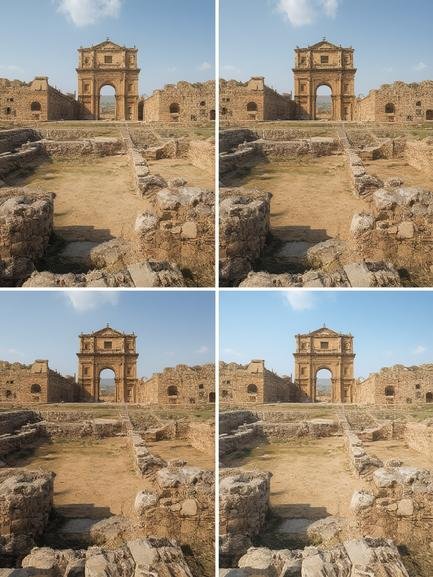
The ancient Roman site of Chellah combines Roman ruins with medieval Islamic architecture, creating a hauntingly beautiful setting where storks nest atop ancient columns. The Royal Palace, while closed to the public, impresses with its magnificent exterior gates and guards in traditional attire.
What makes these architectural wonders particularly appealing is that many can be viewed for free or for minimal entrance fees, making them perfect additions to any budget itinerary.
Best Time to Visit & Practical Information
For the optimal balance of pleasant weather and affordability, plan your Rabat budget trip during the shoulder seasons of April-May or September-October. During these months, you’ll enjoy mild temperatures (65-75°F/18-24°C) and avoid both the summer tourist crowds and winter rains.
Most historical sites open from 9:00 AM to 6:00 PM, with the last entry typically an hour before closing. Entrance fees are remarkably affordable:
– Kasbah of the Udayas: Free
– Chellah: 70 MAD (approximately $7)
– Hassan Tower and Mohammed V Mausoleum: Free
– Archaeological Museum: 10 MAD (approximately $1)
Public transportation in Rabat is efficient and inexpensive. The tram costs just 6 MAD (about $0.60) per trip, while petit taxis operate on meters with reasonable rates. For mosques, modest dress is required, though non-Muslims cannot enter most mosques except during specific cultural events.
Step-by-Step Exploration Guide
Day one of your Rabat budget trip should begin at the ancient Kasbah of the Udayas. Arrive early (around 9 AM) to beat the crowds and enjoy the spectacular views over the Atlantic Ocean and Bou Regreg River. Wander through the narrow blue and white streets, visit the Andalusian Gardens, and stop at Café Maure for mint tea (10 MAD).
Next, take a short walk to the medina. Unlike the overwhelming souks of other Moroccan cities, Rabat’s medina offers a more relaxed shopping experience where you can practice your bargaining skills without intense pressure. It’s perfect for Morocco budget travel as prices here tend to be lower than in tourist-heavy cities.
For the afternoon, head to the Hassan Tower and Mohammed V Mausoleum complex. Spend time exploring the unfinished minaret and the ornate mausoleum, where you can often witness the changing of the guard ceremony.
On day two, start at Chellah, the Roman ruins and medieval necropolis. Allow 1-2 hours to explore this atmospheric site where nature and history intertwine. Afterward, walk or take a cheap taxi to the Mohammed VI Museum of Contemporary Art (entry 40 MAD) to experience Morocco’s modern cultural scene.
End your exploration with a sunset stroll along the Rabat Beach (Plage de Rabat), completely free and offering beautiful views as the sun sets behind the Kasbah.
Nearby Attractions, Food & Accommodation
Budget travelers will find Salé, Rabat’s sister city across the river, worth exploring. Connected by tram, it offers authentic experiences with fewer tourists. Visit the Great Mosque of Salé and the Medersa (entry 10 MAD).
For affordable meals, try these budget-friendly options:
– Restaurant Dar El Medina: Traditional Moroccan tagines from 50 MAD
– Ty Potes: Delicious crepes and sandwiches from 25 MAD
– Street food in the medina: Hearty sandwiches for around 15-20 MAD
Budget accommodation options include:
– Hostels: Dorm beds from 100-150 MAD per night
– Riads: Private rooms from 250-400 MAD per night
– Budget hotels: Double rooms from 300-500 MAD per night
For a true budget experience, consider staying in Salé, where accommodation prices can be 30-40% lower than central Rabat.
Travel Tips & Common Mistakes to Avoid
When planning your budget trip to Rabat, avoid these common mistakes:
– Overlooking public transportation: The tram system is efficient and incredibly affordable
– Eating exclusively in tourist restaurants: Prices can be 3-4 times higher than local establishments
– Exchanging money at the airport: Rates are typically much less favorable than in the city
– Paying the first price offered in shops: Bargaining is expected in markets
– Visiting on Mondays: Many museums and sites are closed
Practical tips for budget travelers:
– Purchase a tram card for multiple rides at a discount
– Carry small change for taxis, as drivers rarely have change for large bills
– Look for “menu du jour” (daily menu) options in restaurants for the best value
– Visit the Hassan Tower area in the evening when it’s beautifully illuminated and free from tour groups
– Use free walking tour apps instead of paying for guided tours
Conclusion
A Rabat budget trip offers exceptional value for travelers seeking authentic Moroccan experiences without the high costs associated with more touristy destinations. The city’s blend of historical grandeur, seaside charm, and modern conveniences creates an ideal environment for budget-conscious explorers. With most major attractions either free or costing minimal entrance fees, affordable public transportation, and reasonably priced food options, Rabat stands out as one of Morocco’s best-value destinations. Whether you’re wandering through the picturesque Kasbah, marveling at the Hassan Tower, or sampling street food in the medina, your experience will be enriched by the knowledge that you’re enjoying the best of Morocco budget travel without compromise. Start planning your affordable Rabat adventure today and discover why this often-overlooked capital deserves a prominent place on your Moroccan itinerary.
FAQs
How many days do I need for a budget trip to Rabat?
Two to three days is ideal for exploring Rabat’s main attractions without rushing. This timeframe allows you to see all major sites while having time to wander and enjoy the atmosphere.
Is Rabat safe for solo travelers on a budget?
Yes, Rabat is generally considered one of the safest cities in Morocco. The presence of government institutions and diplomatic missions contributes to good security, making it comfortable for solo travelers, including women.
Can I visit Rabat’s mosques as a non-Muslim?
Most mosques in Rabat are closed to non-Muslims, with the exception of the Hassan II Mosque. However, you can admire the exteriors of all mosques and sometimes peek into courtyards.
What’s the cheapest way to get to Rabat from Casablanca Airport?
The most economical option is taking the train from Casablanca Airport directly to Rabat. Trains run regularly, cost about 70 MAD (approximately $7), and take around 1.5 hours.
Are credit cards widely accepted in Rabat?
While major hotels, restaurants, and larger shops accept credit cards, many smaller establishments, markets, and taxis operate on cash only. It’s advisable to carry sufficient dirham for daily expenses.