
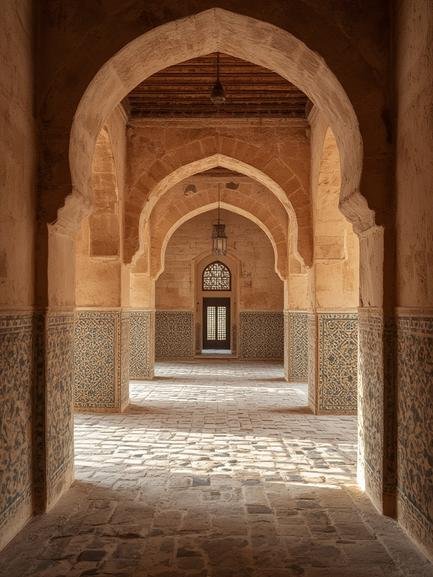


Have you ever dreamed of exploring Morocco’s elegant capital without breaking the bank? Rabat budget hotels offer travelers the perfect balance between comfort and affordability in this UNESCO-listed city. As Morocco’s political and cultural heart, Rabat seamlessly blends French colonial architecture with traditional Islamic design, creating a unique atmosphere for budget-conscious travelers. Unlike the tourist crowds of Marrakech, Rabat provides authentic experiences with significantly more affordable accommodation options.
History enthusiasts particularly appreciate the city’s proximity to historical landmarks in Rabat that showcase Morocco’s rich heritage, all accessible from centrally located budget-friendly hotels.
History & Cultural Background
Rabat’s journey from a small settlement to Morocco’s capital spans nearly nine centuries. Founded in the 12th century by Almohad ruler Abd al-Mu’min as a fortress (ribat) against the Spanish, the city served as a launching point for campaigns into Andalusia. The iconic Hassan Tower and incomplete mosque from this period remain testament to Almohad ambitions. After the dynasty’s fall, Rabat declined until the 17th century, when Andalusian refugees revitalized the city.
The modern era brought French colonization in 1912, designating Rabat as Morocco’s administrative capital. This period left an indelible mark on the cityscape, introducing wide boulevards and European-style buildings that now house many of the city’s budget accommodations. After independence in 1956, King Mohammed V maintained Rabat’s capital status, investing in infrastructure while preserving its historical character—a balance that continues to make it an attractive destination for budget travelers today.
Architectural Highlights & Key Features
The architectural landscape of Rabat presents a fascinating study in contrasts. The UNESCO-protected medina showcases traditional Moroccan architecture with its narrow streets, whitewashed buildings, and blue accents reminiscent of Chefchaouen. Many budget guesthouses here occupy renovated traditional homes with interior courtyards.
The Hassan Tower stands as an architectural masterpiece, though incomplete. Its 44-meter height represents only half of the original vision, with the earthquake of 1755 halting construction. Across the esplanade, the Mohammed V Mausoleum displays exquisite Moroccan craftsmanship with intricate zellige tilework and cedar wood carvings.
The Kasbah of the Udayas offers another architectural treasure, featuring Andalusian-inspired buildings, tranquil gardens, and stunning views across the Bou Regreg River. This area hosts several budget-friendly accommodations in renovated traditional homes. Unlike Fez’s overwhelming medina or Marrakech’s tourist-oriented riads, Rabat’s architectural gems maintain authenticity while being surrounded by affordable lodging options.
Best Time to Visit & Practical Information
For optimal weather and accommodation rates, visit Rabat between April and May or September and October. During these shoulder seasons, temperatures hover comfortably between 68 and 77°F (20-25°C), and budget hotels offer better rates than summer months when European tourists arrive in greater numbers.
Most historical sites operate from 9:00 AM to 5:00 PM, with the Hassan Tower complex and Kasbah being accessible until sunset. Entrance fees are modest: 70 MAD (approximately $7) for Chellah, 10 MAD ($1) for the Kasbah Museum, and free entry to the Hassan Tower esplanade.
From Rabat-Salé Airport, reach central budget accommodations via the airport shuttle (25 MAD/$2.50) or shared taxis (approximately 150 MAD/$15). Once in the city, the efficient tram system (6 MAD/$0.60 per journey) connects major attractions and hotel districts, making it convenient to stay in less expensive areas slightly outside the center.
Step-by-Step Exploration Guide
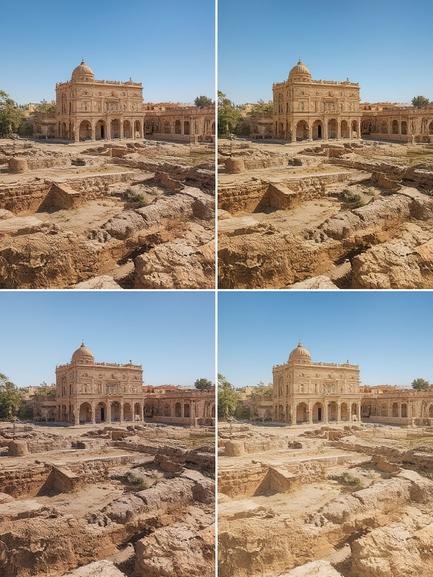
Day 1: Central Rabat and the Medina
1. Begin at the centrally located Hassan Tower (8:00 AM to avoid crowds) and the adjacent Mohammed V Mausoleum
2. Walk 15 minutes to the Medina, where many Rabat budget hotels are situated
3. Explore Rue Souika for local shopping and affordable street food
4. Visit the Andalusian Gardens in the afternoon when the light is perfect for photos
Day 2: Kasbah and Modern City
1. Start early at the Kasbah of the Udayas (9:00 AM)
2. Enjoy the views from the platform overlooking the Atlantic Ocean
3. Take a short walk along the beach promenade
4. Visit the Archaeological Museum to understand Rabat’s multicultural heritage
5. Explore Ville Nouvelle with its French colonial architecture, where several international budget hotel chains are located
Day 3: Surrounding Areas
1. Take a morning trip to Chellah Necropolis (10:00 AM when the storks are active)
2. Cross the river to explore Salé’s authentic medina and Grand Mosque
3. Return to Rabat for sunset views from the Kasbah Café, near several historical landmarks in Rabat
Nearby Attractions, Food & Accommodation
Within walking distance of most budget accommodations, don’t miss the Royal Palace (exterior only), the Parliament building, and the contemporary Mohammed VI Museum of Modern Art. For food, try the affordable tajines at Dinarjat near the medina (80-120 MAD/$8-12), or enjoy fresh seafood at modest prices in the Atlantic-facing restaurants.
Budget accommodations cluster in three main areas: the Medina (most authentic, with basic riads from 250 MAD/$25), the Hassan district (mid-range options from 350 MAD/$35), and the Agdal neighborhood (modern budget hotels from 300 MAD/$30). Particularly good value options include Riad Dar El Kebira, Hotel Terminus, and Ibis Rabat Agdal, all offering clean rooms within walking distance of major attractions.
Travel Tips & Common Mistakes to Avoid
1. Don’t book only in the Ville Nouvelle: While modern and comfortable, you’ll miss the authentic experience. Consider splitting your stay between a budget hotel there and a simple riad in the medina.
2. Avoid weekday visits to major monuments: Government workers flood cafés and restaurants during lunch hours. Visit key sites early morning or after 2:00 PM.
3. Don’t overlook Salé: Many travelers miss this authentic neighboring town, which offers even cheaper accommodation options with just a 15-minute tram ride to central Rabat.
4. Beware of “official guides”: Unauthorized guides often approach tourists near Hassan Tower. Use only guides with official badges or arrange tours through your hotel.
Conclusion
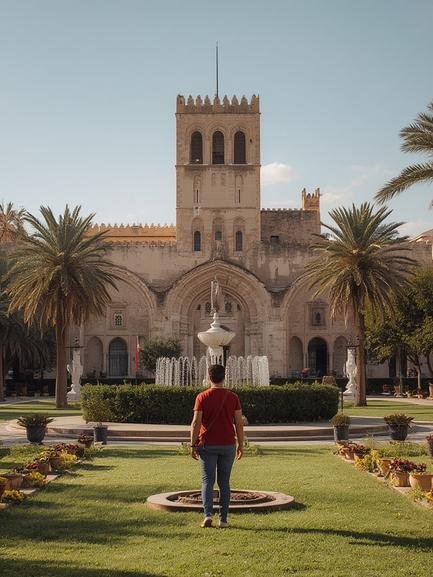
Rabat offers a refreshing alternative to Morocco’s more tourist-heavy destinations, with its blend of imperial grandeur, coastal charm, and authentic cultural experiences. The wide range of Rabat budget hotels makes this capital city surprisingly accessible to travelers watching their expenses without compromising on comfort or location. Whether you’re wandering through the blue-and-white Kasbah streets, standing in awe before the Hassan Tower, or sampling traditional cuisine in the medina, Rabat rewards visitors with genuine Moroccan experiences at a fraction of the cost found in Marrakech or Fez. Plan your visit to this underrated gem, where historical landmarks in Rabat await your discovery, and share your experiences to help fellow budget travelers uncover Morocco’s elegant capital.
FAQs
How many days do I need to explore Rabat properly?
Three days is ideal for seeing major attractions, though budget travelers can cover the highlights in two days by prioritizing the Kasbah, Hassan Tower complex, and medina.
Is Rabat safe for solo travelers staying in budget accommodations?
Yes, Rabat is considered one of Morocco’s safest cities, with lower tourist harassment levels than Marrakech or Fez. Even budget hotels typically have 24-hour reception and secure entrances.
Can I find vegetarian food options near budget hotels?
Absolutely. Many affordable restaurants offer vegetarian tagines, couscous dishes, and salads. Try Yamal Al Sham near the medina or Le Lotus Bleu in the Hassan district.
What’s the best way to travel between budget hotels and main attractions?
Rabat’s compact center makes walking ideal for most journeys. For longer distances, the clean and efficient tram system costs just 6 MAD (about $0.60) per journey with stops near most budget accommodation areas.