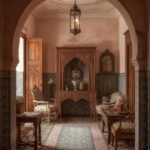
Welcome to one of the most vibrant and cosmopolitan areas of Morocco’s capital city. The Rabat Agdal neighborhood represents the perfect blend of modern amenities and traditional Moroccan charm. Located in the southern part of the city, this upscale district has become a favorite among locals, expatriates, and savvy travelers seeking an authentic yet comfortable experience.
With its tree-lined avenues, chic cafés, international restaurants, and proximity to major attractions in Rabat, it offers a refreshing perspective on urban life in Morocco. This comprehensive guide will take you through everything you need to know about this sophisticated neighborhood.
History & Cultural Background
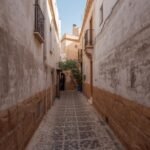
Unlike the ancient medina of Rabat, the Agdal district is relatively modern, with most of its development occurring during the French Protectorate period (1912-1956). The name “Agdal” comes from Berber origins, meaning “garden” or “enclosed space,” which reflects the area’s initial purpose as agricultural land.
During the 1950s and 1960s, following Morocco’s independence, Agdal underwent significant transformation as the country’s elite and growing middle class sought modern housing outside the traditional old city. The neighborhood was designed with European urban planning principles, featuring wide avenues and geometric street layouts.
By the 1980s and 1990s, Agdal had firmly established itself as one of Rabat’s most desirable addresses, attracting diplomatic missions, educational institutions, and upscale commercial establishments. Today, it represents the successful marriage of Morocco’s traditional values with its aspirations for modernity and international connectivity.
Architectural Highlights & Key Features
Modern Urban Design
Agdal stands apart from other Rabat neighborhoods through its distinct urban planning. The district features:
– Wide, tree-lined boulevards perfect for strolling
– Modern apartment buildings with Art Deco influences
– Contemporary commercial structures housing international brands
– Small parks and green spaces scattered throughout
Notable Buildings
– Mohammed V University: Founded in 1957, its modernist campus architecture reflects Morocco’s post-independence identity
– Bank Al-Maghrib Building: An impressive example of contemporary Moroccan architecture
– Hassan Tower View: From certain points in Agdal, you can glimpse the iconic Hassan Tower
– Agdal Train Station: A modern transportation hub connecting the neighborhood to other parts of the city and country
Commercial Areas
The neighborhood is known for its vibrant commercial streets, particularly Avenue Fal Ould Oumeir and Avenue de France, where you’ll find boutiques, banks, cafés, and restaurants housed in buildings that blend modern design with subtle Moroccan touches.
Best Time to Visit & Practical Information
Climate Considerations
– Spring (March-May): Perfect weather with temperatures between 65 and 75°F (18-24°C)
– Fall (September-November): Another ideal time with pleasant temperatures and fewer tourists
– Summer (June-August): Can be quite hot, with temperatures often exceeding 85°F (30°C)
– Winter (December-February): Mild but can be rainy, temperatures around 55-65°F (13-18°C)
Transportation Options
– Tram: The Rabat-Salé tramway passes through Agdal with several stops
– Taxis: Abundant “petit taxis” (blue in Rabat) operate on meters
– Car Rental: Possible but parking can be challenging during busy hours
– Walking: The neighborhood is pedestrian-friendly with good sidewalks
Safety & Practicalities
Agdal is considered one of Rabat’s safest neighborhoods, with good lighting at night and a visible police presence. Most establishments accept credit cards, and there are numerous ATMs available. The area has reliable cell service, and many cafés offer free WiFi.
Step-by-Step Exploration Guide
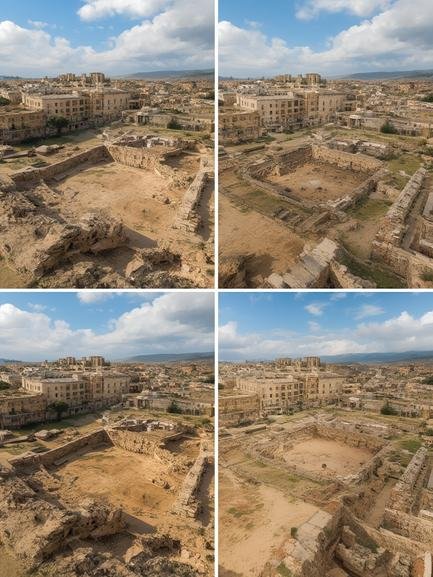
Morning: Cultural Start
1. Begin your day at Bibliothèque Nationale du Royaume du Maroc (National Library) on the edge of the Rabat Agdal neighborhood to appreciate modern Moroccan architecture and perhaps browse their exhibitions.
2. Walk along Avenue de France, observing the mix of architectural styles and stopping at a local café for a traditional Moroccan breakfast of msemen (square-shaped pancakes) and mint tea.
3. Visit the Mohammed V University campus to experience the educational heart of the district and enjoy its green spaces.
Afternoon: Shopping & Leisure
4. Head to Rue Fal Ould Oumeir for some of the best shopping in Agdal, where international brands mix with local boutiques.
5. Take a lunch break at one of the many restaurants offering everything from traditional Moroccan tagines to international cuisine.
6. Explore Jardin d’Essais Botaniques (Botanical Test Garden) on the neighborhood’s edge for a peaceful retreat among exotic plants and trees.
7. Visit the Ibn Sina Hospital area to see some of the neighborhood’s oldest buildings dating to the French protectorate era.
Evening: Dining & Nightlife
8. As the day cools, stroll along Avenue Michlifen to witness local life and perhaps join locals for a sunset coffee at one of the sidewalk cafés.
9. Enjoy dinner at an upscale restaurant—the area around Agdal Dining Street (informal name for a restaurant cluster) offers excellent attractions in Rabat for food lovers.
10. Finish your evening with a nightcap at one of Agdal’s trendy lounges or terrace bars for a taste of Rabat’s sophisticated nightlife.
Nearby Attractions, Food & Accommodation
Must-Visit Nearby Attractions
– Hassan Tower & Mausoleum of Mohammed V (10-minute drive)
– Rabat Medina & Kasbah of the Udayas (15-minute drive)
– Chellah Necropolis (5-minute drive)
– Royal Palace (adjacent to Agdal)
Where to Eat
Budget-Friendly Options:
– Café La Comédia—Popular for breakfast and light meals
– Yamal Acham – Excellent Syrian food at reasonable prices
Mid-Range Choices:
– Le Bistrot du Pietri—French-inspired cuisine
– La Brasserie de la Gare—Traditional Moroccan with modern touches
High-End Dining:
– Le Petit Rocher—Upscale French cuisine
– Dar Naji – Luxurious Moroccan dining experience
Accommodation Options
Budget:
– Hotel Splendid—Simple but clean accommodations
– Airbnb options—many apartments available for short-term rental
Mid-Range:
– Hotel Annakhil—A comfortable option with good amenities
– Rihab Hotel—Reliable service in a central location
Luxury:
– Hotel La Tour Hassan—Just outside Agdal but worth the short trip
– Sofitel Rabat Jardin des Roses—Five-star luxury near the Royal Palace
Travel Tips & Common Mistakes to Avoid
Pro Tips
– Unlike the medina, streets in Agdal follow a grid pattern, making navigation relatively straightforward
– Many businesses close during Friday afternoon prayers (roughly 12-2 PM)
– Restaurants typically open late for dinner, with locals rarely dining before 8 PM
– Learn basic French phrases as they’re more commonly understood than English in this area
– The dress code is more relaxed than in traditional areas, but modest attire is still appreciated
Common Mistakes
– Assuming everything is walkable: While Agdal itself is walkable, reaching other parts of Rabat may require transportation
– Missing the local experience: Don’t just stick to international chains; try local cafés and shops
– Overlooking security: Though safe, keep valuables secure as you would in any urban area
– Not bargaining appropriately: Unlike the medina, most shops in Agdal have fixed prices
– Ignoring prayer times: Be aware that some businesses may close briefly during prayer times
Conclusion
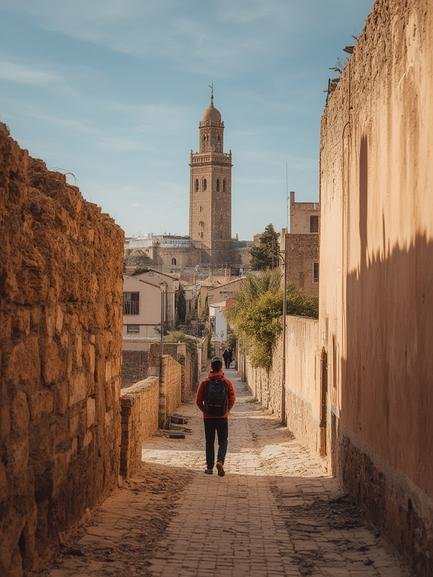
The Rabat Agdal neighborhood offers visitors a perfect balance between contemporary comforts and authentic Moroccan experiences. Its tree-lined streets, diverse dining scene, and proximity to major attractions in Rabat make it an ideal base for exploring Morocco’s capital city. Whether you’re sipping mint tea at a sidewalk café, shopping for designer goods, or simply watching the world go by, Agdal provides a glimpse into modern Morocco’s sophisticated urban lifestyle. As the country continues to evolve, this neighborhood stands as a testament to how tradition and progress can beautifully coexist. Plan your visit to Agdal today and discover why it has become a favorite among travelers seeking an authentic yet comfortable Moroccan experience.
FAQs
Is the Agdal neighborhood safe for tourists?
Yes, Agdal is considered one of the safest neighborhoods in Rabat, with good lighting, active street life, and a visible police presence. As in any urban area, normal precautions with valuables are advised.
How long should I spend exploring Agdal?
A full day is ideal to properly experience Agdal’s shopping, dining, and atmosphere. However, even a half-day visit will give you a good sense of this upscale district.
Do I need to speak Arabic to visit Agdal?
While Arabic is Morocco’s official language, French is widely spoken in Agdal. English proficiency varies but is more common in this cosmopolitan area than in other parts of Rabat, especially among younger residents and in establishments catering to tourists.
Can I take photographs freely in Agdal?
Generally yes, but use discretion when photographing people and always ask permission first. Avoid photographing government buildings or security personnel, which could lead to complications.
Is Agdal suitable for family visits?
Absolutely. The neighborhood’s clean streets, parks, and family-friendly restaurants make it welcoming for visitors with children. The pedestrian-friendly environment and abundance of ice cream shops and casual dining options are particularly appealing to families.