
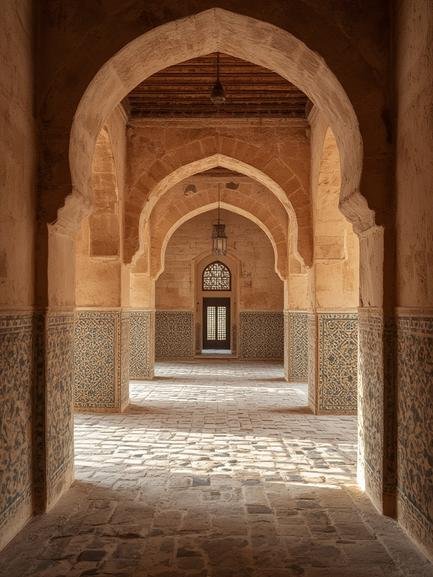


Stepping into Rabat Agdal Garden feels like discovering a secret oasis in the heart of Morocco’s capital. This verdant paradise, spanning approximately 400 hectares, sits adjacent to the royal palace, offering visitors a rare glimpse into the horticultural mastery of ancient Morocco. Dating back to the Almohad period in the 12th century, these gardens represent one of the oldest existing examples of traditional Islamic garden design in the world.
The garden’s name, “Agdal,” comes from Berber, meaning “walled garden,” reflecting its enclosed nature that has protected its botanical treasures for centuries.
History & Cultural Background
The gardens were originally commissioned around 1150 CE by Abd al-Mu’min, the first Almohad Caliph, as part of the imperial city complex. Unlike purely ornamental European gardens, Agdal was designed with both aesthetic and practical purposes in mind. The ingenious irrigation system, which continues to function today, represents one of the most sophisticated hydraulic networks of medieval times.
During the Almohad dynasty (12th-13th centuries), the gardens served as experimental agricultural grounds where exotic species were cultivated and agricultural techniques refined. The subsequent Merinid dynasty (13th-15th centuries) further expanded the gardens, while the Alaouite dynasty (17th century to present) has maintained and restored them throughout the centuries.
The gardens gained UNESCO World Heritage status in 2012 as part of the “Rabat, Modern Capital and Historic City: A Shared Heritage” listing, recognizing their historical significance and remarkable preservation.
Architectural Highlights & Key Features
The architectural brilliance of the gardens lies in their perfect harmony of functionality and beauty. The primary feature is the sophisticated irrigation system, centered around two large rectangular reservoirs (Sahraj al-Kabir and Sahraj as-Saghir) that collect rainwater and distribute it through a network of underground channels called “khettaras.”
Stone pathways divide the garden into rectangular plots, each dedicated to specific fruit varieties. Towering walls surround the entire complex, historically providing security but also creating a microclimate that protects delicate plants from harsh winds.
Notable structures include:
– The Dar al-Hana pavilion overlooking the large basin
– Ancient water wheels (norias) used to raise water
– Watchtowers at the corners of the garden
– Ornate gateways with traditional Moroccan craftsmanship
The botanical diversity is equally impressive, featuring:
– Olive groves, some trees dating back centuries
– Pomegranate orchards
– Fig plantations
– Citrus collections with rare varieties
– Date palms and other exotic fruit trees
Best Time to Visit & Practical Information
The ideal seasons to visit the Rabat Agdal Garden are spring (April-May), when the fruit trees blossom, and autumn (September-October), when temperatures are mild and fruits ripen. Early mornings (8-10 AM) offer the most pleasant temperatures and optimal lighting for photography.
Essential Information:
– Opening Hours: Limited public access; typically open on Fridays and Sundays from 10 AM to 5 PM (verify before visiting)
– Entry Fee: Free when open to the public
– Dress Code: Modest attire is recommended (shoulders and knees covered)
– Transportation: Accessible by taxi from central Rabat (approximately 20 MAD/$2)
– Guided Tours: Available through tour agencies in Rabat (recommended for historical context)
Note that the gardens sometimes close for royal events or maintenance without prior notice, so checking with your hotel or a local tourism office before your visit is advisable.
Step-by-Step Exploration Guide
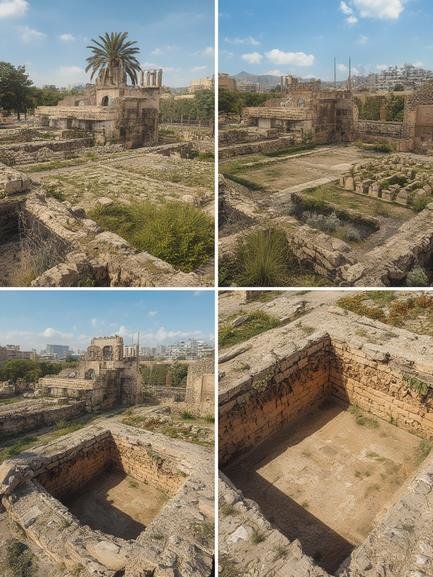
For the most rewarding experience at Rabat Agdal Garden, follow this exploration route to discover the essence of these historic grounds and appreciate the sophistication of traditional Islamic garden design:
1. Main Entrance (Bab Zaer)—Begin your journey through the southern entrance, where the grandeur of the royal gardens first reveals itself.
2. Grand Basin (Sahraj al-Kabir)—Walk 10 minutes north to reach the impressive water reservoir that serves as both a functional irrigation source and a reflection pool for the pavilion.
3. Dar al-Hana Pavilion—Spend 15-20 minutes at this royal pavilion overlooking the basin, historically used by the monarchy for ceremonies and to enjoy the garden views.
4. Olive Grove Path—Take the eastern path through ancient olive trees, some over 800 years old, for approximately 25 minutes.
5. Citrus Orchards—Continue northward to experience the fragrant citrus section, particularly beautiful in spring (allow 20 minutes).
6. Small Basin (Sahraj as-Saghir)—Walk westward to reach the second major water feature, less visited but equally fascinating (15 minutes).
7. Western Wall Walkway—Follow the path along the western wall for panoramic views of the entire garden complex and distant views of the royal palace (30 minutes).
Photography tip: The morning light creates magical effects on the water basins, while late afternoon offers golden hues on the ancient walls and fruit trees.
Nearby Attractions, Food & Accommodation
Within 2 km:
– Royal Palace of Rabat (exterior views only)
– Oudaias Kasbah with its picturesque blue and white streets
– Hassan Tower and Mohammed V Mausoleum
– Chellah, Roman ruins and royal necropolis
Recommended Restaurants:
– Upscale: Dar Naji (traditional Moroccan cuisine, 300-500 MAD per person)
– Mid-range: Le Dhow (riverside restaurant, 150-250 MAD per person)
– Budget-friendly: Café Maure in the Oudaias (mint tea and pastries, 50-100 MAD)
Accommodation Options:
– Luxury: Sofitel Rabat Jardin des Roses (1,500+ MAD/night)
– Mid-range: Riad Kalaa (800-1,200 MAD/night)
– Budget: Hotel Bouregreg (300-500 MAD/night)
– Hostel: Medina Hostel (100-150 MAD/night)
Travel Tips & Common Mistakes to Avoid
Essential Tips:
– Carry water, sun protection, and comfortable walking shoes
– Bring a hat and light scarf for sun protection
– Download an offline map as cell service can be spotty
– Consider hiring a knowledgeable local guide to appreciate the historical context
Common Mistakes to Avoid:
– Assuming the garden is always open (check access days in advance)
– Visiting midday during summer months (extreme heat)
– Not respecting restricted areas (some sections remain private royal grounds)
– Taking photos of security personnel or military facilities
– Expecting modern garden amenities like cafés or gift shops (none exist inside)
– Wearing inappropriate clothing (too revealing), which may limit your access
Conclusion
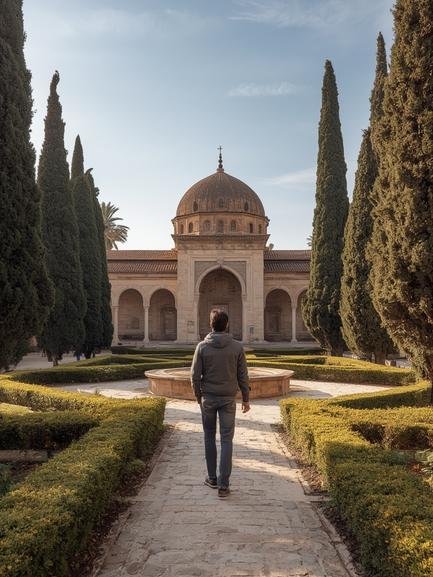
The Rabat Agdal Garden stands as a living testament to Morocco’s rich heritage, combining practical agriculture with sublime aesthetics in a way that few historic gardens worldwide can match. It represents not merely a green space but a sophisticated cultural landscape that has evolved over nearly nine centuries while maintaining its core Islamic garden design principles. Unlike more manicured tourist attractions, these gardens offer an authentic glimpse into the practical genius of historical Moroccan horticulture and water management.
When planning your Morocco itinerary, allow at least half a day to fully appreciate this verdant sanctuary. The tranquility and historical significance provide a perfect counterbalance to the bustling medinas and crowded tourist sites. Plan your visit with care, respect the cultural and royal significance of the space, and you’ll be rewarded with an experience that connects you to centuries of Moroccan ingenuity and natural beauty.
FAQs
Is Rabat Agdal Garden open every day?
No, the garden has limited public access; it is typically only open on Fridays and Sundays. Always verify opening days before your visit, as they may change due to royal activities or maintenance.
How long should I plan for visiting the gardens?
Allocate 2-3 hours minimum to properly explore the gardens. History enthusiasts may want to spend half a day, especially if accompanied by a knowledgeable guide.
Are guided tours available?
Official on-site guides are not always available, but many Rabat tour companies offer guided visits. Hiring a guide is recommended to understand the garden’s historical context and engineering achievements.
Can I take photographs in the gardens?
Photography for personal use is permitted in most areas, but avoid photographing security personnel, military facilities, or the royal palace. Professional photography may require permission.
Is the garden accessible for people with mobility challenges?
The gardens have gravel and stone pathways that can be challenging for wheelchair users or those with mobility limitations. Some areas feature uneven terrain, so comfortable, sturdy footwear is essential.