
Have you ever wondered where Morocco’s contemporary art scene truly comes alive? At the crossroads of tradition and modernity stands the Mohammed VI Museum Rabat, a cultural beacon that has transformed the artistic landscape of North Africa since its inauguration in 2014. This architectural masterpiece houses one of the most significant collections of modern and contemporary art in the region, making it an essential stop for anyone seeking to understand Morocco’s evolving cultural identity.
Whether you’re a seasoned art enthusiast or simply curious about Moroccan cultural heritage, this museum offers a captivating journey through the nation’s artistic evolution while showcasing works from both local and international artists.
History & Cultural Background
The Mohammed VI Museum, officially known as the Musée Mohammed VI d’Art Moderne et Contemporain, represents a milestone in Morocco’s cultural development. Inaugurated by King Mohammed VI in October 2014, it became the first major institution in Morocco entirely dedicated to modern and contemporary art. The museum emerged from the monarch’s vision to preserve and promote Moroccan artistic heritage while positioning Rabat as a cultural capital.
The establishment of this museum coincides with Morocco’s broader cultural renaissance, which began in the late 20th century and accelerated in the early 2000s. Its creation filled a significant gap in Morocco’s institutional landscape, as the country previously lacked a dedicated space for its modern artistic expressions despite its rich creative history. The museum chronicles Morocco’s artistic movements from the 1950s independence era through today’s contemporary scene, contextualizing them within international art trends.
Architectural Highlights & Key Features
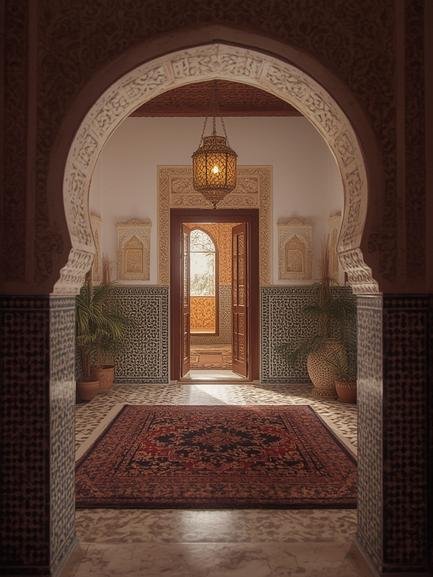
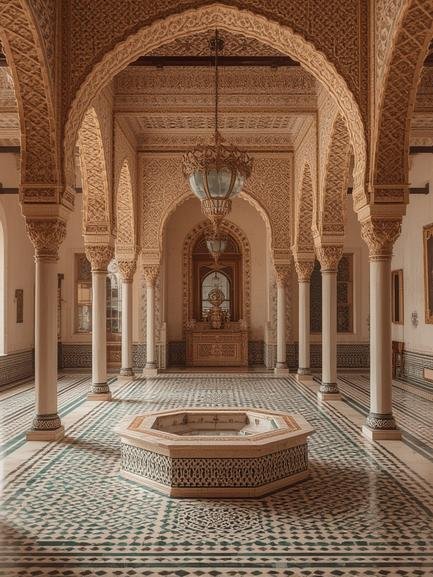
The museum’s architecture itself is a masterpiece that harmoniously blends traditional Moroccan elements with contemporary design. Designed by architect Karim Chakor, the 22,000-square-meter building features clean, geometric lines reminiscent of modernist architecture while incorporating traditional Moroccan motifs and spatial concepts.
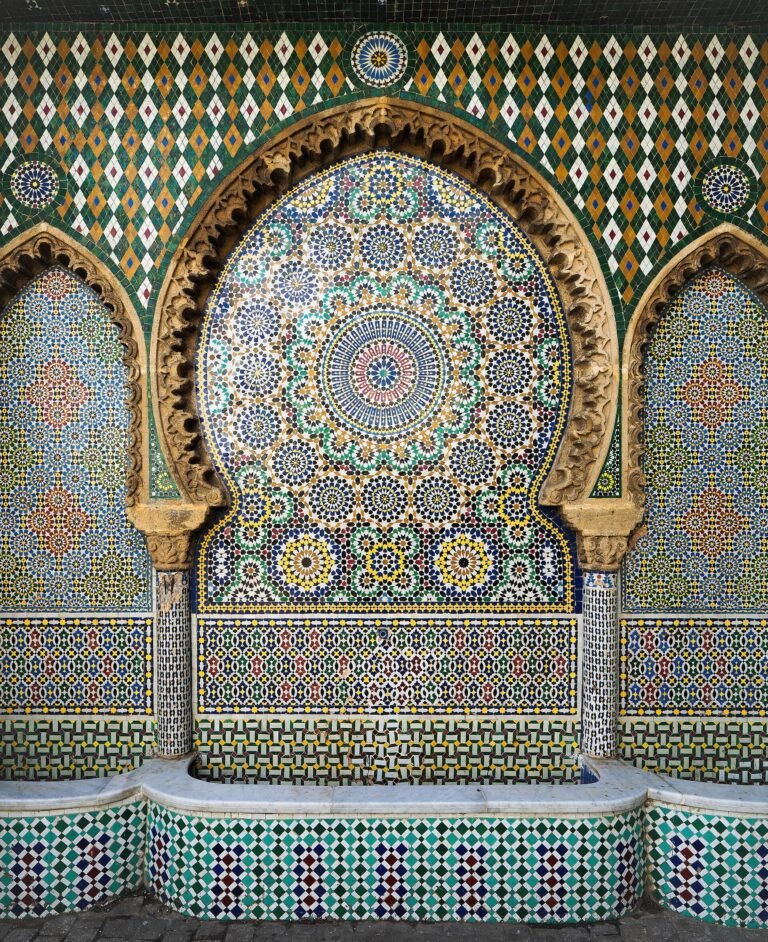
The façade showcases impressive white stone work with subtle geometric patterns that reference traditional zellij tilework. Inside, visitors encounter soaring ceilings and an ingenious natural lighting system that creates constantly shifting patterns throughout the day. The central atrium serves as the heart of the museum, with exhibition spaces radiating outward in a layout that encourages fluid movement between different artistic periods.
Unlike the more ornate Guggenheim Bilbao or the industrial-inspired Tate Modern in London, the Mohammed VI Museum achieves its distinctiveness through understated elegance and cultural context, creating a uniquely Moroccan interpretation of what a modern art museum can be.
Best Time to Visit & Practical Information
The ideal time to visit the Mohammed VI Museum is during spring (March-May) or fall (September-November) when Rabat enjoys pleasant temperatures. Winter visits are also comfortable, while summer can be quite warm. To avoid crowds, aim for weekday mornings, particularly Tuesday through Thursday.
The museum operates from 10 AM to 6 PM Tuesday through Sunday, remaining closed on Mondays. Admission costs 40 MAD (approximately $4 USD) for the permanent collection and may include additional fees for special exhibitions. Students and children under 12 receive discounted entry, while the first Friday of each month offers free admission to all.
The museum is easily accessible via Rabat’s efficient tram system (Hassan stop) or by taxi from anywhere in the city. For international visitors, it’s approximately 20 minutes by car from Rabat-Salé Airport.
Step-by-Step Exploration Guide
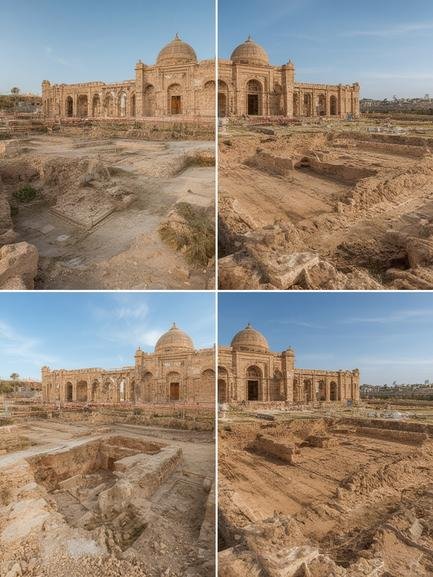
Begin your journey at the ground floor’s historical section, which traces Moroccan art from the independence era through the 1960s. Don’t miss Hassan El Glaoui’s vibrant equestrian paintings and Jilali Gharbaoui’s pioneering abstract works. Take advantage of the multimedia guides available at the entrance for deeper context about this formative period.
Next, ascend to the first floor to explore the transformative period of the 1970s-1990s. The room dedicated to Ahmed Cherkaoui’s work offers a fascinating glimpse into how traditional Amazigh symbols were reinterpreted through modernist sensibilities. Spend extra time with Farid Belkahia’s innovative leather works, which revolutionized material use in Moroccan art.
The second floor houses contemporary installations and international exhibitions. Here, the Mohammed VI Museum Rabat truly shines with its commitment to fostering dialogue between Moroccan and international artists. The rotating exhibitions frequently feature works engaging with themes of identity, migration, and globalization relevant to Morocco’s position between Africa, Europe, and the Middle East.
Conclude your visit in the museum’s peaceful garden gallery, where sculptural works are displayed among indigenous plants. This space exemplifies how Moroccan cultural heritage continues to evolve through contemporary artistic expressions.
Nearby Attractions, Food & Accommodation
After exploring the museum, head to the adjacent Udayas Kasbah, a 12th-century fortress with stunning ocean views and a picturesque Andalusian garden. The Hassan Tower and Mohammed V Mausoleum, only a 15-minute walk away, showcase classical Moroccan architectural grandeur.
For authentic dining, try Dar Naji near the museum for traditional Moroccan tagines and couscous (moderate prices), or splurge at Le Dhow, a restaurant on a wooden boat docked along the Bouregreg River offering spectacular views and fusion cuisine.
Accommodation options include the boutique Riad Kalaa in the medina ($$), the mid-range Hotel Rabat ($), or the luxurious Sofitel Jardin des Roses ($$$) with its spectacular gardens.
Travel Tips & Common Mistakes to Avoid
Many visitors make the mistake of rushing through the museum in an hour—allow at least 2-3 hours to fully appreciate the collections. Download the museum’s app before visiting for additional content and audio guides in multiple languages.
Photography is permitted in most areas (without flash), but always check signage for restricted sections, particularly during special exhibitions. Consider joining one of the free guided tours in French or Arabic offered on weekends; English tours require advance booking.
Avoid visiting during major holidays when the museum can become extremely crowded. Instead of attempting to see everything, focus on the excellent curation of Moroccan modernism, which represents the museum’s unique strength.
Conclusion
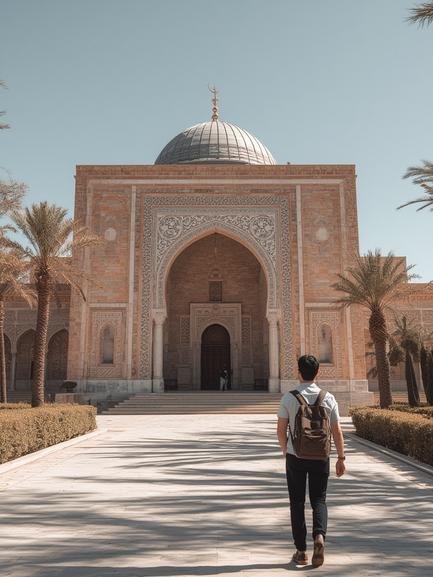
The Mohammed VI Museum Rabat stands as more than just an art institution—it represents Morocco’s dynamic cultural evolution and its dialogue between tradition and innovation. By showcasing how Moroccan artists have interpreted their heritage while engaging with global movements, the museum offers visitors an unparalleled window into the nation’s soul. Whether you’re fascinated by the distinctive aesthetics of North African modernism or simply seeking a deeper understanding of Moroccan cultural heritage, this architectural and artistic treasure deserves a prominent place in your Rabat itinerary. As you plan your Moroccan adventure, allow yourself the time to absorb this remarkable cultural achievement—and perhaps discover how contemporary art can bridge understanding between cultures in our interconnected world.
FAQs
How long should I plan to spend at the Mohammed VI Museum?
Most visitors spend 2-3 hours exploring the museum. Art enthusiasts may want to dedicate a half-day, especially if there’s a special exhibition running alongside the permanent collection.
Is the museum accessible for visitors with mobility limitations?
Yes, the museum is fully wheelchair accessible with elevators to all floors, accessible restrooms, and level entrances. Wheelchairs are available to borrow at the information desk.
Are there English translations for the artwork information?
Yes, most exhibit descriptions are provided in Arabic, French, and English. Audio guides are also available in multiple languages including English for a small additional fee.
Can I take a guided tour of the museum?
The museum offers guided tours in French and Arabic daily at 11 AM and 3 PM. English tours are available on weekends or by special arrangement when booked at least 48 hours in advance.
Is there a café or restaurant inside the museum?
Yes, there’s an elegant café on the ground floor serving Moroccan pastries, light meals, and beverages. It overlooks the museum’s sculpture garden, making it a perfect spot to reflect on your visit.