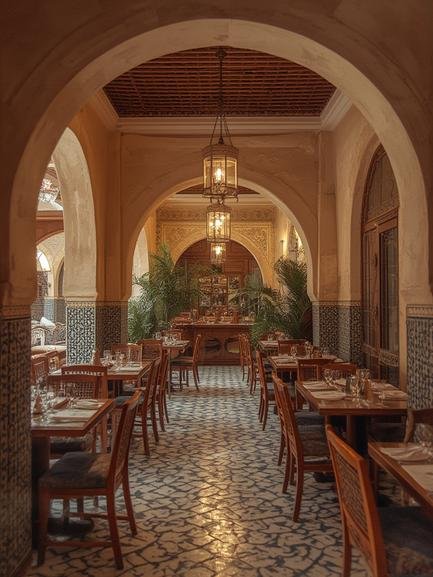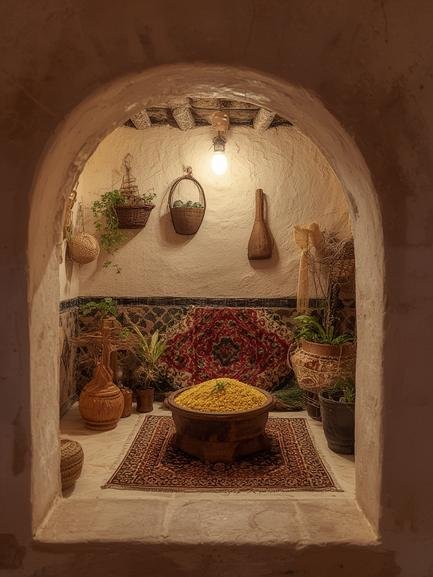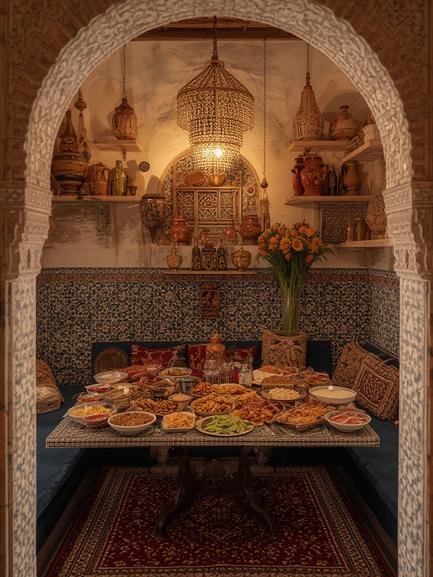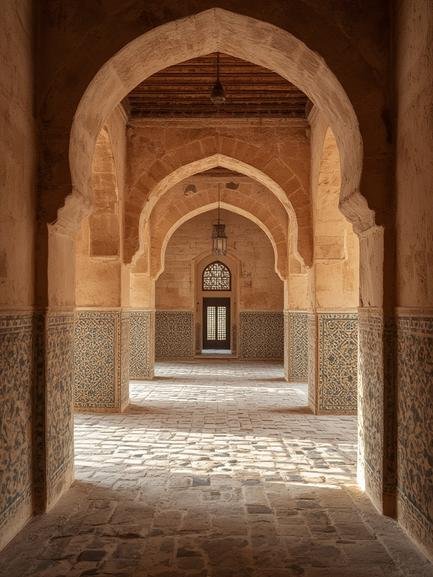


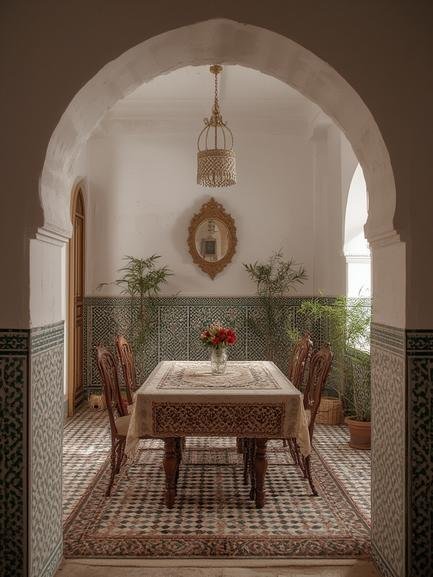

When exploring Morocco’s capital city, experiencing Pastilla in Rabat is an essential culinary adventure that no food lover should miss. This iconic dish represents the pinnacle of Moroccan cuisine, combining sweet and savory flavors in a delicate pastry that tells the story of the nation’s rich culinary heritage. While wandering through the ancient medina or dining in upscale restaurants, you’ll discover that Moroccan pastilla recipes vary slightly between regions, with Rabat offering its own distinctive take on this celebrated delicacy.
The capital city provides the perfect setting to savor this traditional dish while immersing yourself in the authentic atmosphere of Moroccan dining culture.
History & Cultural Background
Pastilla (also spelled bastilla or bestilla) originated in Andalusia and was brought to Morocco by Muslims and Jews who fled Spain following the Reconquista in the late 15th century. The dish evolved significantly in Fes, the cultural and culinary heart of Morocco, before spreading to other cities including Rabat. Traditionally prepared for weddings and special celebrations, pastilla was once made exclusively with pigeon, symbolizing luxury and abundance.
In Rabat, as the administrative capital since 1956, pastilla has taken on political significance as well. The dish is often served at official state dinners and diplomatic events, representing Morocco’s rich cultural heritage to foreign dignitaries. The royal kitchens of Rabat have maintained and refined the recipe over generations, contributing to its status as one of Morocco’s most prestigious dishes.
The cultural significance of pastilla extends beyond its ingredients—the preparation process reflects Morocco’s tradition of communal cooking, with family members often gathering to prepare the labor-intensive dish together for important occasions.
Architectural Highlights of Pastilla Preparation
Design and Structure
The architectural brilliance of pastilla lies in its distinctive layered construction. In Rabat’s version, thin sheets of warqa (similar to filo dough but more resilient) are carefully layered to create a crisp exterior that contrasts beautifully with the moist, flavorful filling inside. The traditional dome-shaped design features intricate patterns scored into the top layer before baking.
Key Features and Ingredients
Rabat’s pastilla typically features:
– A protein base (typically chicken or seafood in modern versions)
– Caramelized onions infused with saffron and ginger
– A mixture of fresh herbs including cilantro and parsley
– Toasted almonds sweetened with honey and cinnamon
– A distinctive egg mixture that binds the filling
– A finishing touch of powdered sugar and cinnamon arranged in geometric patterns
The juxtaposition of sweet and savory elements, combined with varying textures, makes pastilla a multi-sensory culinary experience that reflects the complexity of Moroccan cuisine.
Best Time to Visit & Practical Information
When to Experience Pastilla in Rabat
While pastilla is available year-round, the best time to experience this culinary delight in Rabat is during Ramadan (dates vary annually) when restaurants prepare their finest versions for iftar (breaking of the fast). Other optimal times include:
– Winter months (November-February) when cooler temperatures enhance the enjoyment of this warm, hearty dish
– During major festivals and holidays when special variants may be offered
– Weekend evenings when families gather and restaurants are most lively
Where to Find the Best Pastilla
For authentic pastilla experiences in Rabat, consider these venues:
– Dinarjat: Located in the medina, known for traditional pastilla in an atmospheric riad setting
– Le Ziryab: Upscale restaurant offering refined versions with panoramic views
– Dar Naji: Popular for their consistently excellent traditional recipes
– Street food vendors in Rabat’s Old Medina (for a more casual, affordable option)
Expect to pay between 60-150 MAD ($6-15 USD) depending on the venue and ingredients, with seafood variations typically commanding higher prices than chicken.
Step-by-Step Exploration Guide
Morning: Culinary Workshop Experience
Start your Pastilla in Rabat exploration with a morning cooking class at Riad Kalaa or Dar Rbatia, where you’ll learn the intricate process of creating this iconic dish. These workshops typically include:
1. Market visit to select fresh ingredients
2. Demonstration of warqa dough preparation
3. Hands-on experience with filling preparation
4. Assembly techniques and decorative finishing
Afternoon: Tasting Tour
Follow a guided route through Rabat’s culinary hotspots:
1. Begin at Café Clock for a modern interpretation of pastilla
2. Visit Samra Pâtisserie to see sweet variants of the dish
3. Stop at Restaurant Dar El Medina for a classic chicken pastilla
4. Try the seafood pastilla at Le Dhow, the boat restaurant on the Bouregreg River
Many visitors appreciate comparing different versions of Moroccan pastilla recipes to understand regional variations and chef-specific interpretations.
Evening: Fine Dining Experience
Complete your pastilla journey with dinner at one of Rabat’s fine dining establishments:
1. La Maison du Gourmet for pastilla in an elegant setting
2. Restaurant Dinarjat for traditional ambiance with live music
3. Le Petit Beur for family-style dining with generous portions
Nearby Attractions, Food & Accommodation
Complementary Attractions
After enjoying pastilla, explore these nearby sites:
– Kasbah of the Udayas (10-minute walk from most medina restaurants)
– Hassan Tower and Mohammed V Mausoleum
– Chellah Necropolis
– The Royal Palace (exterior only)
– Rabat Archaeological Museum
Where to Stay
For convenient access to the best pastilla experiences:
Luxury:
– Sofitel Rabat Jardin des Roses
– Villa Mandarine
Mid-range:
– Riad Kalaa
– Dar El Kebira
Budget-friendly:
– Riad Marhaba
– Hotel de Paris
Travel Tips & Common Mistakes to Avoid
Do’s and Don’ts
Do:
– Reserve tables at popular restaurants, especially during high season
– Try different variations of pastilla (chicken, seafood, and even dessert versions)
– Eat pastilla with your right hand if dining traditionally
– Appreciate the sweet-savory contrast that defines the dish
– Ask about ingredients if you have dietary restrictions
Don’t:
– Expect pastilla to arrive quickly—proper preparation takes time
– Confuse pastilla with regular phyllo-based pastries
– Miss the opportunity to try homemade versions if invited to a local home
– Fill up on bread before your pastilla arrives
– Rush through the experience—pastilla is meant to be savored slowly
Practical Tips
– Budget around 3-4 hours for a cooking class experience
– Carry wet wipes as eating traditional pastilla can be a messy affair
– Pastilla pairs wonderfully with Moroccan mint tea
– Consider sharing a pastilla if dining solo, as portions are typically generous
– Photography is generally welcomed in restaurants but ask permission first
Conclusion
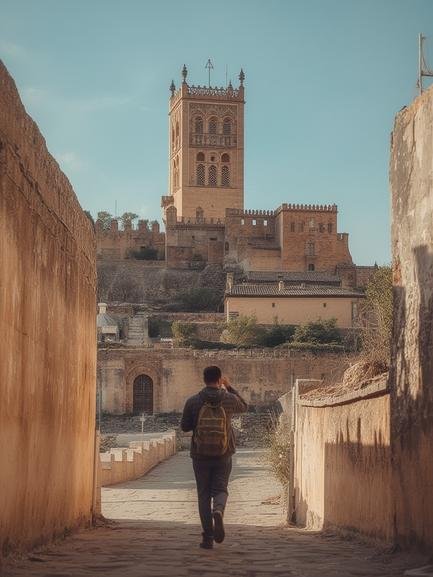
Pastilla in Rabat represents more than just a meal—it’s a journey through Morocco’s complex history, cultural influences, and culinary artistry. The capital city offers an ideal setting to experience this iconic dish, with options ranging from street food simplicity to royal dining elegance. Whether you’re savoring the traditional chicken variety or exploring innovative seafood interpretations, understanding the cultural significance enhances the experience immensely. As you explore Moroccan pastilla recipes in their authentic setting, you’ll gain insight into the soul of Moroccan hospitality and craftsmanship. Don’t leave Rabat without experiencing this culinary masterpiece at least once—and consider bringing home the techniques to recreate the magic in your own kitchen. Plan your visit to include a pastilla experience, and discover why this dish remains a treasured aspect of Morocco’s gastronomic heritage.
FAQs
How much time should I allow for a pastilla dining experience?
Allow 1.5-2 hours for a proper dining experience, as pastilla is typically served as part of a larger meal and prepared fresh to order.
Is pastilla suitable for vegetarians?
While traditional pastilla contains meat, many Rabat restaurants now offer vegetarian versions filled with mushrooms, vegetables, or legumes. Always specify your dietary requirements when ordering.
What’s the best way to eat pastilla?
Pastilla is typically eaten with the right hand in traditional settings, breaking off pieces from the edge. In upscale restaurants, cutlery is provided and acceptable to use.
Can I take a cooking class to learn how to make pastilla?
Yes, several riads and cooking schools in Rabat offer pastilla-making workshops, including Dar Rbatia and Riad Kalaa. Most classes run 3-4 hours and include ingredient shopping.
What beverages pair well with pastilla?
Traditional Moroccan mint tea complements the sweet-savory balance of pastilla perfectly. For wine pairings, ask for local Moroccan white wines such as Volubilia Blanc or Domaine de Sahari.