
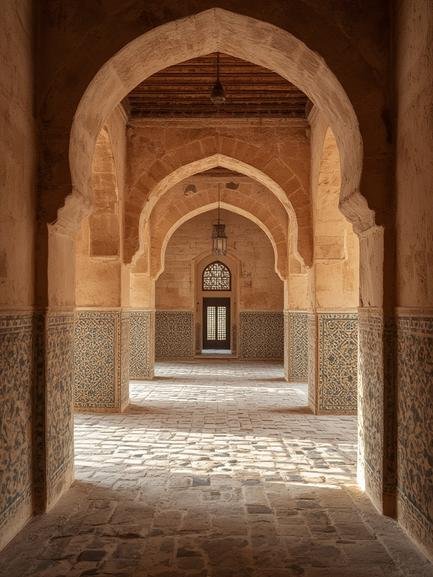


Moroccan olives represent the heart and soul of North African cuisine, offering a rainbow of colors, flavors, and textures that tell the story of this vibrant country. These culinary treasures line market stalls in dazzling displays that range from deep purple to bright emerald green, each variety carrying its own unique character. Exploring the world of Moroccan olives means delving into centuries-old traditions where these fruits are lovingly cultivated, cured, and seasoned with Moroccan spices that transform them into edible works of art.
From the bustling souks of Marrakech to the peaceful olive groves of the Atlas Mountains, these humble fruits are fundamental ingredients that appear at almost every meal. They’re served as appetizers, incorporated into tagines, or pressed into some of the world’s finest olive oils. The story of Moroccan olives is inseparable from the story of Morocco itself, reflecting the country’s diverse landscapes and cultural influences across centuries.
## History & Cultural Background

Olive cultivation in Morocco dates back over 2,500 years, first introduced by Phoenician traders who recognized the ideal growing conditions of the region. The Romans later expanded olive production significantly, establishing sophisticated pressing techniques and trading networks. Today, Morocco ranks among the world’s top olive producers, with ancient groves still thriving alongside modern farming operations.
In Moroccan culture, the olive tree symbolizes blessing, abundance, and peace. Families often gather for the annual olive harvest, a tradition that strengthens community bonds and passes knowledge between generations. The cultivation and preparation of Moroccan olives involves techniques preserved through centuries, with each region maintaining distinctive curing and flavoring methods that reflect local tastes and available Moroccan spices.
## Varieties & Key Features
The diversity of Moroccan olives is astonishing, with each region producing varieties adapted to local growing conditions. In the northern Rif Mountains, you’ll find the prized Picholine Marocaine, a green olive with a crisp texture and subtle flavor. The Fez region is known for its salt-cured black olives, intensely flavored and often seasoned with herbs.
Key varieties you’ll encounter include:
– Beldi olives—Small, wrinkled black olives with intense flavor, often cured with salt and preserved lemons
– Picholine Marocaine—Bright green olives with a crisp bite and mild flavor, sometimes cured with citrus
– Meslala olives—Purple-black olives from the south, typically oil-cured and seasoned with cumin and Moroccan spices
## Best Time to Visit & Practical Information
The olive harvest season runs from October through January, making autumn an ideal time to witness the olive-gathering process firsthand. Many farms and cooperatives welcome visitors during this period, offering demonstrations of traditional harvesting techniques and oil pressing. Spring visits (April-May) provide beautiful views of olive groves with trees in bloom against green landscapes.
Most olive markets operate year-round, with the most vibrant selections found in major cities like Marrakech, Fez, and Meknes. The best markets open early (around 7 AM) when products are freshest and close by mid-afternoon. Prices are remarkably affordable—expect to pay between 10 and 30 dirhams (approximately $1-3 USD) per kilogram depending on variety and quality.
## Step-by-Step Exploration Guide
To fully appreciate Moroccan olives, follow this tasting journey through Morocco’s olive treasures:
1. Begin in Meknes, considered Morocco’s olive capital, where vast groves stretch across the landscape and traditional markets offer numerous varieties to sample. Look for olives cured with preserved lemon and flavored with Moroccan spices like cumin and paprika for an authentic experience.
2. Visit an olive cooperative in the Ouazzane region, where women’s cooperatives have revitalized traditional processing methods. Many offer tours where you can observe the meticulous hand-sorting process and traditional stone pressing techniques that create Morocco’s liquid gold—olive oil.
3. Explore Marrakech’s olive souks, particularly in the Mellah district, where vendors display pyramids of olives in every imaginable color. Don’t miss the opportunity to try zaalouk, a smoky eggplant dip garnished with Moroccan olives and served with warm bread.
## Culinary Uses & Traditions
In Moroccan homes, olives are never mere garnishes but essential components of daily meals. Breakfast often includes olive oil drizzled over fresh bread, while lunch and dinner feature olives as both ingredients and accompaniments. The famous chicken tagine with preserved lemons relies on briny Moroccan olives to balance the dish’s complex flavors.
Traditional olive preparation involves careful curing to remove bitterness, followed by seasoning with distinctive combinations of Moroccan spices, herbs, and citruses. Families often prepare their annual olive supply during harvest season, storing them in earthenware containers where the flavors develop and intensify over months. This preservation practice has sustained communities through lean times for generations.
## Travel Tips & Common Mistakes
– Avoid purchasing olives from unrefrigerated displays that sit in direct sunlight, as this can affect both flavor and food safety. Instead, look for vendors who keep their products properly stored and covered.
– Don’t miss regional specialties by sticking only to familiar varieties—local olives often offer the most authentic flavors particular to each area of Morocco.
– Bring a small container if planning to purchase olives at markets for immediate snacking, as vendors may not provide suitable packaging for small quantities.
– Ask before photographing market displays, as some vendors prefer you purchase something before taking pictures of their carefully arranged goods.
## Conclusion
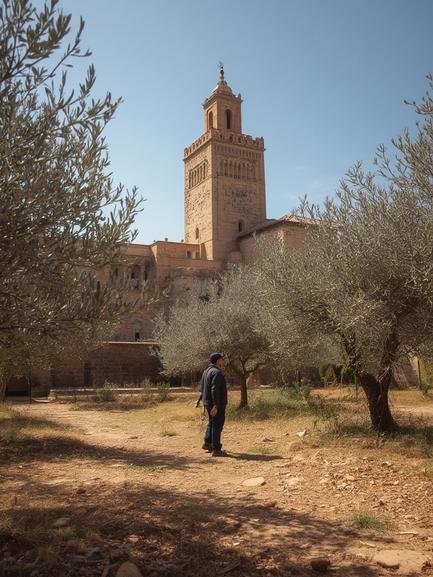
Moroccan olives are far more than a food item—they’re cultural ambassadors that connect visitors to centuries of tradition and craftsmanship. Each olive tells the story of the soil where it grew, the hands that harvested it, and the Moroccan spices that transformed it from bitter fruit to culinary delight. These humble treasures represent Morocco’s agricultural heritage and its continuing commitment to preserving artisanal food traditions.
When you return home, bring back some vacuum-sealed Moroccan olives to extend your journey through taste. Better yet, plan your next visit during olive harvest season to experience the celebration firsthand. The olive traditions of Morocco offer one of the most accessible ways to connect with local culture—one delicious bite at a time.
## FAQs
Q: What makes Moroccan olives different from other Mediterranean varieties?
A: Moroccan olives are distinguished by their unique curing methods that often incorporate preserved lemons, harissa, and regional herb blends not found elsewhere. The country’s diverse growing regions also produce distinctive varieties adapted to local conditions, creating flavor profiles unique to Morocco.
Q: Can I bring Moroccan olives back to my home country?
A: Many countries permit vacuum-sealed olives in your checked luggage, but restrictions vary. Vacuum-packed or canned olives from reputable shops are your safest option, while loose olives might be confiscated at customs in countries with strict agricultural import laws.
Q: What are the health benefits of Moroccan olives?
A: Moroccan olives are rich in heart-healthy monounsaturated fats, antioxidants, and vitamin E. Traditional curing methods often preserve more nutrients than industrial processes, while the addition of medicinal herbs like thyme and oregano enhances their health properties.