

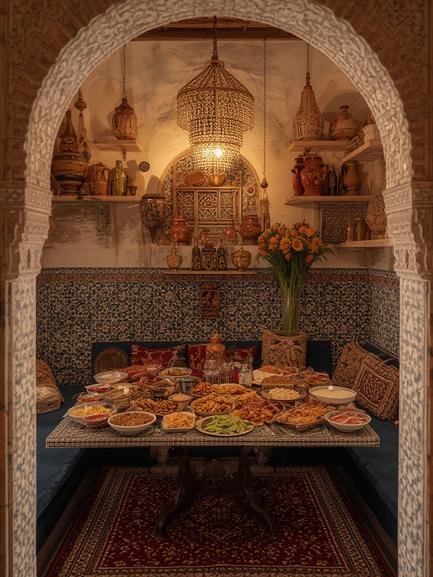

Morocco’s capital city is a treasure trove of gastronomic delights waiting to be discovered by food enthusiasts and cultural explorers alike. Moroccan food Rabat represents a perfect blend of Berber, Arab, Andalusian, and Mediterranean influences that have evolved over centuries. The city offers an authentic taste of the kingdom’s culinary heritage without the tourist crowds found in Marrakech. Visitors can indulge in traditional Moroccan cuisine while exploring Rabat’s historical landmarks and coastal charm.
From street food vendors to high-end restaurants, the capital provides numerous opportunities to sample the country’s most beloved dishes.
History & Cultural Background
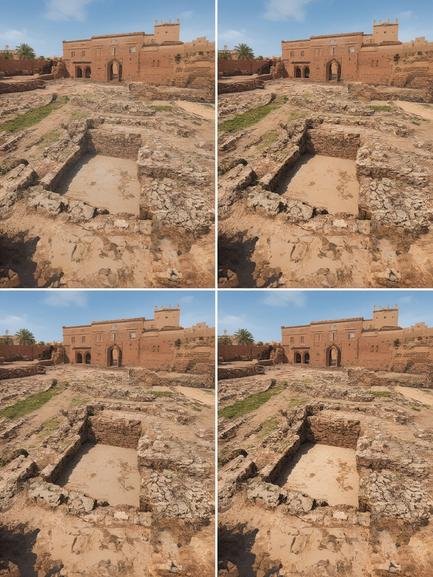
Rabat’s culinary scene reflects its rich historical heritage dating back to the 12th century. When the Almohad dynasty established the city as a fortified military camp, they brought with them cooking techniques and spices from various regions. Over time, the capital’s cuisine evolved as it absorbed influences from Andalusian refugees in the 15th century, Ottoman traditions, and French colonial impact.
The cultural significance of food in Rabat goes beyond mere sustenance—it represents hospitality, family connections, and celebration. Traditional meals are communal affairs, with dishes typically served in large, shared plates encouraging conversation and togetherness. Each major holiday features specific culinary traditions, such as the elaborate preparations for Ramadan iftars (breaking of the fast) or the festive dishes prepared for Eid celebrations.
Royal Moroccan cuisine, developed in the palaces of Rabat, has influenced many of the refined dishes you’ll find in the city today. This aristocratic tradition emphasizes delicate flavors, artistic presentation, and the mastery of complex cooking techniques.
Architectural Highlights of Culinary Venues
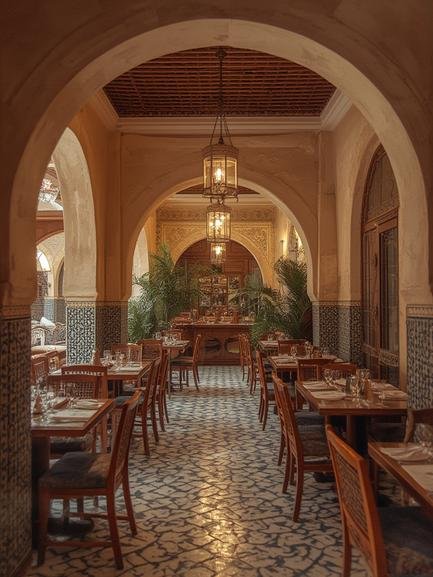
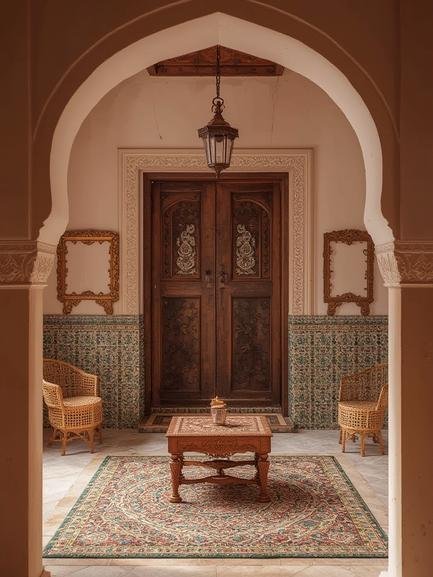
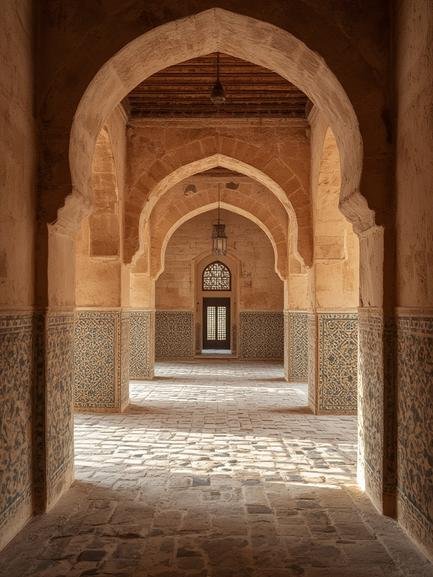
Rabat’s food establishments showcase distinctive architectural elements that enhance the dining experience. Traditional restaurants often feature intricate zellige (mosaic tile work), carved cedar wood ceilings, and colorful stained glass windows. Many are housed in restored riads—traditional Moroccan houses with interior courtyards where diners enjoy meals amidst the gentle sounds of fountains.
The city’s markets (souks) display a functional architecture designed to preserve freshness—covered walkways provide shade for produce, while specialized sections for spices, meats, and seafood create an organized culinary landscape. Modern establishments often blend traditional Moroccan elements with contemporary design, using traditional materials like tadelakt (polished plaster) alongside sleek furnishings.
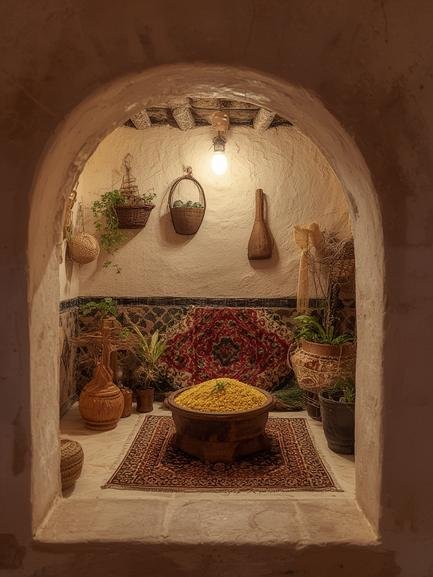
Street food vendors operate from distinctive carts and stalls, some unchanged in design for generations. The communal bread ovens (farrans) represent another architectural feature central to Rabat’s food culture, with their distinctive domed structures serving as neighborhood gathering points.
Best Time to Visit & Practical Information
The ideal seasons to explore Rabat’s food scene are spring (April-May) and fall (September-October) when temperatures are pleasant for walking between culinary destinations. Summer can be hot but offers the advantage of abundant seasonal fruits and coastal seafood specialties.
Most restaurants serve lunch from 12:00-3:00 PM and dinner from 7:00-10:30 PM. Traditional eateries may close briefly in the afternoon. Food markets are busiest and most vibrant in the morning hours (7:00-11:00 AM).
Budget-conscious travelers can enjoy street food for 10-30 dirhams per item, mid-range restaurants charge approximately 70-150 dirhams per person, while high-end dining experiences start at 250 dirhams.
No strict dress code applies for most eateries, but modest attire is appreciated in traditional establishments. For transportation, small blue petit taxis provide convenient access to culinary destinations throughout the city.
Step-by-Step Exploration Guide
Begin your culinary journey in the medina (old city), where the heart of Moroccan food Rabat beats strongest. Start at Rue Souika, where morning food vendors offer beghrir (Moroccan pancakes) and msemen (square-shaped, flaky flatbread) with honey or amlou (almond paste). Continue to the central market to observe locals selecting fresh ingredients for traditional Moroccan cuisine.
For mid-morning refreshments, visit Café Maure at the Kasbah des Oudaias for mint tea and Moroccan pastries with stunning views over the Bou Regreg river. By lunchtime, head to Restaurant Dinarjat in the medina for authentic tagines—slow-cooked stews named after the conical earthenware pots they’re prepared in.
In the afternoon, explore the spice markets near Bab El Had, where vendors can explain the components of the essential Moroccan spice blend ras el hanout. Consider joining a cooking class at Riad Kalaa or Clock Kitchen, where you’ll learn to prepare dishes like pastilla (savory-sweet pastry) or harira (traditional soup).
For dinner, visit upscale Dar Naji in the Agdal neighborhood for their renowned mechoui (slow-roasted lamb) or Le Dhow, a restaurant on a boat offering fusion Moroccan-Mediterranean cuisine with waterfront ambiance.
End your evening with a stop at Gelateria Dolce Freddo for dessert, where traditional Moroccan flavors like orange blossom and date are transformed into gelato.
Nearby Attractions, Food & Accommodation
While exploring Rabat’s culinary scene, you’ll find plenty of cultural attractions worth visiting. The Hassan Tower and Mausoleum of Mohammed V offer architectural splendor within walking distance of several excellent restaurants. After visiting these landmarks, stop at Café La Renaissance for pastries and people-watching.
The Chellah necropolis provides a peaceful retreat from the city bustle, and nearby El Bahia offers excellent seafood dishes. The Andalusian Gardens in the Kasbah district pair beautifully with a meal at Le Ziryab, known for its refined takes on traditional dishes.
For accommodation, budget travelers can consider Riad Marhaba in the medina with easy access to street food options. Mid-range visitors might enjoy Hotel Belere with its central location near Restaurant Al Warda. Luxury seekers should consider Sofitel Rabat Jardin des Roses, home to acclaimed restaurant Al Warda serving elegant Moroccan cuisine.
Travel Tips & Common Mistakes to Avoid
Common Mistakes:
– Eating only at tourist restaurants and missing authentic local establishments
– Not understanding the communal nature of Moroccan meals
– Overlooking street food due to unfamiliarity
– Rushing through meals instead of embracing the leisurely Moroccan dining pace
– Being unprepared for the sweet-savory flavor combinations in many dishes
Practical Tips:
– Learn basic Arabic food terms like “shukran” (thank you) and “bssaha” (enjoy/bon appétit)
– Eat with your right hand only when sharing communal dishes
– Be prepared to use bread as your utensil for many traditional meals
– Visit a hammam (traditional bath) before a special meal for the full cultural experience
– Schedule lunch as your main meal of the day, as Moroccans often do
– Ask locals for recommendations—they’re usually delighted to share their favorite food spots
Conclusion
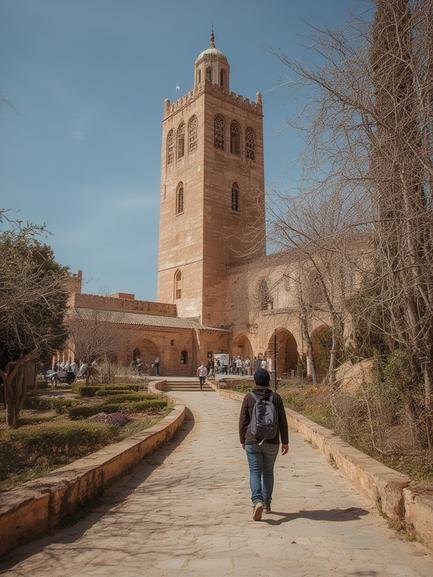
The diverse and flavorful world of Moroccan food Rabat offers visitors an unforgettable culinary adventure that engages all the senses. From aromatic spices and hearty tagines to delicate pastries and refreshing mint tea, the capital’s gastronomic offerings provide a window into Morocco’s rich cultural heritage and hospitable spirit. Each meal tells a story of historical influences, seasonal celebrations, and family traditions that have been preserved through generations. Whether you’re sampling street food in the bustling medina or enjoying a refined dinner in a restored riad, the city’s culinary landscape rewards exploration and curiosity. Don’t miss the opportunity to take cooking skills home with you by joining a class to master the techniques behind traditional Moroccan cuisine. Plan your visit to Rabat with food as your guide, and you’ll discover not just delicious meals but also the heart of Moroccan culture.
FAQs
How many days do I need to properly explore Rabat’s food scene?
A minimum of three days allows you to sample a good variety of Moroccan dishes in different settings, from street food to fine dining, while also participating in a cooking class.
Is it safe to eat street food in Rabat?
Yes, street food is generally safe, especially at busy stalls with high turnover. Look for vendors popular with locals and where food is cooked fresh in front of you.
Do I need to tip in Moroccan restaurants?
Tipping is customary but not mandatory. Around 10% is appreciated in restaurants, while a few dirhams are suitable for casual eateries and street food vendors.
Are there vegetarian options in traditional Moroccan cuisine?
Yes, many traditional dishes are naturally vegetarian, including zaalouk (eggplant salad), taktouka (pepper and tomato salad), and vegetable tagines. Just confirm no meat stock is used.
What’s the etiquette for drinking alcohol with meals in Rabat?
While Morocco is a Muslim country, alcohol is available in many tourist-oriented and upscale restaurants. However, it’s respectful to be discrete about alcohol consumption, particularly during Ramadan.