



Moroccan coffee Rabat culture offers a mesmerizing blend of tradition, aroma, and social ritual in Morocco’s charming capital city. The coffee scene here represents centuries of cultural fusion, combining Arabic, French, and indigenous Amazigh influences. When exploring the historic streets of Rabat, you’ll discover cafés serving everything from traditional spiced coffees to modern interpretations.
Experiencing Moroccan coffee Rabat means immersing yourself in a sensory adventure where Moroccan spices like cardamom, cinnamon, and nutmeg transform ordinary coffee into extraordinary brews. Each cup tells a story of Rabat’s rich cultural tapestry, where coffee isn’t just a beverage but a cornerstone of social life and hospitality. From bustling medina cafés to elegant establishments in Ville Nouvelle, coffee connects people across all walks of life.
History & Cultural Background
Coffee arrived in Morocco around the 16th century through trade routes connecting North Africa with Yemen and Ethiopia. In Rabat, coffee culture flourished during the French Protectorate period (1912-1956), when European café traditions merged with local customs. This fusion created the unique coffee experience visitors can still enjoy today in the capital.
Coffee in Rabat transcends mere consumption – it represents a social institution central to Moroccan daily life. Traditional coffee houses called “kahwas” have historically functioned as meeting places where politics, poetry, and business were discussed among friends and colleagues.
Even today, the invitation “let’s have coffee” extends far beyond the beverage itself, signifying dedicated time for connection and conversation.
Architectural Highlights & Key Features
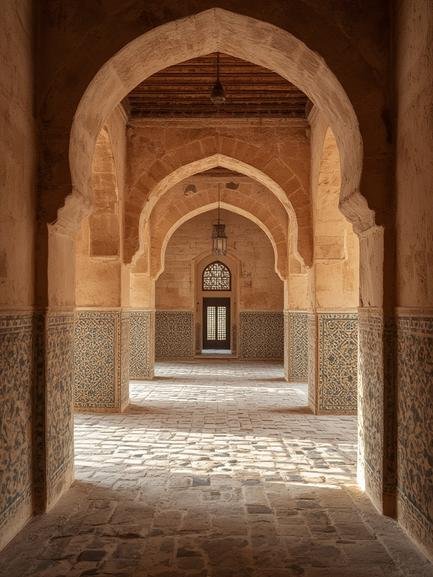
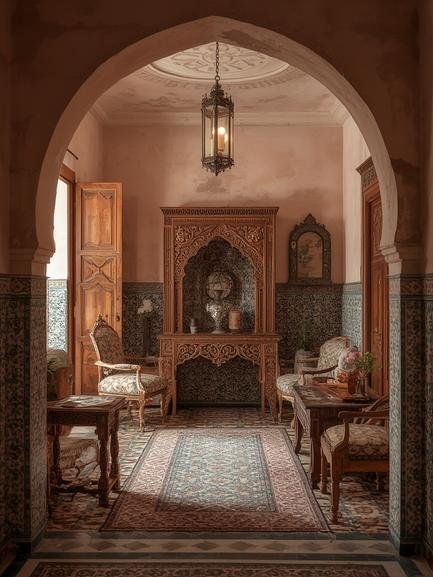
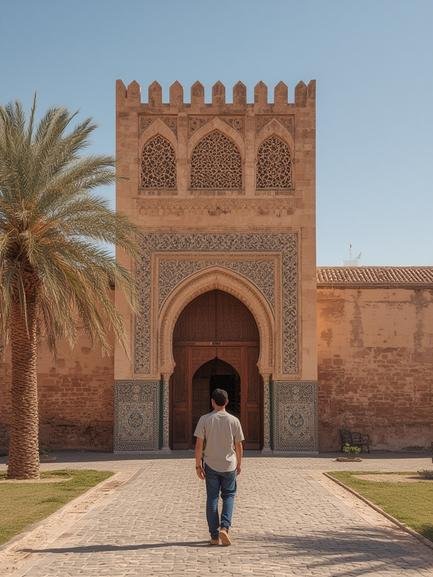
The coffee establishments of Rabat showcase stunning architectural elements that enhance the drinking experience. Many cafés in the medina feature intricate zellige tilework, carved cedar ceilings, and traditional Moroccan seating arrangements with colorful poufs and low tables. The more modern cafés in Ville Nouvelle often blend Art Deco influences with contemporary Moroccan design elements.
The sensory experience of Moroccan coffee Rabat extends beyond taste to include distinctive presentation and preparation methods that have become cultural hallmarks:
– Nous-nous (meaning “half-half”) – Equal parts espresso and hot milk, served in a glass, representing the French influence on Moroccan coffee culture
– Café msahan – Traditional Moroccan coffee infused with Moroccan spices and often served with dates or traditional sweets
– Café Turc – Strong coffee prepared in a small copper pot called a cezve, unfiltered with grounds settling at the bottom
Best Time to Visit & Practical Information
The ideal time to explore Rabat’s coffee culture is during spring (March-May) or autumn (September-November) when temperatures are pleasant for both indoor and outdoor café experiences. These seasons allow you to enjoy terrace seating at cafés along Rabat’s coastline or in the charming Andalusian Gardens without extreme heat or winter rains.
Most traditional cafés in Rabat operate from early morning until late evening, though specific hours vary by establishment. Prices range from 10-15 dirhams for a standard coffee in local establishments to 25-40 dirhams in upscale or tourist-oriented cafés. While dress codes are generally relaxed, modest attire is appreciated, especially when visiting traditional cafés in the medina.
Step-by-Step Exploration Guide
Discovering the best Moroccan coffee Rabat experiences requires a thoughtful approach to truly appreciate the rich flavors and cultural significance. Begin your coffee journey in Rabat’s atmospheric old medina, where traditional cafés serve coffee infused with Moroccan spices that have been used for generations. These aromatic additions transform an ordinary cup into a distinctly Moroccan experience.
1. Start at Café Maure in the Kasbah of the Udayas, offering spectacular ocean views and traditional Moroccan coffee preparations. This historic spot serves mint tea alongside coffee, creating the perfect introduction to Rabat’s beverage culture.
2. Continue to Avenue Mohammed V in the Ville Nouvelle, where French-influenced cafés offer nous-nous and café crème. These establishments blend colonial architecture with modern Moroccan sensibilities, creating a distinctive atmosphere.
3. Venture to the Agdal neighborhood to experience contemporary Moroccan coffee culture, where specialty coffee shops source beans from around the world while maintaining traditional preparation methods. Don’t miss sampling coffee alongside Moroccan pastries like chebakia or ghriba.
Nearby Attractions, Food & Accommodation
After enjoying Moroccan coffee Rabat, explore nearby attractions that complement your culinary experience. The Hassan Tower and Mausoleum of Mohammed V are just a short walk from several excellent cafés in the city center. The Chellah, an ancient Roman and medieval Islamic site, provides a peaceful setting to reflect on your coffee experiences.
For accommodation that keeps you close to Rabat’s best coffee spots, consider Riad Dar Soufa or Dar El Kébira in the medina. These traditional guesthouses offer authentic Moroccan ambiance at reasonable prices (500-800 dirhams per night). Budget travelers might prefer Hotel Texuda or Ibis Rabat Agdal, providing comfortable rooms with convenient access to the city’s coffee establishments.
Travel Tips & Common Mistakes
– Expecting quick service – Coffee in Rabat is meant to be savored slowly; embrace the relaxed pace rather than rushing your experience
– Missing out on café spectating – Choose window seats or terrace tables to participate in the Moroccan tradition of people-watching while enjoying your coffee
– Visit popular cafés mid-morning (10-11 AM) to experience authentic local atmosphere without crowds
– Learn basic coffee terminology in French or Arabic to order with confidence and connect with local baristas
Conclusion
Moroccan coffee Rabat experiences offer travelers a window into the soul of this fascinating capital city. Through each aromatic cup, you’ll discover centuries of cultural exchange, social traditions, and the artful use of Moroccan spices that make the coffee culture here truly unique. From traditional kahwas to modern specialty coffee shops, Rabat presents a coffee journey unlike anywhere else.
Next time you find yourself in Morocco’s capital, set aside time specifically for coffee exploration. Move beyond seeing coffee as a quick caffeine fix and embrace it as Moroccans do – a meaningful ritual for connection, contemplation, and community. Your Moroccan coffee experience in Rabat will likely become one of your most cherished memories from this magnificent North African kingdom.
FAQs
Q: What makes Moroccan coffee in Rabat different from other coffee traditions?
A: Moroccan coffee in Rabat uniquely combines Arabic, French, and indigenous influences, often incorporating spices like cardamom and cinnamon. The preparation methods and social customs surrounding coffee consumption also reflect Rabat’s distinctive cultural history.
Q: When is the best time of day to enjoy coffee in Rabat?
A: Mid-morning (around 10 AM) and late afternoon (4-5 PM) are ideal times when locals typically enjoy their coffee breaks. Evening is also popular, especially in summer when cafés become lively social hubs after the day’s heat subsides.
Q: Is it appropriate for solo female travelers to visit traditional coffee houses in Rabat?
A: While some traditional cafés were historically male-dominated spaces, most establishments in Rabat today welcome all visitors. Female travelers may feel more comfortable in hotel cafés or modern establishments in Ville Nouvelle and Agdal neighborhoods.