

Morocco’s capital city boasts a rich culinary landscape where traditional flavors meet modern dining experiences. Among the most beloved dishes in Moroccan cuisine, kofta (seasoned minced meat skewers) holds a special place in the hearts and palates of locals and visitors alike. Kofta restaurants in Rabat provide an authentic taste experience that showcases the culinary heritage of this historic city.
Whether you’re exploring the ancient Kasbah of the Udayas or wandering through the modern districts, Moroccan grilled specialties await at every corner, tantalizing your senses with aromatic spices and expertly prepared meats. This guide will take you through the best spots to enjoy this traditional delicacy in Morocco’s capital.
History & Cultural Background
Kofta has deep roots in Middle Eastern and North African cuisine, dating back centuries. In Morocco, the dish evolved with local spice combinations that set it apart from similar preparations in neighboring regions. Traditionally, Moroccan kofta consists of minced lamb or beef mixed with a blend of spices, including cumin, paprika, cinnamon, and fresh herbs like parsley and cilantro.
The history of kofta in Rabat is intertwined with the city’s development as a cultural melting pot. As the capital since 1956, Rabat has attracted people from all over Morocco, bringing their regional cooking techniques. The royal kitchens also influenced local cuisine, elevating dishes like kofta to an art form with precise preparation methods and high-quality ingredients.
During special occasions and religious festivals such as Eid al-Adha, kofta becomes a centerpiece of family gatherings and celebrations, symbolizing hospitality and abundance in Moroccan culture.
Architectural Highlights & Key Features
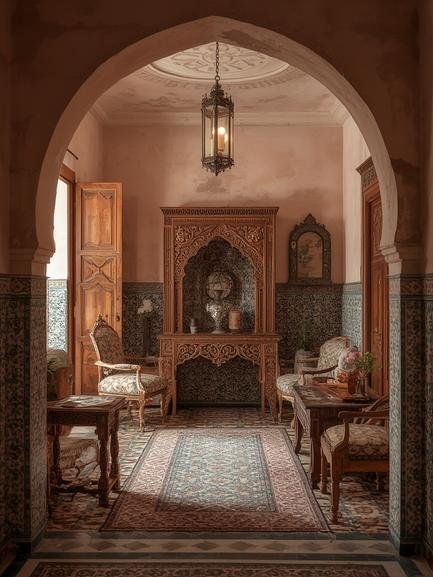
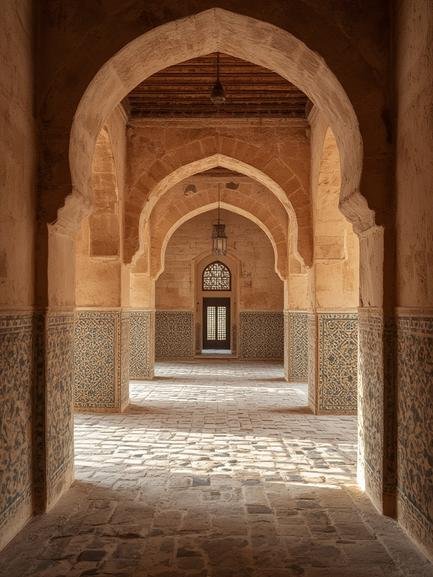
The dining experience at kofta establishments in Rabat is enhanced by the diverse architectural styles of their settings. Many traditional restaurants feature intricate zellige tilework, carved cedar wood ceilings, and colorful stained glass windows. These elements create an immersive atmosphere that complements the culinary journey.
Key architectural elements to look for include
– Riads: Traditional restaurants housed in converted courtyard homes with central fountains
– Medina eateries: Rustic charm with whitewashed walls and colorful accents
– Seafront establishments: Modern glass facades with panoramic views of the Atlantic
– New city venues: Contemporary designs that blend traditional Moroccan elements with modern aesthetics
The interior design often includes comfortable seating arrangements with low tables and cushioned benches, creating a relaxed environment perfect for the communal dining style common in Moroccan culture.
Best Time to Visit & Practical Information
The ideal time to explore Rabat’s kofta scene is during spring (April-May) and fall (September-October), when temperatures are mild, making it pleasant to explore the city between meal stops. Summer can be hot, but many restaurants offer air-conditioned interiors or shaded terraces.
Most restaurants serve lunch from 12:00 PM to 3:00 PM and dinner from 7:00 PM to 11:00 PM, with some popular establishments filling up quickly during peak hours. For the best experience, consider these practical tips:
– Prices range from 50 to 150 MAD ($5-15) for a complete kofta meal
– Reservations are recommended for upscale restaurants, especially on weekends
– Casual attire is acceptable in most places, though some upscale venues may expect smart casual
– Credit cards are widely accepted in established restaurants, but carry cash for smaller eateries
– Many establishments are closed or have limited hours during prayer times and religious holidays
Transportation options include taxis (blue petit taxis for in-city travel), the tram system, or ride-sharing apps that can easily take you between different culinary destinations.
Step-by-Step Exploration Guide
Begin your kofta culinary tour in the heart of Rabat’s medina, where traditional eateries offer authentic experiences. Start at Dar El Medina, a hidden gem where kofta restaurants in Rabat begin to showcase their mastery of spice blends. Here, the kofta is served straight from the charcoal grill to your table, accompanied by fresh bread and roasted vegetables.
Next, make your way to Avenue Mohammed V in the Ville Nouvelle (New City), where upscale establishments like Restaurant Dar Naji serve refined versions of Moroccan grilled specialties with creative presentations and premium ingredients.
Your exploration route should include:
1. Morning: Begin at Café Clock for a modern take on kofta in a cultural space
2. Lunch: Dine at Restaurant Dinarjat in the medina for traditional preparation
3. Afternoon: Visit the seafront restaurants near Kasbah des Oudaias for kofta with Atlantic views
4. Dinner: Experience Yamal Acham or La Koutoubia for their renowned signature recipes
For the best photo opportunities, visit restaurants with rooftop terraces during sunset, when the golden light illuminates the city while you enjoy your meal.
Nearby Attractions, Food & Accommodation
While exploring Rabat’s kofta scene, you’ll find yourself near many significant attractions:
– Hassan Tower and Mausoleum of Mohammed V (10-minute walk from several central restaurants)
– Kasbah of the Udayas (home to several excellent seafront dining options)
– Chellah Necropolis (combine with lunch at nearby Garden Café)
– Rabat Archaeological Museum (close to upscale dining options in Agdal district)
Complement your kofta meals with other local specialties:
– Moroccan mint tea and pastries at Café Maure in the Kasbah
– Fresh seafood at Le Dhow, a restaurant on a boat along the Bouregreg River
– Traditional couscous on Fridays at Restaurant Dinarjat
For accommodation, consider:
Budget: Riad Meftaha or Dar Aida in the medina
Mid-range: Riad Zyo or Hotel Belère
Luxury: Sofitel Jardin des Roses or La Tour Hassan Palace
Travel Tips & Common Mistakes to Avoid
When dining at kofta establishments in Rabat, be aware of these potential pitfalls:
– Assuming all kofta is spicy – request your preferred spice level
– Eating during peak tourist hours (12-1 PM and 7-8 PM) when service may be rushed
– Missing out on the complementary sides and sauces that enhance the experience
– Forgetting to specify your meat preference (lamb, beef, or mixed)
Practical tips for an enhanced experience:
– Learn basic Arabic phrases for ordering and showing appreciation
– Ask locals for recommendations beyond tourist guides
– Try kofta tagine variations in addition to the grilled skewers
– Pair your meal with Moroccan wine (available in non-religious establishments)
– Save room for traditional desserts like pastilla with milk or fresh fruit
Conclusion

The journey through Kofta restaurants Rabat offers more than just a culinary adventure—it provides insight into Morocco’s rich cultural heritage, hospitality traditions, and the art of spice blending that has been perfected over generations. From humble medina eateries to sophisticated dining establishments, each venue adds its unique touch to this beloved dish while maintaining the authentic essence that makes Moroccan grilled specialties world-famous. As you plan your visit to Rabat, allow yourself to be guided by both your palate and curiosity, exploring the diverse neighborhoods and their distinctive culinary offerings. The perfect kofta—tender, aromatic, and perfectly charred—awaits you in Morocco’s elegant capital. Don’t just visit Rabat; taste it, one delicious kofta skewer at a time.
FAQs
How much should I expect to pay for a good kofta meal in Rabat?
A quality kofta meal typically costs between 50 and 150 MAD ($5-15), depending on the restaurant’s location and ambiance. Street food versions may be available for 25-40 MAD, while upscale establishments might charge 200+ MAD.
Is it customary to tip at restaurants in Rabat?
Yes, tipping is appreciated, though not mandatory. A gratuity of 10-15% for good service is standard in tourist-oriented restaurants, while rounding up the bill is common in casual eateries.
Are there vegetarian alternatives available at kofta restaurants?
Many kofta restaurants now offer vegetarian options made with lentils, chickpeas, or vegetables. Traditional side dishes like roasted vegetables, salads, and bread are naturally vegetarian-friendly.
What’s the best drink to pair with kofta?
Traditional pairings include Moroccan mint tea, fresh fruit juices, or avocado shakes. If alcohol is desired, look for restaurants serving Moroccan gray wine or imported selections. Remember that many traditional establishments don’t serve alcohol.
Is it safe to eat at street food kofta vendors?
While street food can offer authentic flavors, stick to vendors with high turnover and visible food preparation. Look for places frequented by locals, and ensure the meat is thoroughly cooked before eating.