



Have you ever dreamed of traveling between two ancient Moroccan royal cities, each with its own distinct character yet connected by centuries of shared history? The journey from Rabat to Fes represents one of Morocco’s most fascinating travel experiences, taking you from the contemporary capital to the country’s spiritual and cultural heart. This route not only connects two UNESCO World Heritage sites but also offers glimpses into Morocco’s diverse landscapes and traditions.
Whether you’re planning a day trip or a longer exploration, understanding the travel options in Morocco will enhance your journey through this North African kingdom.
History & Cultural Background
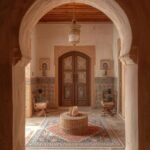
The path between these imperial cities traces back to ancient times when trade caravans connected Morocco’s vital centers. Rabat, established as a fortress in the 12th century by the Almohad ruler Abd al-Mu’min, eventually grew into a capital combining Andalusian, French colonial, and modern Moroccan influences. Fes, founded in 789 CE by Idris I, developed into the intellectual and spiritual center of Morocco and the Arab world.
The route between them has witnessed the rise and fall of dynasties—from the Idrisids who established Fes, to the Almoravids, Almohads, Merenids, Saadians, and finally the Alaouites who continue to rule Morocco today. During the French Protectorate (1912-1956), modern transportation infrastructure was developed, transforming what was once a multi-day caravan journey into a comfortable few hours’ travel.
Architectural Highlights & Key Features
The architectural contrast between these cities creates a fascinating narrative of Moroccan design evolution. Rabat features the unfinished Hassan Tower, reminiscent of Seville’s Giralda, alongside the modernist administrative district built during the French Protectorate. The Kasbah of the Udayas offers pristine Andalusian-inspired gardens and whitewashed streets comparable to Greece’s Santorini.
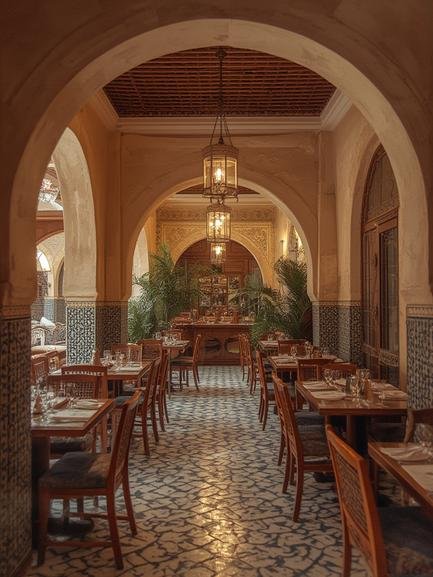
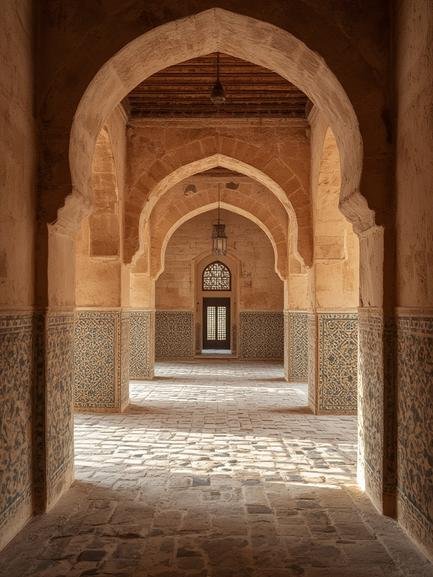
Fes presents the world’s largest car-free urban area in its medina, where 9,000 narrow derbs (alleyways) wind between ancient buildings. The city’s architectural treasures include the University of Al-Quaraouiyine (founded 859 CE), the world’s oldest continuously operating educational institution, predating both Oxford and Bologna universities. The intricate zellij tilework, carved cedar, and stucco ornamentation in Fes rival the decorative achievements of the Alhambra in Granada.
Best Time to Visit & Practical Information
The ideal time to travel between Rabat and Fes is during spring (April-May) and fall (September-October) when temperatures are pleasant (18-25°C) and tourist crowds are moderate. Summer months (June-August) can be intensely hot, while winter (November-February) brings cooler temperatures and occasional rainfall.
For transportation options:
– Train: The most convenient option, with departures every 1-2 hours (120-180 MAD, approximately $12-18)
– Grand Taxi: Shared Mercedes services depart when full (around 150 MAD per seat)
– Private Transfer: The most comfortable option (800-1200 MAD)
– Bus: CTM and Supratours operate regular services (80-120 MAD)
The journey takes approximately 2.5 hours by train or private car, and 3-4 hours by bus.
Step-by-Step Exploration Guide
1. Morning in Rabat: Begin at the Hassan Tower and Mohammed V Mausoleum complex. Arrive early (8:00-9:00 AM) to avoid crowds and capture beautiful morning light for photographs.
2. Rabat Medina & Kasbah: Explore the compact old city and the picturesque Kasbah of the Udayas before departing. Don’t miss the Andalusian Gardens for a peaceful moment.
3. Journey from Rabat to Fes: If taking the train, opt for first class for guaranteed seating. The route passes through agricultural landscapes and smaller towns like Kenitra and Meknes.
4. Arrival in Fes: Most travel options in Morocco will bring you to the Ville Nouvelle (New City). Take a petit taxi to Bab Boujloud (Blue Gate) to begin your medina exploration.
5. Fes Medina Orientation: Follow the main thoroughfare of Talaa Kebira from Bab Boujloud toward the Karaouine Mosque, stopping at the Bou Inania Madrasa and various souks along the way.
Nearby Attractions, Food & Accommodation
Near Rabat: Visit Sale across the river for its authentic medina and Grand Mosque, or take a day trip to the Roman ruins of Volubilis and the holy city of Moulay Idriss.
Near Fes: The Middle Atlas mountains and cedar forests are just an hour away, while the thermal baths of Moulay Yacoub offer relaxation opportunities.
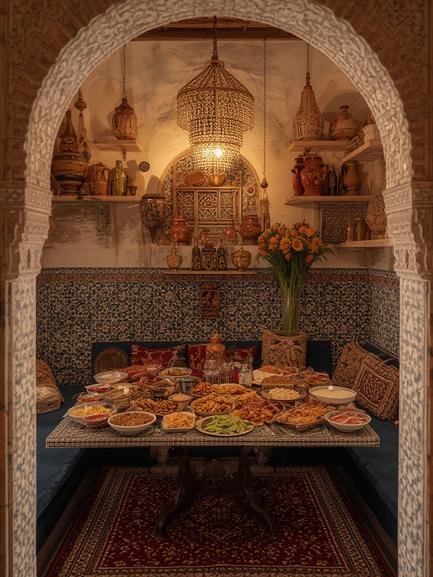
For dining, try Dar Naji in Rabat for traditional Moroccan cuisine (150-250 MAD per person) and Café Clock in Fes for fusion dishes in a cultural setting.
Accommodation ranges from luxurious riads like Riad Fes (2000+ MAD) to mid-range options like Dar Bensouda (800-1200 MAD) and budget-friendly hostels like Funky Fes (150-200 MAD).
Travel Tips & Common Mistakes to Avoid
1. Don’t rush the journey: Many travelers treat this route as mere transportation, missing the opportunity to stop in Meknes and Volubilis between the cities.
2. Train ticket purchasing: Book first-class tickets in advance during high season, especially for morning departures.
3. Medina navigation: In Fes, avoid following unsolicited “guides” who may demand excessive payment. Arrange official guides through your accommodation.
4. Packing considerations: Bring modest clothing for visits to religious sites and comfortable footwear for navigating Fes’ cobblestone streets.
Conclusion
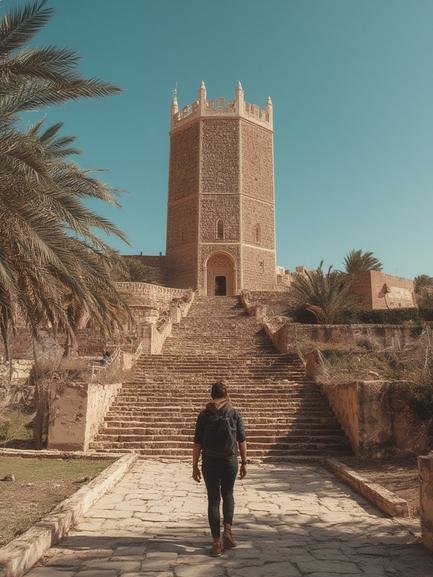
The journey from Rabat to Fes offers more than mere transportation between destinations—it provides a passage through time, connecting Morocco’s administrative present with its historical soul. This route encapsulates the nation’s evolution from medieval splendor to modern development while preserving authentic cultural experiences throughout. As you plan your Moroccan adventure, consider how travel options in Morocco can be woven into a meaningful exploration rather than simply checking cities off your list. Save this guide for your journey, and don’t hesitate to share your experiences navigating between these magnificent imperial cities!
FAQs
How long should I spend in Fes after arriving from Rabat?
At least two full days are recommended to properly explore Fes, with one day focused on the medina and another for surrounding attractions.
Is it safe to travel between Rabat and Fes?
Yes, this is one of Morocco’s safest and most frequented routes. Trains and major bus companies are comfortable and secure for tourists.
Can I visit Meknes and Volubilis on the way?
Absolutely! Consider breaking your journey with a stop in Meknes (the train stops there) and hiring a taxi to Volubilis before continuing to Fes the same day or the next.
What’s the best transportation option for a family with children?
A private transfer offers the most flexibility and comfort, allowing bathroom stops and detours to points of interest. First-class train travel is a good alternative.
Are there any photography restrictions in Fes?
Always ask permission before photographing people, especially in the medina. Some religious sites restrict photography, and certain craftspeople may request a small fee for photos of their work.