

Have you ever wondered what treasures lie between Morocco’s administrative capital and one of its most historical imperial cities? The journey from Rabat to Meknes offers travelers a fascinating transition between two royal cities, each with its own unique character and historical significance. While Rabat showcases a blend of modern governance and ancient heritage, Meknes reveals the grandeur of 17th-century Morocco under Sultan Moulay Ismail.
For those interested in Moroccan imperial cities, this route provides an authentic glimpse into the kingdom’s rich cultural tapestry, architectural marvels, and the evolution of Moroccan civilization through the centuries.
History & Cultural Background
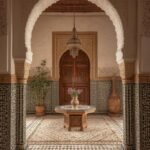
The connection between these two imperial cities dates back centuries. Rabat, established as a fortress in the 12th century by the Almohad ruler Abd al-Mu’min, later flourished as a pirate republic before becoming Morocco’s capital in 1956. Meknes, founded in the 11th century by the Almoravids as a military settlement, reached its zenith during Sultan Moulay Ismail’s 55-year reign (1672-1727).
Moulay Ismail transformed Meknes into a spectacular imperial city, hoping to rival Versailles. He employed over 50,000 workers and slaves to construct massive walls, monumental gates, and palatial complexes. The sultan’s ambition was to create a symbol of Moroccan power that would impress European ambassadors and solidify his dynasty’s legitimacy. This historical period marked Meknes as one of Morocco’s four imperial cities, alongside Fez, Marrakech, and Rabat.
Architectural Highlights & Key Features
The 150km journey between these cities showcases dramatic changes in landscape and architectural styles. Rabat features the impressive Hassan Tower and the modern-yet-traditional Mausoleum of Mohammed V, exemplifying Moroccan-Andalusian design. The Kasbah of the Udayas offers stunning blue and white streets reminiscent of Santorini but with distinctly Moroccan elements.
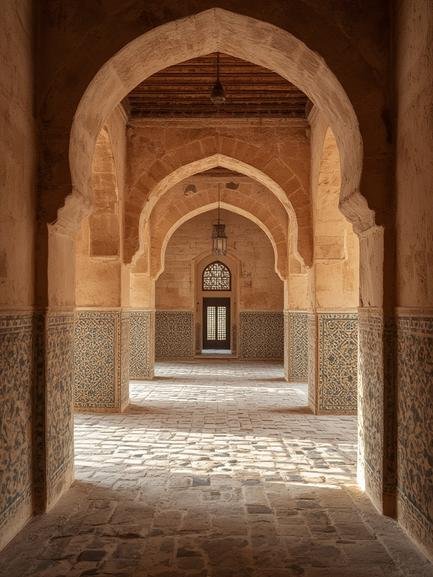
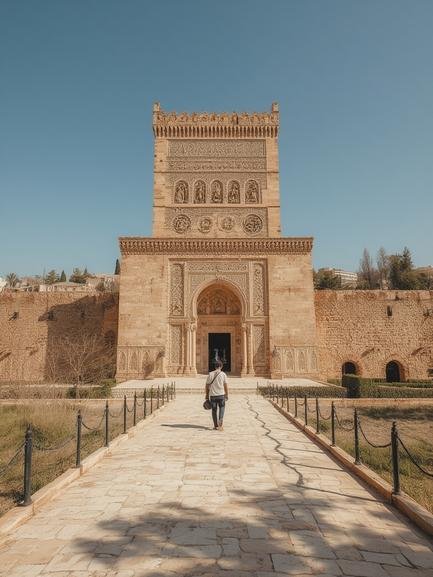
Upon reaching Meknes, visitors encounter the magnificent Bab Mansour, widely considered North Africa’s most beautiful gate. Its massive marble columns (taken from the nearby Roman ruins of Volubilis), intricate zellige tilework, and imposing presence reflect Moulay Ismail’s quest for grandeur. The Heri es-Souani granaries and stables—built to house 12,000 horses—demonstrate ingenious architectural solutions for climate control and storage that rivaled contemporary European engineering feats.
Best Time to Visit & Practical Information
Spring (April-May) and fall (September-October) offer ideal weather conditions for traveling between Rabat and Meknes, with temperatures ranging from 15-25°C. Summer can be uncomfortably hot, particularly in Meknes where inland temperatures frequently exceed 35°C.
The journey takes approximately 2-3 hours by train (20-40 MAD/$2-4 USD), with departures every hour from Rabat Ville station. First-class tickets are recommended for guaranteed seats. Alternatively, grand taxis (collective Mercedes sedans) make the trip for around 70-100 MAD ($7-10 USD) per person, or you can hire a private taxi for about 600 MAD ($60 USD).
Both cities’ historical sites typically open daily from 9am-6pm (with a break for lunch in some locations), with modest entrance fees ranging from 10-70 MAD ($1-7 USD).
Step-by-Step Exploration Guide
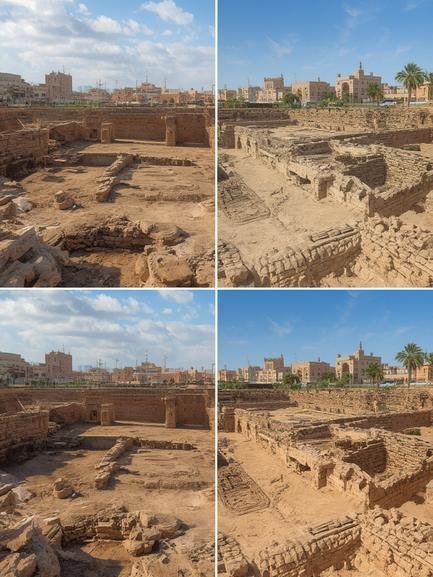
When traveling from Rabat to Meknes, I recommend this exploration route:
1. Start in Rabat: Begin at the Hassan Tower and Mohammed V Mausoleum complex, arriving early to avoid crowds. Don’t miss the guards in their ceremonial attire.
2. Kasbah of the Udayas: Explore this fortress with its Andalusian garden and panoramic ocean views.
3. Train to Meknes: Take a mid-morning train to arrive in time for lunch.
4. Place el-Hedim: Begin your Meknes exploration at this grand square, the heart of the medina.
5. Bab Mansour: Marvel at this monumental gateway before the afternoon sun makes photography challenging.
6. Mausoleum of Moulay Ismail: Visit this sacred site respectfully (remove shoes, dress modestly).
7. Heri es-Souani: Explore the ingenious granaries and former royal stables.
8. Dar Jamai Museum: Conclude your day with traditional arts and crafts in this 19th-century palace.
For those interested in Moroccan imperial cities, I recommend extending your journey to include nearby Volubilis, the best-preserved Roman ruins in Morocco, just 30km from Meknes.
Nearby Attractions, Food & Accommodation
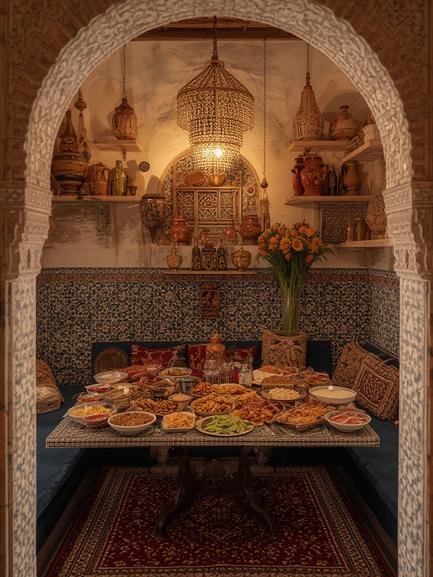
Beyond the main sites, consider visiting Meknes’ Jewish quarter (Mellah), with its distinctive architecture and the fascinating Meknes Museum. Culinary enthusiasts should try local specialties at Restaurant Salma or the more upscale Riad D’Or restaurant, featuring pastilla (savory-sweet pastry) and tajines starting at 70 MAD ($7 USD).
For accommodations, Riad Yacout offers authentic mid-range lodging (800-1200 MAD/$80-120 USD), while budget travelers can consider Hostel Touareg (150-200 MAD/$15-20 USD). Luxury seekers should book Riad Meknes (1500+ MAD/$150+ USD) for its traditional architecture and modern amenities.
Travel Tips & Common Mistakes to Avoid
1. Don’t rush: Many travelers try to see Meknes as a day trip, missing the magical evening atmosphere.
2. Beware of unofficial guides: Use only officially licensed guides with badges.
3. Bargain respectfully: In the medina, start at 40% of the initial asking price.
4. Hydration: Inland Meknes is noticeably hotter than coastal Rabat—carry water.
5. Photography etiquette: Always ask before photographing locals, especially in religious sites.
6. Train tickets: Purchase first-class train tickets a day in advance during peak season.
Conclusion
The journey from Rabat to Meknes offers more than just transportation between two points—it’s a passage through Morocco’s royal history, architectural evolution, and cultural heritage. Each city complements the other: Rabat’s elegant modernity and ancient fortifications provide contrast to Meknes’ imposing imperial grandeur and intricate craftsmanship. As you explore these Moroccan imperial cities, you’ll gain deeper appreciation for the kingdom’s multifaceted identity and historical significance. I encourage you to take your time, venture beyond the obvious landmarks, and engage with locals to truly understand the soul of these remarkable destinations. Have you experienced this journey? Share your experiences or questions in the comments below, or explore our guides to Fez and Marrakech to complete your imperial cities tour!
FAQs
How long should I spend exploring Meknes?
While Meknes can technically be seen in one full day, I recommend at least two days to properly experience its historical sites, medina, and relaxed atmosphere without rushing.
Is it safe to travel between Rabat and Meknes?
Yes, this is one of Morocco’s safest and most well-traveled routes. The train service is reliable, comfortable, and secure for tourists.
Can I visit Volubilis and Meknes in the same day?
Yes, but it makes for a long day. Consider an organized tour or taxi for efficiency (about 300 MAD/$30 USD for a half-day taxi to Volubilis).
Are there English-speaking guides available in Meknes?
Yes, official guides speaking multiple languages can be arranged through your accommodation or at the tourist office near Place el-Hedim for 200-300 MAD ($20-30 USD) for a half-day tour.
Do I need to cover my head when visiting religious sites in Meknes?
Women should bring a scarf for visiting active religious sites, though most tourist sites like the Mausoleum of Moulay Ismail simply require modest clothing and removing shoes.