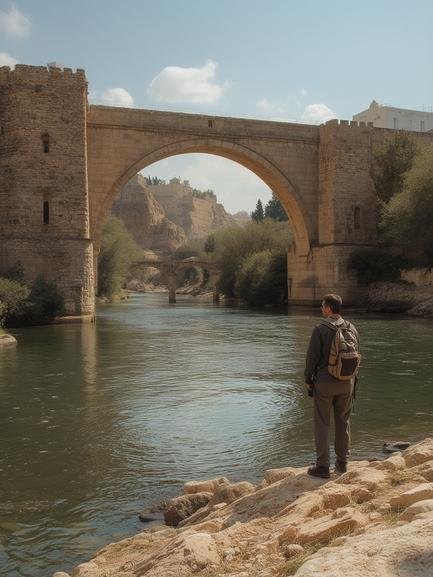


Have you ever stood before an ancient monument and felt the weight of centuries of history whispering through its stones? Hassan Tower Rabat offers precisely this profound experience, standing as a testament to grand ambition and artistic vision in Morocco’s capital city.
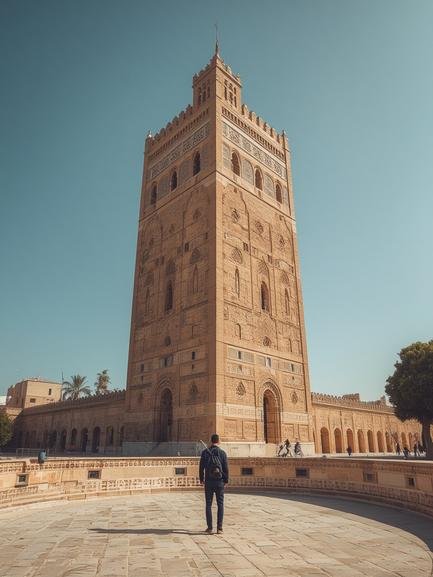
This incomplete 12th-century minaret, with its distinctive reddish sandstone facade, represents one of North Africa’s most significant historical landmarks. Travelers interested in Islamic architecture and Moroccan cultural heritage find themselves drawn to this UNESCO World Heritage site, where the unfinished nature of the tower only adds to its mystique and historical significance.
History & Cultural Background
Hassan Tower began its life in 1195 CE when Almohad ruler Yacoub al-Mansour commissioned what was intended to be the world’s largest mosque and minaret. The ambitious project was designed to celebrate al-Mansour’s victory over Spanish forces at Alarcos and to establish Rabat as a grand imperial capital. Construction halted abruptly in 1199 following the sultan’s death, leaving the minaret at only 44 meters—about half its intended height of 86 meters.
The incomplete monument stands alongside the ruins of what would have been a massive prayer hall containing 360 columns. This architectural complex represents the height of Almohad architecture, showcasing the dynasty’s power during their rule over much of Northwest Africa and parts of the Iberian Peninsula. In the 20th century, the site gained renewed significance when King Mohammed V’s mausoleum was constructed nearby, creating a powerful national symbol that connects Morocco’s past with its present.
Architectural Highlights & Key Features
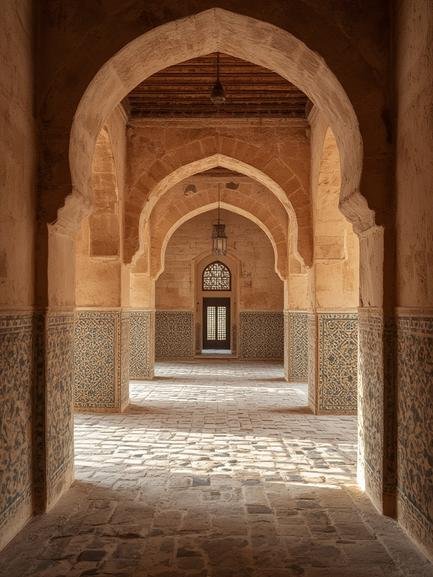
Hassan Tower exemplifies the Moorish architectural style with its intricate geometric patterns, horseshoe arches, and elaborate façade decorations. Each of the tower’s four sides features different ornate designs, showcasing the masterful stonework of medieval Moroccan artisans. The structure’s reddish sandstone changes color throughout the day as the sun moves across the sky, creating a photographer’s paradise.
The tower’s interior contains six vaulted chambers stacked one above another, connected by a ramp instead of stairs—designed to allow the muezzin to ride a horse to the top for the call to prayer. This innovative design element shares similarities with the famous Giralda tower in Seville, Spain, which was also constructed during the Almohad period, though Hassan Tower’s incomplete state offers a unique glimpse into 12th-century construction techniques.
Best Time to Visit & Practical Information
The ideal time to visit Hassan Tower is during spring (April-May) and fall (September-October), when temperatures are moderate and pleasant. Morning visits provide the best lighting for photography, while sunset offers dramatic views as the tower glows in the golden hour light.
The site is open daily from 9:00 AM to 6:00 PM, with entry to the grounds being free of charge. Visitors should dress respectfully, with shoulders and knees covered, particularly if planning to visit the adjacent Mohammed V Mausoleum. The tower is easily accessible via Rabat’s efficient tram system (Line 2, Hassan stop) or by taxi from anywhere in the city. Allow 1-2 hours for a thorough exploration of both the tower and mausoleum complex.
Step-by-Step Exploration Guide
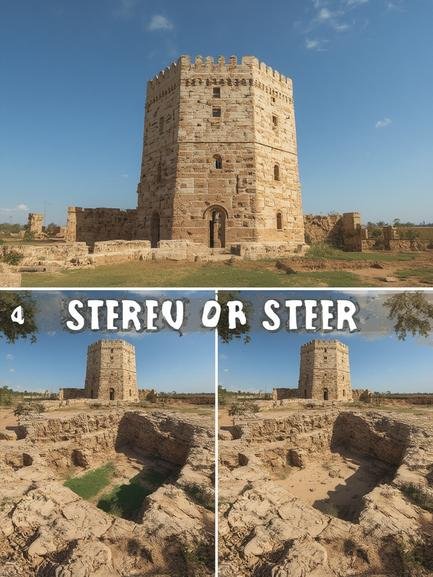
1. Begin at the Esplanade: Start your visit at the vast marble-paved plaza surrounding Hassan Tower Rabat. Take a moment to appreciate the scale of what would have been an enormous mosque.
2. Explore the Columns: Wander through the forest of 200+ columns that remain from the original mosque structure. Each column was intended to support arches for the prayer hall. Tip: Notice how the columns are arranged in perfect rows, offering excellent photo opportunities.
3. Circle the Tower: Walk around all four sides of the minaret to observe the different decorative patterns on each façade. The southern face features the most elaborate designs and catches beautiful afternoon light.
4. Visit the Mohammed V Mausoleum: Cross the esplanade to visit this architectural masterpiece where Moroccan cultural heritage is proudly displayed through exquisite craftsmanship. Inside, notice the stunning zellij tilework and carved cedar ceiling.
5. Royal Guards: Time your visit to see the changing of the royal guard in front of the mausoleum, which occurs hourly and adds a ceremonial dimension to your experience.
Nearby Attractions, Food & Accommodation
Within walking distance of Hassan Tower lies Rabat’s charming Kasbah des Oudaias, offering narrow blue-and-white streets reminiscent of Greek islands. The Rabat Archaeological Museum houses remarkable pre-Islamic artifacts, while the Medina offers authentic shopping experiences.
For dining, try Dinarjat for traditional Moroccan cuisine in an atmospheric riad setting (200-300 MAD per person), or the more budget-friendly Café Maure in the Kasbah for mint tea and pastries overlooking the Bou Regreg River. Accommodation options range from the luxurious Villa Mandarine with its garden setting (2000+ MAD/night) to the mid-range Riad Kalaa in the medina (800-1200 MAD/night) or the budget-friendly Hotel Oumlil (400 MAD/night).
Travel Tips & Common Mistakes to Avoid
1. Don’t rush through the site—many visitors fail to notice the subtle differences in the tower’s decorative patterns by not taking time to observe all four sides.
2. Avoid visiting during midday prayer times if you want to enter the Mohammed V Mausoleum, as it closes temporarily for prayers.
3. Many tourists overlook the small museum within the mausoleum complex—don’t miss its displays of Moroccan craftsmanship and royal artifacts.
4. Bring water and sun protection, as the expansive esplanade offers little shade on sunny days.
Conclusion
Hassan Tower Rabat stands as a poignant reminder of ambitious dreams and the unpredictable nature of history. Its incomplete state, rather than diminishing its importance, enhances its storytelling power and historical significance. This landmark offers visitors a unique window into medieval Islamic architecture and the artistic achievements of the Almohad dynasty. As you explore the tower and its surroundings, you’ll connect with centuries of Moroccan cultural heritage and gain a deeper appreciation for the kingdom’s rich historical tapestry. Plan your visit to this extraordinary monument and discover why it continues to captivate historians, architects, and travelers alike. Have you visited Hassan Tower? Share your experience in the comments, or explore our other guides to Morocco’s imperial cities!
FAQs
How much time should I allocate for visiting Hassan Tower and the Mohammed V Mausoleum?
Plan to spend 1-2 hours exploring both sites thoroughly, allowing time to appreciate the architectural details and take photographs.
Is there an entrance fee for Hassan Tower?
The grounds around Hassan Tower are free to enter. The adjacent Mohammed V Mausoleum is also free, though visitors may need to queue during busy periods.
Are guided tours available at the site?
Yes, licensed guides are available at the entrance for approximately 100-150 MAD for a one-hour tour. Many hotels can also arrange guided tours that include transportation.
What is the dress code for visiting Hassan Tower and the Mausoleum?
While the tower grounds have no strict requirements, modest dress is appreciated. For the Mausoleum, shoulders and knees must be covered, and women should bring a scarf to cover their hair.
Is Hassan Tower accessible for visitors with mobility issues?
The esplanade around Hassan Tower is wheelchair accessible with smooth marble surfaces. The Mausoleum has ramps for wheelchair access, though some interior areas may be more challenging to navigate.