

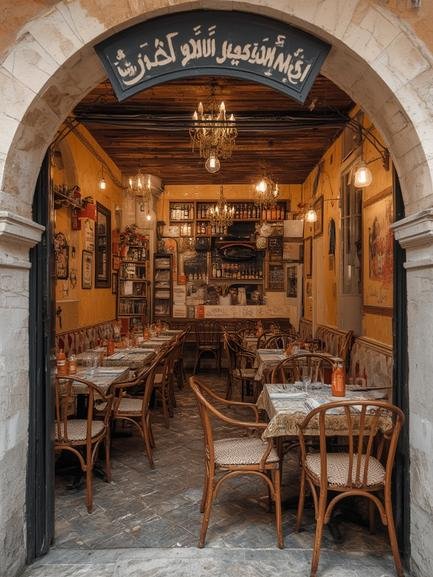

Have you ever wondered where to find the most authentic taste of the Atlantic Ocean while visiting Morocco’s capital? Rabat seafood restaurants offer an unparalleled culinary journey that combines centuries-old fishing traditions with modern Moroccan gastronomy. As the coastal capital sits where the Bou Regreg River meets the Atlantic Ocean, it has developed a rich maritime culinary heritage that draws food enthusiasts from around the world.
The city’s restaurants serve everything from humble sardine dishes to elaborate lobster feasts, all while showcasing Mediterranean seafood cuisine with a distinctive Moroccan twist that can’t be experienced anywhere else.
History & Cultural Background
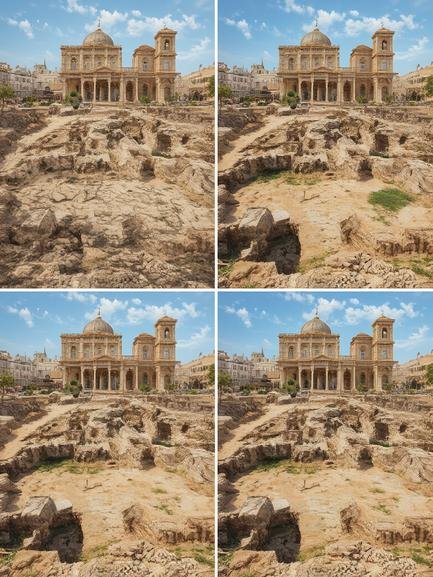
Rabat’s seafood culture dates back to the Phoenicians who established trading posts along Morocco’s coast around 700 BCE, introducing advanced fishing techniques. When the Almohad dynasty established Rabat in the 12th century, the city’s strategic coastal location cemented its importance as a fishing hub. The arrival of Andalusian refugees in the 15th century further enriched local cuisine with Spanish influences, particularly evident in dishes like seafood paella with Moroccan spices.
During the French Protectorate (1912-1956), European culinary techniques blended with traditional methods, creating the fusion approach seen in many restaurants today. The royal patronage of seafood cuisine also elevated its status, with several traditional recipes originating from palace kitchens. Today’s seafood establishments represent this rich culinary evolution, from ancient Berber preservation methods to contemporary French-influenced presentations.
Architectural Highlights & Key Features
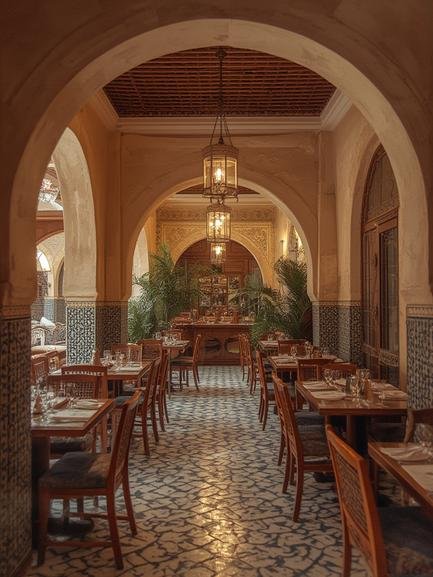
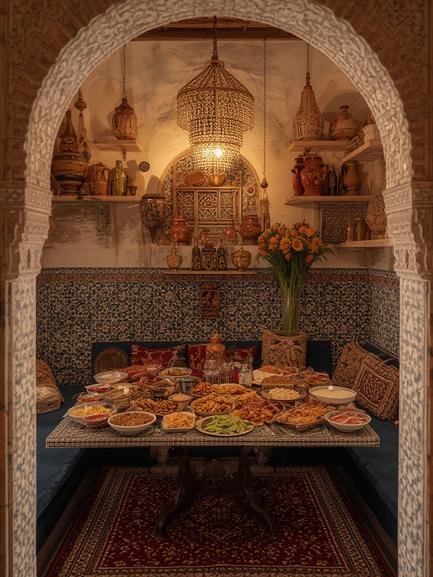
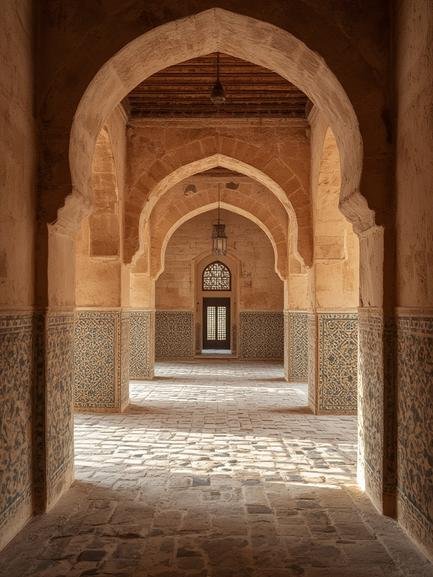
Rabat’s seafood restaurants are architectural gems themselves, reflecting the city’s diverse heritage. Many establishments in the Oudayas Kasbah feature traditional riad designs with central courtyards, intricate zellij tilework, and carved cedar ceilings. Seaside venues often incorporate elements of Art Deco from the colonial period, with large windows maximizing ocean views.
The port area restaurants typically showcase more utilitarian maritime designs with fishing nets, boat parts, and nautical elements integrated into their décor. This contrasts with the upscale establishments in Agdal and Hassan neighborhoods, which blend Moroccan architectural elements with contemporary minimalist aesthetics. Unlike the purely commercial seafood districts of Marseille or Istanbul, Rabat’s restaurants maintain a unique balance between authenticity and elegance that reflects the city’s status as both royal capital and working port.
Best Time to Visit & Practical Information
The optimal season to enjoy Rabat’s seafood is from September to November, when summer crowds have diminished but the weather remains pleasant. Winter (December-February) brings the freshest catch but occasional rainy days, while spring offers ideal temperatures but increasing tourist numbers.
Most restaurants serve lunch from 12:00-3:00 PM and dinner from 7:00-11:00 PM, with seaside venues often opening earlier for breakfast. Prices vary significantly: budget seafood stalls in the medina offer meals for 50-100 dirhams ($5-10), while upscale restaurants charge 300-800 dirhams ($30-80) per person. Reservations are essential for premier establishments, especially during weekends and holidays.
For transportation, petit taxis provide convenient access to most restaurants, with fares rarely exceeding 30 dirhams within the city. Dress code tends to be smart-casual at higher-end venues, while market eateries are informal. Consider booking tables with ocean views in advance for the best dining experience.
Step-by-Step Exploration Guide
Begin your seafood journey at the Central Market (Marché Central) in the morning to witness the daily fish auction. This gives you insight into what’s fresh before sampling any Rabat seafood restaurants later. Try the market’s small food stalls for affordable grilled sardines or calamari.
Next, head to the Oudayas Kasbah area for lunch at one of the traditional restaurants overlooking the Atlantic. Order the “poisson du jour” (fish of the day), typically prepared with chermoula, a marinade combining cilantro, garlic, cumin, and preserved lemon that exemplifies Mediterranean seafood cuisine with North African influences.
In the afternoon, visit the Sale fishing port across the river to see boats returning with their catch. Many restaurants here serve seafood directly from boat to plate – look for places where locals gather for the most authentic experience.
For dinner, explore the upscale options in Agdal or Hassan districts, where creative chefs combine traditional techniques with international influences. Reserve a table at sunset for spectacular ocean views, and don’t miss signature dishes like seafood pastilla or tagine with fish, preserved lemon, and olives.
Nearby Attractions, Food & Accommodation
After dining, explore the Hassan Tower and Mohammed V Mausoleum, just a short walk from several renowned seafood establishments. The Rabat Archaeological Museum offers context for the city’s maritime history and pairs well with a culinary tour.
For non-seafood options, try traditional Moroccan dishes at cafes in the medina or international cuisine in Agdal. Street food enthusiasts should sample freshly fried seafood briouats (triangular pastries) from vendors near the beach.
Accommodation options range from budget-friendly riads in the medina (400-800 dirhams/night) to luxury hotels along the corniche (1,500-3,000 dirhams/night). The Villa Mandarine and Sofitel Rabat Jardin des Roses both offer excellent in-house seafood restaurants for those seeking convenience.
Travel Tips & Common Mistakes to Avoid
Don’t limit yourself to tourist-oriented restaurants – some of the best seafood is found in small, family-run establishments without English menus. Ask your hotel concierge for recommendations or look for places filled with locals.
Avoid ordering seafood on Mondays, as many fishermen don’t go out on Sundays, meaning Monday’s catch may not be as fresh. Always check that shellfish is properly sealed before eating, and don’t hesitate to ask how recently it was caught.
A common mistake is overlooking seasonal specialties – ask what’s particularly good during your visit rather than ordering standard menu items. Also, many visitors miss the seafood breakfast experience – fresh sea urchin or oysters with morning mint tea is a local tradition worth trying.
Conclusion
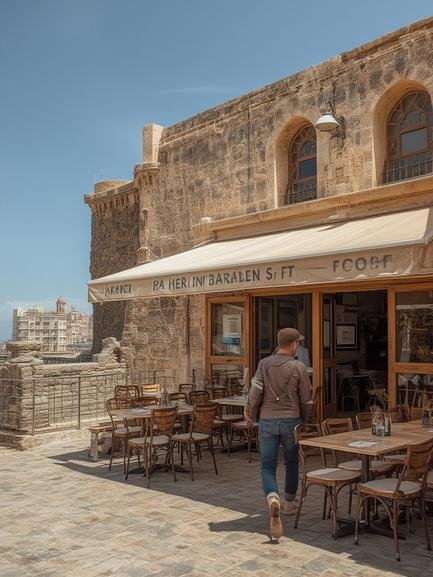
The diverse and historically rich Rabat seafood restaurants offer far more than just delicious meals – they provide a window into Morocco’s complex cultural heritage, where Berber, Arab, Andalusian, and French influences converge. From humble fish markets to sophisticated dining establishments, each venue tells part of the city’s story through its cuisine. As you explore the capital’s culinary landscape, you’ll discover that Mediterranean seafood cuisine reaches its most distinctive expression in this coastal city where ancient techniques meet royal refinement. Whether you’re a dedicated foodie or casual traveler, make time to savor Rabat’s maritime flavors – they remain one of Morocco’s most authentic yet underappreciated culinary treasures.
FAQs
How much should I expect to spend at a good seafood restaurant in Rabat?
Mid-range seafood restaurants typically charge 150-300 dirhams ($15-30) per person for a complete meal with drinks. Higher-end establishments can range from 300-800 dirhams ($30-80) depending on what you order, particularly for lobster and premium fish varieties.
Is it safe to eat raw seafood in Rabat?
Upscale restaurants serving raw seafood (oysters, sea urchin, carpaccio) generally maintain high standards. Look for busy establishments with high turnover and check if they display health certificates. Avoid raw seafood from street vendors or very budget establishments.
Do I need to speak French or Arabic to dine at seafood restaurants?
While touristy restaurants offer English menus, many authentic local places have Arabic and French only. Learning basic food terms in either language is helpful, and bringing a food translation app can enhance your experience at family-run establishments.
What’s the most sustainable seafood choice in Rabat?
Sardines, mackerel, and locally caught white fish like sea bream are generally sustainable choices. Some upscale restaurants now indicate sustainability on their menus. Avoid ordering out-of-season seafood or endangered species like certain types of grouper.
Can vegetarians find options at Rabat seafood restaurants?
Most seafood restaurants offer several vegetarian sides like roasted vegetables, Moroccan salads, and bread. However, dedicated vegetarian main courses are limited in traditional establishments. Inform your server about dietary restrictions, as many kitchens can accommodate special requests.