
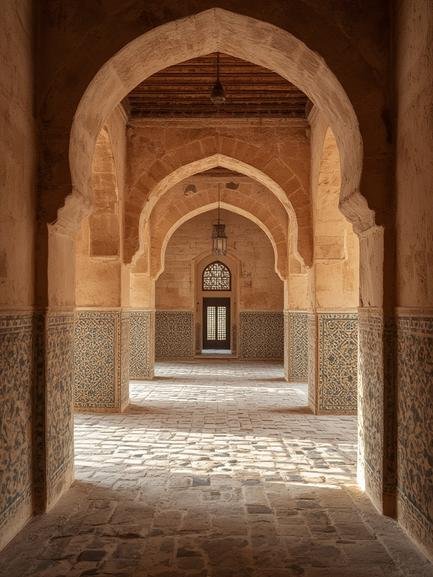


Have you ever wondered where Morocco’s ancient history and contemporary art scenes converge most beautifully? In the elegant capital city of Rabat, a remarkable collection of Rabat museums offers visitors an extraordinary journey through time, art, and Moroccan heritage. From archaeological wonders to contemporary masterpieces, these cultural institutions provide crucial insights into Morocco’s rich past and vibrant present.
Whether you’re a history enthusiast or simply curious about Moroccan cultural heritage, these museums stand as guardians of the nation’s identity and artistic expression. Let me guide you through this captivating museum landscape where centuries of history and creativity await your discovery.
History & Cultural Background
Rabat’s museum tradition dates back to the French Protectorate period (1912-1956), when the first archaeological collections were established to preserve the country’s ancient artifacts. The cornerstone institution, the Archaeological Museum (now part of the National Museum of Moroccan Heritage), was founded in 1932 and originally housed in the Oudaya Kasbah. After Morocco gained independence in 1956, the government expanded the cultural infrastructure significantly, establishing new museums that would celebrate Moroccan identity and artistic achievements.
The royal patronage played a crucial role in this cultural renaissance, particularly under King Hassan II and later King Mohammed VI, who founded the Mohammed VI Museum of Modern and Contemporary Art in 2014—marking Morocco’s first major institution dedicated exclusively to modern art. This royal involvement highlights the museums’ dual purpose: preserving Morocco’s ancient past while embracing its contemporary creative future.
Architectural Highlights & Key Features
The architectural diversity of Rabat’s museums is itself a journey through Moroccan design history. The Archaeological Museum exemplifies neo-Moorish architecture with its ornate geometric patterns, zellige tilework, and traditional courtyards that complement the ancient artifacts within. In striking contrast, the Mohammed VI Museum stands as a bold statement of contemporary design while incorporating subtle traditional elements—its white façade features modern interpretations of Islamic geometric patterns, creating a dialogue between past and present.
The Villa des Arts occupies a stunning Art Deco building from the 1920s, while the Oudayas Museum is housed within a 17th-century fortress residence featuring traditional riad architecture centered around an Andalusian garden. This architectural variety mirrors the collections themselves: ranging from prehistoric artifacts and Roman mosaics to contemporary installations and digital art exhibitions. Unlike many Western museums with uniform design principles, Rabat’s museums each maintain a distinct architectural identity reflecting their specific historical period and cultural function.
Best Time to Visit & Practical Information
The ideal time to explore Rabat’s museums is during spring (March-May) or fall (September-November) when temperatures are pleasant for walking between venues. Most museums open Tuesday through Sunday, 9:00 AM to 5:00 PM, though the Mohammed VI Museum extends hours until 6:00 PM. Summer months bring larger crowds, particularly in July-August when many European tourists visit.
Admission prices range from 10-70 MAD ($1-7 USD) depending on the institution, with some offering free entry on the first Sunday of each month. A combined ticket for multiple museums is available at the Tourist Information Office for 120 MAD ($12 USD), representing excellent value. Most museums provide guided tours in Arabic, French, and often English, though booking these 24 hours in advance is recommended. Public transportation via the efficient tram system connects most major museums, with stops clearly marked on city maps.
Step-by-Step Exploration Guide
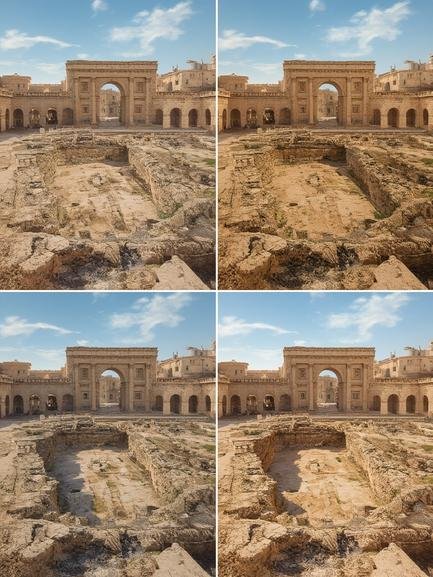
Begin your cultural exploration at the National Museum of Moroccan Heritage (formerly Archaeological Museum), where chronologically arranged exhibits allow you to trace Morocco’s development from prehistoric times through Islamic golden ages. Don’t miss the exceptional bronze sculptures from Volubilis in the Roman section—arrive early for this popular exhibit.
Next, walk ten minutes to the Mohammed VI Museum of Modern and Contemporary Art, where Rabat museums reach their contemporary zenith. The ground floor often features rotating international exhibitions, while the upper levels showcase the evolution of Moroccan art from the independence era to present day. The rooftop café offers excellent views and a perfect mid-tour refreshment break.
In the afternoon, take a taxi to the Oudayas Museum of Moroccan cultural heritage, housed in a 17th-century residence featuring traditional crafts, jewelry, and textiles. The attached Andalusian gardens provide a serene setting to reflect on Morocco’s artistic traditions. Complete your day at the Bank Al-Maghrib Museum, which tells Morocco’s economic history through its currency, including rare coins dating back to the Roman occupation.
Nearby Attractions, Food & Accommodation
After your museum visits, explore the adjacent Kasbah of the Udayas with its narrow blue and white streets reminiscent of Santorini. The nearby Chellah necropolis combines Roman ruins with medieval Islamic architecture in a lush garden setting. For authentic Moroccan cuisine, try Le Ziryab near the Mohammed VI Museum, offering traditional tagines (80-120 MAD) in an elegant setting, or the more budget-friendly Café Maure in the Kasbah (30-60 MAD) with spectacular ocean views.
For accommodations, Riad Kalaa in the medina offers authentic Moroccan luxury (1,200-1,800 MAD/night), while Hotel Rabat provides comfortable mid-range options (600-800 MAD/night). Budget travelers should consider Medina Hostel (150-200 MAD/night), located within walking distance of several museums.
Travel Tips & Common Mistakes to Avoid
Many visitors make the mistake of attempting to see all museums in a single day, which leads to museum fatigue and surface-level appreciation. Instead, spread your visits across at least two days, focusing on contrasting collections each day. Another common error is failing to check special exhibition schedules—the Mohammed VI Museum frequently hosts world-class temporary exhibitions not included in the permanent collection information.
Photography policies vary significantly between institutions—always check at the entrance rather than assuming. The Archaeological Museum prohibits flash photography, while the Bank Al-Maghrib Museum requires a special permit for any photography. Most importantly, avoid visiting museums on Mondays, when almost all are closed for maintenance—a disappointment for many first-time visitors.
Conclusion
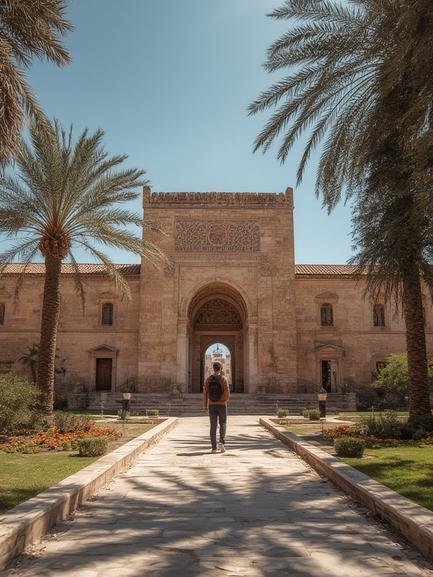
The Rabat museums represent much more than mere collections of artifacts—they embody Morocco’s ongoing dialogue between its ancient past and dynamic future. From prehistoric tools to cutting-edge installations, these institutions offer visitors a multi-dimensional understanding of Morocco that goes far beyond typical tourist experiences. By exploring these carefully curated spaces, you’ll gain profound insights into the Moroccan cultural heritage that continues to influence contemporary North African identity. I encourage you to allocate sufficient time in your Morocco itinerary to fully appreciate these cultural treasures. Have you visited any of Rabat’s museums? Share your experience in the comments below or explore our related guides to Morocco’s imperial cities!
FAQs
How much time should I allocate to visit Rabat’s main museums?
Ideally, plan for two full days to properly explore the major museums without rushing. The Mohammed VI Museum and Archaeological Museum each deserve at least 2-3 hours, while smaller institutions like the Oudayas Museum require approximately 1-1.5 hours.
Are Rabat’s museums wheelchair accessible?
The Mohammed VI Museum offers complete wheelchair accessibility with elevators and ramps. The Archaeological Museum has partial accessibility with ground floor exhibits fully accessible but limited access to upper floors. The Oudayas Museum presents significant challenges for wheelchair users due to its historic architecture.
Are guided tours available in English?
Yes, most major museums offer guided tours in English, though these often require booking 24 hours in advance. The Mohammed VI Museum provides regular English tours at 11:00 AM and 3:00 PM daily without prior reservation during peak season.
Is photography allowed in Rabat’s museums?
Photography policies vary by institution. Non-flash photography is permitted in most areas of the Mohammed VI Museum and parts of the Archaeological Museum. The Bank Al-Maghrib Museum and certain special exhibitions prohibit photography entirely. Always check specific policies at each entrance.