
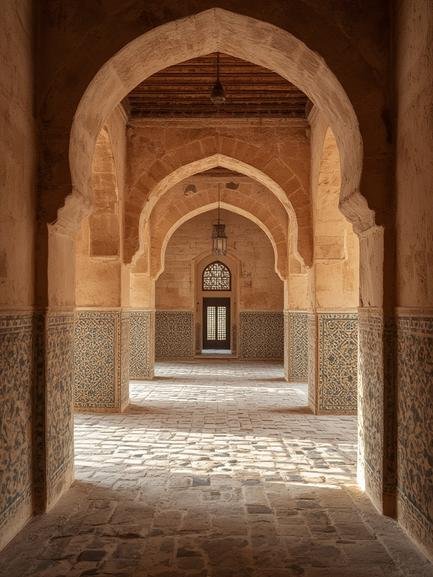


Have you ever wandered through a garden that whispers tales from centuries past? In Morocco’s capital city lies one of North Africa’s most exquisite botanical treasures waiting to be explored. The Andalusian gardens of Rabat offer visitors a serene escape from urban bustle while showcasing the magnificent heritage of Islamic garden design. These meticulously manicured grounds, with their geometrical layouts and aromatic plants, provide not only a feast for the senses but also a living museum of Islamic garden architecture that has influenced landscapes across multiple continents.
Whether you’re a history enthusiast, nature lover, or photographer seeking perfect compositions, this verdant haven promises a refreshing perspective on Moroccan cultural heritage.
History & Cultural Background

The gardens trace their conceptual origins to the 12th century, when Andalusian garden traditions crossed the Mediterranean with Muslim craftsmen fleeing the Reconquista in Spain. However, the current incarnation was created in the early 20th century during the French Protectorate period (1912-1956). French landscape architect Jean-Claude Nicolas Forestier designed these gardens in 1914, blending traditional Andalusian-Moorish aesthetics with modern landscaping techniques.
The gardens reflect the profound influence of Hispano-Moorish civilization that flourished in medieval Iberia, incorporating elements from Roman, Persian, and indigenous North African garden traditions. This cultural fusion created a distinctive style characterized by symmetry, water features, and fragrant plantings—all organized according to the Islamic paradise garden concept known as “chahar bagh” (four gardens), symbolizing the four rivers of paradise mentioned in the Quran.
Architectural Highlights & Key Features
What makes these gardens truly spectacular is their harmonious blending of natural elements with architectural precision. Central to the design is water—flowing through narrow channels (seguias), collecting in reflecting pools, and dancing from ornate fountains. These water features serve both practical irrigation purposes and create a cooling microclimate within the garden.
Geometric pathways of zellige (Moroccan mosaic tilework) crisscross the gardens, dividing spaces into symmetrical plots filled with citrus trees, palms, and flowering plants. Decorative elements include intricately carved stucco archways, cedar wood pergolas, and hand-painted ceramic pots. Unlike European formal gardens that often emphasize open vistas, the Andalusian style creates intimate spaces and surprising reveals as visitors progress through different garden rooms.
Similar design principles can be found in Spain’s Alhambra in Granada and the Alcazar of Seville, though Rabat’s version uniquely incorporates native Moroccan plant species and adaptation to the local climate.
Best Time to Visit & Practical Information
The ideal time to experience these gardens is during spring (April-May), when citrus trees blossom and roses bloom, or autumn (September-October), when temperatures cool and crowds thin. Summer visits are best planned for early morning (8-10am) or late afternoon (4-6pm) to avoid midday heat.
The gardens are open daily from 8:00am to 6:30pm (October-March) and 8:00am to 8:00pm (April-September). Entry costs just 10 dirhams (approximately $1 USD). No specific dress code exists, though modest clothing is appreciated, as with most public spaces in Morocco.
Reaching the gardens is straightforward—located adjacent to the Royal Palace and Oudayas Kasbah, they’re accessible by taxi from anywhere in Rabat. The tramway’s Bab El Had stop places you within a 10-minute walk of the entrance.
Step-by-Step Exploration Guide
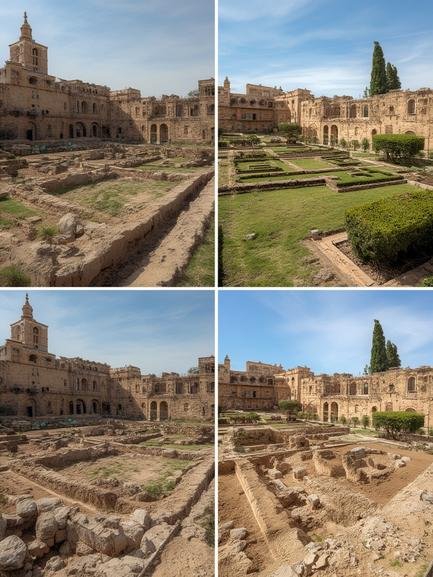
1. Main Entrance Plaza: Begin at the grand entrance where intricate zellige mosaics welcome visitors. Take a moment to appreciate the traditional craftsmanship before proceeding.
2. Central Canal: Follow the main water channel that runs through the heart of the Rabat Andalusian gardens. This is the garden’s defining feature and best spot for classic photographs.
3. Rose Garden Section: Veer right to discover collections of Damask roses, historically prized for perfume production. Morning visitors might catch gardeners collecting petals for rosewater.
4. Citrus Orchard: Continue to the geometric groves of orange, lemon, and bitter orange trees that provide year-round structure to the landscape and delightful fragrance during blooming season.
5. Observation Pavilion: Climb to this elevated viewpoint for panoramic garden vistas and excellent photo opportunities of the Islamic garden architecture. Time your visit for golden hour lighting.
6. Herb Garden: Finish in this sensory section featuring medicinal and culinary plants traditional to Moroccan culture, including mint, verbena, and rosemary.
Nearby Attractions, Food & Accommodation
After exploring the gardens, visit the adjacent Oudayas Kasbah with its narrow blue-and-white streets and spectacular ocean views. The Archaeological Museum and Hassan Tower are within 20 minutes’ walking distance.
For authentic Moroccan cuisine, try Dinarjat (high-end traditional dining in a restored riad) or the more budget-friendly Dar El Medina, serving tagines and couscous. Don’t miss sampling mint tea at Café Maure inside the Oudayas Kasbah, offering cliffside views over the Bou Regreg river.
Stay at Riad Kalaa in the medina for luxury accommodations in a restored 18th-century building, or Hotel Belere for mid-range comfort near the modern city center.
Travel Tips & Common Mistakes to Avoid
- Don’t rush through—these gardens reward slow exploration and contemplation.
- Bring a water bottle, especially in warmer months, as drink vendors are limited.
- Visit on weekdays to avoid local weekend crowds.
- Photography is permitted, but be respectful of other visitors seeking tranquility.
- Wear comfortable shoes, as pathways are sometimes uneven.
- Consider hiring a local guide for deeper insights into the botanical and cultural significance.
Conclusion
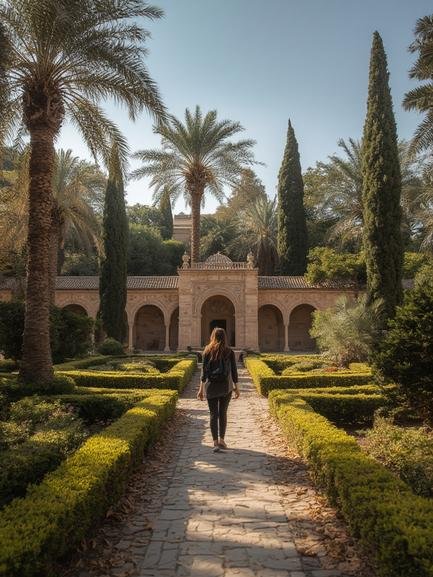
The Rabat Andalusian gardens represent far more than a beautiful green space—they embody centuries of cultural exchange, artistic refinement, and botanical knowledge passed down through generations. As you walk these paths once trod by royalty and master gardeners, you experience a living connection to Morocco’s diverse heritage and the sophisticated Islamic garden architecture traditions that continue to influence garden design worldwide. Make time in your Moroccan itinerary for this verdant oasis—it offers both a peaceful respite from urban exploration and profound insights into the aesthetic principles that have shaped North African culture. Have you visited these magnificent gardens? Share your experience in the comments below, or explore our other guides to Morocco’s imperial cities!
FAQs
How much time should I allocate for visiting the Andalusian Gardens?
Most visitors spend 1-2 hours exploring the gardens, though plant enthusiasts and photographers might want longer.
Are the gardens accessible for people with mobility limitations?
Most main pathways are accessible, though some smaller garden sections have steps. Wheelchairs can navigate approximately 70% of the gardens.
Can I bring food for a picnic in the gardens?
Small snacks are generally tolerated, but formal picnicking is discouraged. Consider enjoying refreshments at nearby cafés instead.
Is there a guided tour available for the gardens?
Official guides can be hired at the entrance for approximately 100-150 dirhams per hour, offering detailed botanical and historical information.
What’s the best way to combine visiting the gardens with other Rabat attractions?
Plan to visit the gardens, Oudayas Kasbah, and the Bou Regreg riverfront in the same morning or afternoon, as they form a natural geographic cluster.