
Welcome to the heart of Moroccan hospitality and tradition. When visiting Morocco’s elegant capital, experiencing Mint tea Rabat is not just about sipping a beverage—it’s about immersing yourself in a centuries-old ritual that embodies the soul of Moroccan culture. This sweet, aromatic drink is central to daily life, social gatherings, and business meetings across the country. In Rabat, you’ll find some of the most authentic experiences of Moroccan tea ceremony set against the backdrop of a city that perfectly blends modernity with tradition.
Whether you’re relaxing in a traditional riad, visiting a local family, or seated at a café overlooking the Atlantic, the ceremonial preparation and serving of mint tea represents the pinnacle of Moroccan hospitality.
History & Cultural Background
Mint tea has a rich history in Morocco dating back to the 18th century when tea was introduced to the country through trade with Europe, particularly Britain. The Moroccans made it their own by adding fresh mint leaves and generous amounts of sugar, creating what is now considered the country’s national drink.
In Rabat, the tradition has particularly flourished since it became the capital in 1912. The preparation and serving of mint tea follow specific rituals that have been passed down through generations. The tea is typically made with Chinese gunpowder green tea, fresh mint leaves (preferably spearmint), and sugar. The process involves rinsing the tea leaves, brewing them with boiling water, adding mint and sugar, and then the dramatic “high pour” – pouring the tea from a height to create a foam on top, which is considered a sign of quality and expertise.
The social significance of mint tea in Moroccan culture cannot be overstated. It’s offered to guests upon arrival as a sign of welcome, served after meals, and consumed throughout the day. The saying “The first glass is as gentle as life, the second is as strong as love, the third is as bitter as death” refers to the three traditional glasses of increasingly strong tea served during a sitting.
Architectural Highlights & Key Features
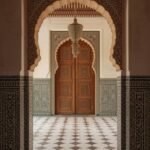
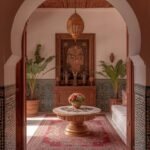
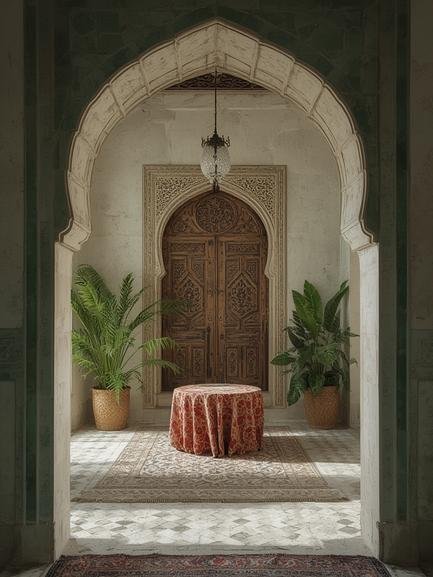
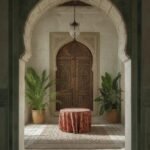
While mint tea itself doesn’t have architectural elements, the settings in which you can enjoy this tradition in Rabat are architecturally significant. Traditional teahouses in Rabat often feature intricate zellige tilework, carved cedar wood ceilings, and colorful stained-glass windows that filter sunlight into mesmerizing patterns.
The Medina (old town) of Rabat houses numerous cafés and teahouses built in traditional Moroccan style, with arched doorways, interior courtyards, and fountain-centered patios. Some feature rooftop terraces that offer panoramic views of the city while you sip your mint tea.
The Kasbah des Oudaias, a UNESCO World Heritage site, is home to the famous Café Maure, a blue-and-white teahouse perched on the edge of the cliff overlooking the Atlantic Ocean and the Bou Regreg river—one of the most picturesque spots to enjoy mint tea in the entire country.
For contrast, modern tea lounges in Rabat’s Ville Nouvelle (new city) often blend contemporary design elements with traditional Moroccan aesthetics, creating spaces that honor the tea tradition while embracing modern comfort.
Best Time to Visit & Practical Information
Mint tea is served year-round in Rabat, but your experience might vary seasonally:
– Spring (March-May) and Fall (September-November) offer the most pleasant climate for outdoor tea-drinking at cafés and rooftop terraces.
– Summer (June-August) is hot, but mint tea is still popular—many Moroccans believe hot tea helps cool the body through increased perspiration.
– Winter (December-February) provides a cozy atmosphere for enjoying hot mint tea indoors.
Most cafés and teahouses are open from around 8:00 AM until 10:00 PM or later. Prices for mint tea range from 10-15 dirhams (approximately $1-1.50) at local cafés to 25-40 dirhams ($2.50-4.00) at upscale establishments or tourist locations.
No special dress code is required for most teahouses, though modest clothing is appreciated, especially in more traditional establishments. For transportation, taxis are plentiful and affordable, while the tram system provides convenient access to many popular areas where you can enjoy mint tea.
Step-by-Step Exploration Guide
Follow this route to experience the best of Mint tea Rabat throughout the city:
1. Start your morning at Café Maure in the Kasbah des Oudaias. Arrive early (around 9:00 AM) to avoid crowds and secure a seat with the best views of the Atlantic. Watch closely as your server performs the traditional Moroccan tea ceremony, pouring the tea from an impressive height to create the desired froth.
2. Mid-morning (around 11:00 AM), head to Rue des Consuls in the Medina for shopping and another tea break. Several small cafés here offer authentic experiences away from tourist crowds.
3. For lunch, visit a traditional restaurant in the Medina like Dar Rbatia, where you can enjoy Moroccan cuisine followed by mint tea served the traditional way.
4. In the afternoon, explore the modern side of the city and stop at Café Renaissance near the Parliament building, where locals and politicians gather to discuss matters over tea.
5. End your day (around sunset) at one of the rooftop cafés near Rabat Beach, where you can watch the sun go down over the Atlantic while enjoying a final glass of mint tea.
For the most authentic experience, look for places where:
– The server pours the tea from a height (at least 12 inches above the glass)
– Silver teapots and colorful tea glasses are used
– Fresh mint leaves are visible in your glass
– The tea is poured three times (pouring it back into the pot twice to mix the flavors before the final serving)
Nearby Attractions, Food & Accommodation
Nearby Attractions:
– Hassan Tower and Mausoleum of Mohammed V (10-minute walk from Café Renaissance)
– Chellah Necropolis (ancient Roman ruins, 15-minute taxi ride from the Medina)
– Rabat Archaeological Museum (5-minute walk from Parliament)
– Royal Palace (exterior viewing only; 20-minute walk from Kasbah)
Food Options:
– Budget: Snack Aya (local street food with mint tea)
– Mid-range: Dar Naji (traditional Moroccan cuisine)
– Upscale: Le Dhow (floating restaurant on the Bou Regreg river)
Accommodation:
– Budget: Riad Meftaha (traditional guesthouse in the Medina)
– Mid-range: Riad Kalaa (boutique hotel with a beautiful courtyard for tea)
– Luxury: Sofitel Jardin des Roses (five-star hotel with Moroccan-inspired gardens)
Travel Tips & Common Mistakes to Avoid
Common Mistakes:
– Refusing mint tea when offered by locals (considered impolite)
– Drinking tea too quickly (it’s meant to be sipped slowly and savored)
– Expecting unsweetened options (traditional Moroccan mint tea is very sweet)
– Using your left hand to hold your glass (in Moroccan culture, the right hand is preferred)
– Missing the tea preparation process (ask if you can watch the preparation)
Practical Tips:
– Learn a few basic Arabic phrases related to tea, such as “shukran” (thank you) and “atay b’nahna” (mint tea)
– The tea is traditionally very sweet; if you prefer less sugar, request “atay bla sukkar bezaf” (tea without much sugar)
– Photography is usually permitted in cafés, but always ask permission before taking photos of the staff
– Tipping is not required but appreciated (5-10 dirhams is sufficient)
– Take time to observe and mimic locals’ behavior regarding tea etiquette
Conclusion
The experience of Mint tea Rabat offers more than just a delicious beverage—it provides a window into the soul of Moroccan culture and hospitality. From the methodical preparation to the ceremonial serving and the social context in which it’s enjoyed, mint tea embodies the warmth and generosity that Moroccans are known for worldwide. As you explore Rabat’s historic medina, grand monuments, and scenic coastline, pausing for the Moroccan tea ceremony creates moments of connection and contemplation that will remain among your most cherished memories of Morocco. Whether you’re a tea enthusiast or a cultural explorer, take the time to slow down, observe, and participate in this centuries-old tradition that continues to bring people together in Morocco’s elegant capital city.
FAQs
How long does a traditional mint tea ceremony in Rabat typically take?
A proper Moroccan mint tea ceremony can take anywhere from 15 to 30 minutes, including preparation and the traditional three rounds of tea. It’s meant to be a leisurely experience, not rushed.
Is it safe to drink mint tea from street vendors in Rabat?
Generally, it’s safe as the water is boiled thoroughly during preparation. However, for those with sensitive stomachs, stick to established cafés and restaurants rather than street vendors.
Can I request mint tea without sugar in Rabat?
Yes, though it’s not traditional. Ask for “atay bla sukkar” (tea without sugar) or “atay b’shwiya sukkar” (tea with a little sugar). Be aware that even the less-sweet version may be sweeter than you’re accustomed to.
Is it appropriate for women to visit teahouses alone in Rabat?
Rabat is one of Morocco’s most progressive cities, and many cafés and teahouses are perfectly appropriate for women traveling alone. Stick to more upscale or tourist-friendly establishments if you’re concerned. Café Maure in the Kasbah and cafés in the Ville Nouvelle are good options.
What’s the proper etiquette for drinking mint tea in Rabat?
Hold the glass with your right hand, sip slowly, and don’t refuse when offered (though you don’t have to finish it). It’s polite to compliment the tea and thank the server or host. If invited into a home, accepting at least one glass of tea is considered proper etiquette.