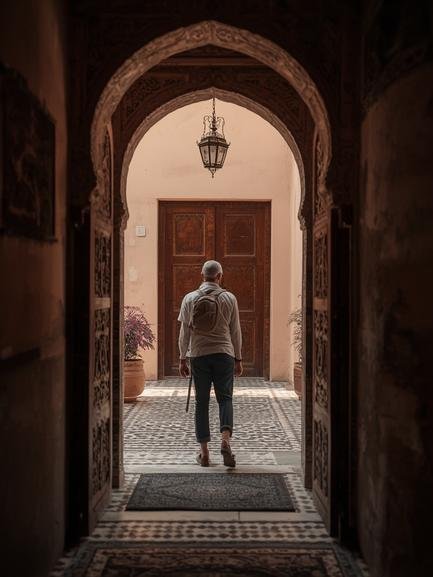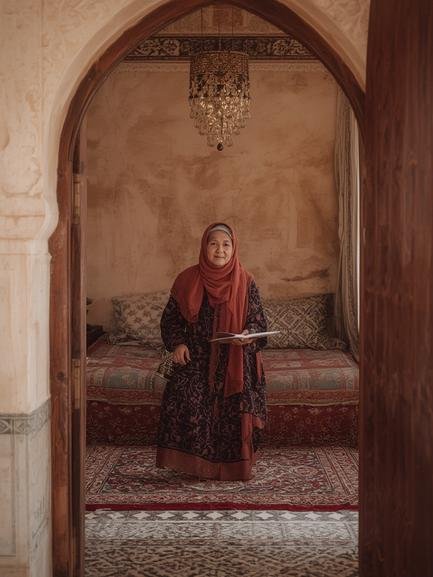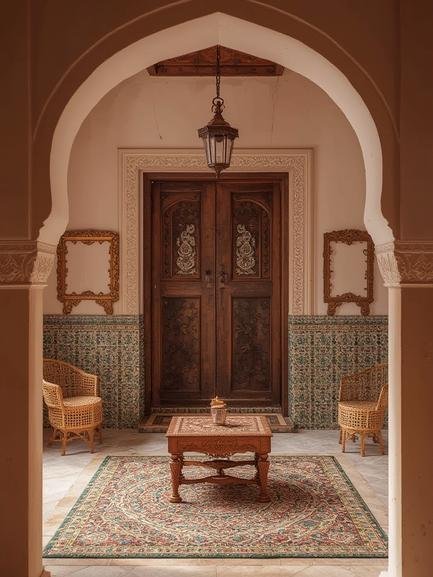

Morocco’s capital city offers a perfect blend of history, culture, and modernity that captivates travelers from around the world. Rabat travel blogs have become an essential resource for visitors planning to explore this coastal gem, providing authentic perspectives on everything from the UNESCO-listed Kasbah of the Udayas to the vibrant souks and tranquil beaches. While many tourists focus on Marrakech or Fes, Morocco travel guides increasingly highlight Rabat’s charm and accessibility as a less crowded but equally rewarding destination.
Whether you’re seeking historical insights or practical travel tips, these firsthand accounts offer the perfect starting point for your Moroccan adventure.
History & Cultural Background
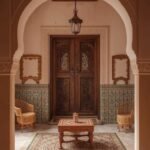
Founded in the 12th century by the Almohad ruler Abd al-Mu’min, Rabat (meaning “fortified place”) has evolved from a military settlement to a sophisticated imperial city. The city gained prominence in the 17th century under the Alaouite dynasty and was established as Morocco’s capital during the French Protectorate era in 1912. This status was maintained after independence in 1956.
Rabat’s cultural tapestry weaves together Berber, Arab, Andalusian, and French influences, creating a unique identity. The city earned UNESCO World Heritage status in 2012, recognizing its exceptional preservation of modern and historic urban planning. The cultural landscape reflects various periods of Moroccan history:
– The medieval Almohad era (Kasbah of the Udayas, Hassan Tower)
– The 17th-century Andalusian influenced architecture
– The French Protectorate period’s urban design
– Contemporary royal projects enhancing the city’s cultural prestige
This rich historical background is what makes Rabat an exceptional destination for cultural tourism, offering visitors insights into Morocco’s diverse heritage.
Architectural Highlights & Key Features
Rabat boasts an impressive array of architectural wonders spanning several centuries of Moroccan history:
Hassan Tower and Mohammed V Mausoleum Complex: The incomplete 12th-century minaret stands as a testament to Almohad ambition. Nearby, the modernist mausoleum housing the tombs of Mohammed V and Hassan II represents contemporary Moroccan craftsmanship at its finest, with intricate zellige tilework, carved cedar ceilings, and marble columns.
Kasbah of the Udayas: This fortified medieval citadel features iconic blue and white painted streets, an Andalusian garden, and stunning views over the Atlantic Ocean and Bou Regreg River. The ornate gate (Bab Oudaia) showcases masterful Almohad stonework.
Chellah Necropolis: This fascinating site layers Roman ruins beneath a medieval Islamic necropolis, surrounded by gardens now home to nesting storks – creating a uniquely atmospheric experience.
Royal Palace: While its interior remains closed to the public, the palace’s exterior exemplifies Moroccan ceremonial architecture with its imposing walls, grand entrance, and ceremonial guards.
Ville Nouvelle: The French-designed “New City” features wide boulevards, art deco buildings, and the Cathedral of St. Peter, demonstrating the colonial architectural influence that complements the traditional medina.
These architectural treasures showcase Morocco’s ability to preserve its heritage while embracing modernity – a balance that defines Rabat’s unique character.
Best Time to Visit & Practical Information
Optimal Seasons:
– Spring (April-May) and fall (September-October) offer ideal temperatures (65-75°F/18-24°C) and fewer tourists
– Summer (June-August) brings warmth but can be hot and crowded with domestic tourists
– Winter (November-March) offers mild weather (55-65°F/13-18°C) with occasional rain but quieter sightseeing
Key Visitor Information:
– Currency: Moroccan Dirham (MAD) – approximately 10 MAD = 1 USD
– Language: Arabic and French are official; English is increasingly spoken in tourist areas
– Dress Code: Modest attire recommended, especially when visiting religious sites
– Operating Hours: Most historical sites open 9:00 AM–5:00 PM (winter) or 9:00 AM–6:00 PM (summer), closed or limited hours on Fridays
– Entry Fees:
– Hassan Tower/Mohammed V Mausoleum: Free
– Kasbah of the Udayas: 70 MAD
– Chellah Necropolis: 70 MAD
– Royal Palace: Exterior viewing only
Transportation:
– From Casablanca Mohammed V Airport: Train to Rabat (1 hour)
– Within Rabat: Trams, petit taxis (blue), and ride-sharing services
– To neighboring Sale: Ferry across the Bou Regreg River
Tipping: 10-15% in restaurants; round up for taxis; small tips for guides and hotel staff appreciated
Step-by-Step Exploration Guide
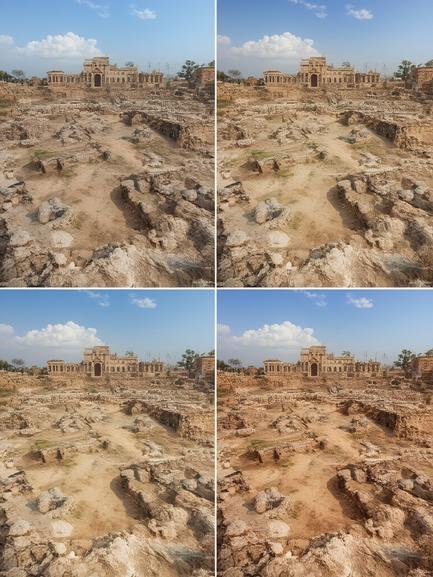
Follow this optimized itinerary to experience the best of Rabat in two full days:
Day 1: Historical Rabat
1. Morning: Begin at the Hassan Tower and Mohammed V Mausoleum complex (2-3 hours)
– Arrive early to avoid crowds and capture the best photos
– Join a guided tour to understand the historical significance
– Don’t miss the changing of the guard ceremony at the mausoleum
2. Midday: Explore the Kasbah of the Udayas (2 hours)
– Wander the picturesque blue and white alleyways
– Visit the Andalusian Gardens
– Stop at Café Maure for traditional mint tea overlooking the river
3. Afternoon: Discover the Chellah Necropolis (2 hours)
– Allow time to explore both Roman and Islamic ruins
– Visit during spring to see nesting storks
– Many Rabat travel blogs recommend visiting near sunset for magical lighting and photographs
Day 2: Modern Rabat & Cultural Experiences
1. Morning: Wander through the Medina (2-3 hours)
– Navigate the labyrinthine streets and souks
– Shop for traditional crafts like Rabat carpets and ceramics
– Sample local street food like msemen (flatbread) and harira (soup)
2. Midday: Visit the Villa des Arts or Mohammed VI Museum of Modern Art (1-2 hours)
– Experience Morocco’s vibrant contemporary art scene
– The museums offer air-conditioned respite during hot afternoons
3. Afternoon: Stroll through the Ville Nouvelle and along Mohammed V Avenue
– Admire the colonial architecture
– Visit the Parliament building and Royal Palace exterior
– Explore Jardin d’Essais Botaniques for a peaceful green retreat
As Morocco travel guides frequently mention, this balanced itinerary allows you to experience both historical and contemporary Rabat while avoiding the common mistake of rushing through attractions.
Nearby Attractions, Food & Accommodation
Day Trips from Rabat:
– Sale (across the river): Visit the Great Mosque and traditional pottery workshops
– Temara Beach: Relax at this popular local beach (15 minutes by car)
– Casablanca: Morocco’s largest city is just one hour by train
– Meknes and Volubilis: Ancient Roman ruins and an imperial city (2 hours by train)
Where to Eat:
– Luxury: Dar Naji (traditional Moroccan in upscale setting)
– Mid-range: Le Dhow (restaurant on a boat with river views)
– Budget: Restaurant Yamal Acham (excellent Syrian/Lebanese food)
– Must-try local dishes: Tajine, couscous, pastilla, and fresh seafood
Where to Stay:
– Luxury: Sofitel Jardin des Roses or La Tour Hassan Palace
– Mid-range: Riad Dar El Kebira or Hotel des Oudaias
– Budget: Medina Hostel or Dar Zouhour
– Location tip: Stay in the medina for atmosphere or Agdal district for modern conveniences
Shopping Highlights:
– Rue des Consuls for traditional crafts
– Oulja Pottery Complex for ceramics
– Central Market for fresh produce and local interaction
Travel Tips & Common Mistakes to Avoid
Smart Travel Tips:
1. Transportation Savvy:
– Use the efficient tram system (tickets cost 6 MAD)
– Negotiate taxi fares before entering (start at 50-60% of initial quote)
– Download offline maps as navigation backup
2. Cultural Awareness:
– Dress modestly (shoulders and knees covered) for religious sites
– Ask permission before photographing locals
– Learn basic Arabic greetings (Salam Alaikum, Shukran)
3. Money Matters:
– Carry small denominations for markets and taxis
– Most places accept cash only (ATMs widely available)
– Expect to pay tourist prices in the medina; gentle bargaining is expected
Common Mistakes to Avoid:
1. Skipping Rabat entirely – Many tourists bypass the capital for Marrakech or Fes, missing Rabat’s unique charm and fewer crowds
2. Not allocating enough time – Rushing through attractions in a half-day visit
3. Visiting attractions during prayer time (especially Friday afternoon)
4. Overpaying for guided tours when many sites have good information panels
5. Eating only in tourist restaurants instead of trying local establishments
Conclusion
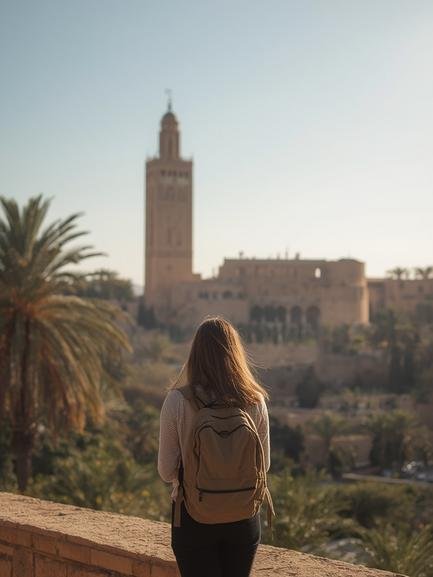
Rabat offers a perfect introduction to Morocco’s rich tapestry of culture, history, and contemporary life. Its manageable size, diverse attractions, and relatively relaxed atmosphere provide travelers with an authentic experience without the overwhelming intensity sometimes found in other Moroccan cities. Rabat travel blogs consistently highlight the city’s unique blend of medieval kasbahs, colonial boulevards, and modern cultural institutions, creating a multifaceted destination that rewards curious explorers.
Whether you’re wandering through the blue-washed alleys of the Kasbah, contemplating the unfinished grandeur of Hassan Tower, or sampling fresh seafood along the Atlantic coast, Rabat offers countless moments of discovery. As Morocco travel guides increasingly emphasize, this underappreciated capital deserves at least two full days of exploration. So before rushing off to Morocco’s more famous destinations, give yourself time to experience Rabat’s distinctive charm – you’ll find yourself among a growing number of travelers who count it among their favorite Moroccan memories.
FAQs
Is Rabat safe for tourists?
Rabat is generally considered one of the safest cities in Morocco. As the capital and administrative center, it has a significant security presence and lower levels of tourist harassment than some other Moroccan destinations. Standard travel precautions apply – watch for pickpockets in crowded areas, avoid isolated places after dark, and women should consider modest dress to reduce unwanted attention.
How many days should I spend in Rabat?
Two full days is the minimum recommended time to properly experience Rabat’s major attractions. Three days would allow a more relaxed pace and the possibility of including a day trip to nearby Sale or Temara Beach. Many visitors regret allocating only a half-day to the city.
Do I need a guide to visit Rabat’s attractions?
While not essential, local guides can enrich your understanding of sites like the Kasbah and Chellah Necropolis with historical context and cultural insights. Official guides can be arranged through hotels or the tourist office, with prices around 200-300 MAD for a half-day tour. Major sites also have informative signage in multiple languages.
Can I take photographs at Rabat’s main attractions?
Photography is permitted at most attractions, including Hassan Tower, the Kasbah, and Chellah. However, avoid photographing military installations, the Royal Palace interior areas, or people without permission. Some museums may restrict flash photography or tripods.
What should I wear when visiting Rabat?
Rabat is relatively cosmopolitan, but modest dress is still appreciated, especially in traditional areas. For religious sites like the Hassan II Mosque, shoulders and knees should be covered for both men and women. In summer, light, breathable fabrics are recommended, with layers for cooler evenings and air-conditioned buildings.