
Morocco’s capital city offers a perfect blend of history, culture, and coastal charm that deserves proper exploration. Planning a Rabat 5 day itinerary allows visitors to immerse themselves in this often-overlooked gem without rushing through its magnificent sites. Unlike the more tourist-heavy destinations of Marrakech or Fez, Rabat provides a more authentic experience of Moroccan life while still offering stunning architecture, delicious cuisine, and fascinating historical attractions. With five full days, you’ll have time to explore the medina, relax on Atlantic beaches, discover ancient ruins, and enjoy the city’s pleasant pace – all while having time for day trips to nearby destinations.
History & Cultural Background
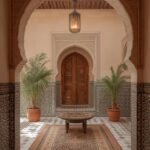
Rabat’s history stretches back to the 3rd century BCE when it was a Phoenician settlement. The city truly began to flourish in the 12th century under the Almohad Caliphate, when Sultan Abd al-Mu’min established a kasbah to launch campaigns against Spain. The name “Rabat” comes from the Arabic “Ribat al-Fath,” meaning “Fortress of Victory.” In the 17th century, Rabat became home to Andalusian Muslims fleeing Spain, who brought distinctive architectural styles and cultural influences.
After becoming the capital of the French Protectorate in 1912, Rabat developed into a planned city with wide boulevards and administrative buildings. Since Morocco’s independence in 1956, Rabat has continued as the capital, earning UNESCO World Heritage status in 2012 for its unique blend of modern urban planning alongside preserved historic monuments.
Architectural Highlights & Key Features
Rabat showcases an extraordinary architectural mosaic spanning nearly ten centuries. The city’s crown jewel is the Hassan Tower, an incomplete 12th-century minaret intended to be the world’s largest mosque. Nearby stands the stunning Mausoleum of Mohammed V, exemplifying modern Moroccan architecture with its white marble, intricate zellige tilework, and carved cedar ceilings.
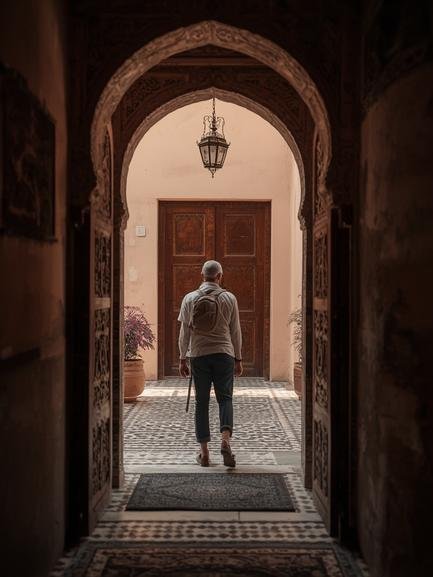
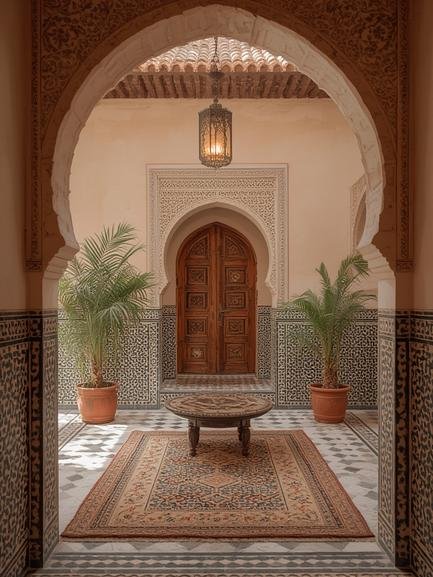
The Kasbah of the Udayas offers remarkable Andalusian-influenced design with its iconic blue and white streets, while the Chellah ruins blend Roman and Islamic architectural elements in a serene setting. The Royal Palace (Dar al-Makhzen) showcases imposing brass doors and meticulous craftsmanship, though visitors can only admire its exterior. The medina, smaller and more navigable than those in other Moroccan cities, features traditional riads with interior courtyards, intricate woodwork, and colorful marketplaces that reflect authentic Moroccan urban design.
Best Time to Visit & Practical Information
The ideal time to execute your Rabat 5 day itinerary is during spring (April-May) or fall (September-October) when temperatures are pleasant, ranging from 65-80°F (18-27°C). Summer months (June-August) can be hot and humid, while winter (November-February) brings occasional rain but mild temperatures around 55-65°F (13-18°C).
Most historic sites operate from 9am-6pm (4:30pm in winter), with many closing for Friday prayers from 11:30am-3pm. The Hassan Tower complex and Kasbah are free to enter, while the Chellah ruins cost approximately 70 MAD ($7 USD). Rabat’s efficient tram system (6 MAD per ride) connects major attractions, and blue petit taxis are plentiful and inexpensive within the city.
Modest dress is recommended, particularly when visiting religious sites. Women should carry a scarf to cover shoulders or hair when appropriate. The local currency is the Moroccan Dirham (MAD), and while credit cards are accepted at major establishments, having cash is essential for smaller vendors and taxis.
Step-by-Step Exploration Guide
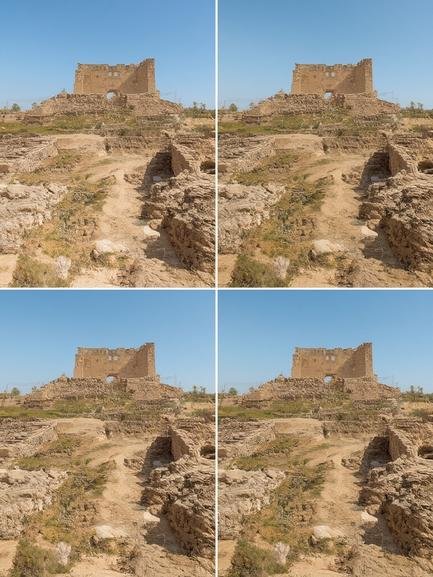
Creating the perfect Rabat 5 day itinerary requires strategic planning to balance city exploration with relaxation and possible day trips. Here’s a comprehensive breakdown:
Day 1: Historic Core
– Morning: Begin at the Hassan Tower and Mohammed V Mausoleum complex, arriving early to avoid crowds
– Afternoon: Explore the nearby Medina, focusing on Rue Souika and Rue des Consuls for artisanal crafts
– Evening: Dinner at a restaurant overlooking Bouregreg River, such as Le Dhow
Day 2: Kasbah and Cultural Immersion
– Morning: Visit the Kasbah of the Udayas and its Andalusian Gardens
– Afternoon: Tour the Museum of Contemporary Art and the Archaeological Museum
– Evening: Stroll along the Corniche at sunset before dinner at La Dhaia
Day 3: Ancient Heritage and Modern Art
– Morning: Explore the Chellah Necropolis, a Roman and Islamic archaeological site
– Afternoon: Visit Villa des Arts and the National Library
– Evening: Enjoy the night atmosphere in the Agdal neighborhood
Day 4: Day Trip to Salé or Beach Day
– Option 1: Cross the river to explore Salé’s authentic medina and the Great Mosque
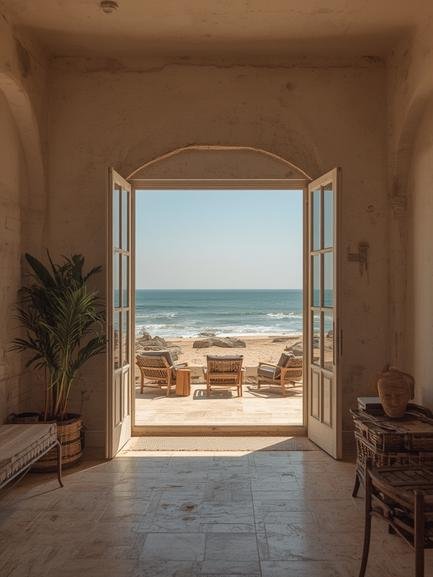
– Option 2: Relax at Plage de Rabat or take a longer trip to the beaches of Temara
– Evening: Shop for souvenirs in the Medina or Ocean quarter
Day 5: Royal Experience and fascinating historical attractions
– Morning: View the exterior of the Royal Palace and visit nearby Royal Gardens
– Afternoon: Tour the Mechouar (royal parade grounds) and Parliament area
– Evening: Farewell dinner at Dinarjat or Le Ziryab, featuring traditional Moroccan cuisine
Nearby Attractions, Food & Accommodation
Nearby Attractions:
– Salé: Rabat’s twin city across the river offers an authentic medina experience without tourist crowds
– Kenitra: 40 minutes north, known for its beautiful beaches and bird sanctuary
– Casablanca: Just one hour away by train, perfect for seeing the Hassan II Mosque
– Meknes: A smaller imperial city reachable in under two hours
Food Recommendations:
– Budget: Café El Bahia for traditional breakfast, Street food at Central Market
– Mid-range: Le Pietri for Moroccan-French fusion, Yamal Acham for Syrian cuisine
– Luxury: Dar Naji for authentic Moroccan tagines, La Maison du Gourmet for fine dining
Accommodation:
– Budget: Riad Meftaha ($30-50/night), Hotel de France
– Mid-range: Riad Kalaa ($80-120/night), Hotel Majliss
– Luxury: Sofitel Jardin des Roses ($200+/night), Villa Mandarine
Travel Tips & Common Mistakes to Avoid
Common Mistakes:
– Rushing through Rabat as a day trip from Casablanca
– Missing the sunset views from the Kasbah
– Visiting the medina during midday heat rather than mornings or evenings
– Forgetting to verify museum closures (many close on Mondays or Tuesdays)
– Neglecting to haggle in shops (expect to pay about 60% of the initial asking price)
Smart Tips:
– Purchase a SIM card at the airport for easy navigation (approximately 100 MAD for 10GB)
– Use the Tramway for efficient transport between major attractions (6 MAD per ride)
– Carry small bills for taxis, which rarely have change
– Visit the Hassan Tower area early morning or late afternoon for the best lighting
– Book guided tours through your riad or hotel for the most authentic experiences
– Learn basic French phrases as they’re more widely understood than English
Conclusion
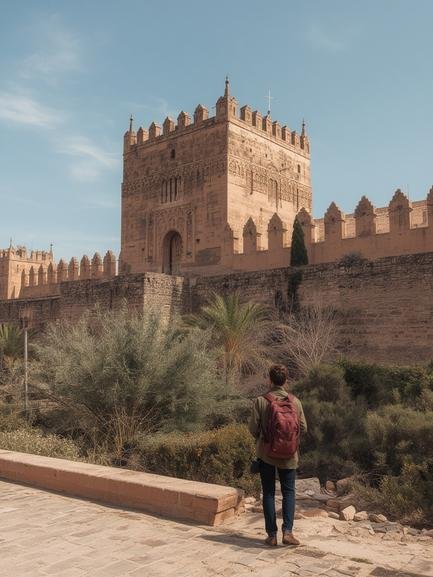
A well-planned Rabat 5 day itinerary offers an unparalleled glimpse into Morocco’s soul without the overwhelming tourist crowds found in other imperial cities. The capital rewards visitors with a perfect balance of historic wonders, coastal beauty, and authentic cultural experiences. From wandering the blue-washed streets of the Kasbah to watching the sunset over the Atlantic, Rabat captivates with its serene charm. This city, with its fascinating historical attractions, provides the ideal introduction to Moroccan culture for first-time visitors while offering enough depth to satisfy seasoned travelers. Don’t rush through Rabat on your way to more famous destinations – give the capital the time it deserves, and it will reveal countless treasures that will become highlights of your Moroccan adventure.
FAQs
Is Rabat safe for tourists?
Rabat is considered one of the safest cities in Morocco. As the capital and administrative center, it has a strong security presence and fewer tourist-targeted scams than more popular destinations. Standard precautions like watching your belongings in crowded areas are sufficient.
How long does it take to see the Hassan Tower complex?
Allow 1-2 hours to properly explore the Hassan Tower, Mohammed V Mausoleum, and surrounding gardens. The site is free to enter and requires no advance booking.
Can I photograph local people in Rabat?
Always ask permission before photographing locals. While many may agree, some consider it disrespectful. Be especially cautious when photographing women or around religious sites.
Is Rabat suitable for families with children?
Absolutely. Rabat’s walkable size, beaches, gardens, and less hectic atmosphere make it more family-friendly than other Moroccan cities. The Jardin Exotique offers a fun break for children, as does the beach area.
Should I book a guide for exploring Rabat?
While not essential due to Rabat’s navigable size, a local guide can significantly enrich your experience, especially for historical sites like Chellah and the Kasbah. Official guides can be arranged through your accommodation or at the tourist office near Hassan Tower.