
Morocco’s capital city boasts a vibrant cultural scene that combines centuries-old traditions with contemporary artistic expressions. Rabat theatre and performance venues provide an intimate window into the soul of Moroccan society, showcasing everything from ancient storytelling traditions to cutting-edge theatrical productions. For visitors seeking authentic cultural experiences, the performing arts in Rabat offer unforgettable encounters with local talent and international collaborations.
Whether you’re drawn to classical Arabic drama, Amazigh folk performances, or experimental shows, Rabat’s theatrical landscape promises rich cultural insights rarely found in typical tourist experiences.
History & Cultural Background
Theatre in Rabat traces its roots to ancient Berber traditions of storytelling and community gatherings. The evolution of performance arts in Morocco’s capital reflects the nation’s complex cultural heritage, blending indigenous Amazigh traditions with Arab, Andalusian, and French influences. By the early 20th century, under the French Protectorate, formal theatre buildings began appearing, introducing Western theatrical conventions while maintaining distinctly Moroccan themes.
The post-independence period (after 1956) saw a theatrical renaissance with the establishment of the National Theatre Mohammed V in 1962, which became a symbol of cultural sovereignty. This iconic institution hosted pioneering Moroccan playwrights who addressed social issues, historical narratives, and political themes relevant to the newly independent nation.
Traditional forms like halqa (street performance in circular gatherings) continued alongside formal theatre, preserving oral traditions where storytellers combined narrative, poetry, music, and movement. Today, Rabat’s theatrical landscape represents this rich continuum from traditional performance forms to contemporary experimental works that address current social realities.
Architectural Highlights & Key Features
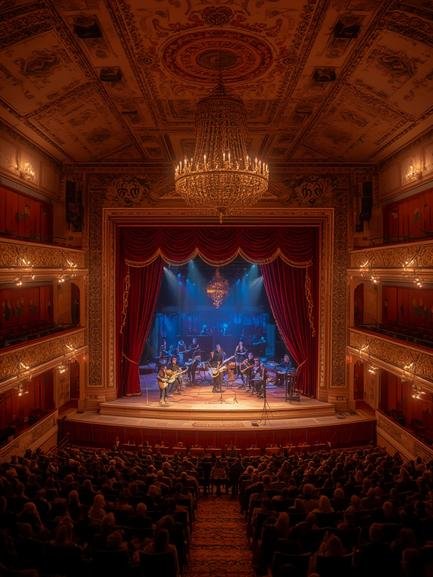
Rabat’s theatrical venues themselves tell a story of cultural evolution and artistic vision. The National Theatre Mohammed V stands as the crown jewel of performance spaces in the capital, featuring a blend of Moorish architectural elements and mid-century modern design. Its grand façade, adorned with traditional geometric patterns and impressive archways, leads to a 1,600-seat main auditorium with exceptional acoustics.
The Renaissance Cultural Complex, completed in 2019, represents Morocco’s contemporary architectural ambitions with its striking design inspired by desert dunes and traditional riads. Its multiple performance spaces incorporate state-of-the-art technology while maintaining distinctly Moroccan aesthetic touches through materials like cedar wood, zellige tilework, and carved plaster.
Smaller venues like Théâtre Aquarium occupy renovated historical buildings, where centuries-old walls house experimental productions. The contrast between traditional architectural elements and modern technical facilities creates unique atmospheric settings for performances that bridge past and present.
The Udayas Complex offers open-air performance spaces where the ancient kasbah walls serve as dramatic backdrops for summer festivals and music performances, merging architectural heritage with living performance traditions.
Best Time to Visit & Practical Information
The most vibrant period for Rabat’s theatre scene runs from October through May, aligning with the main performance season. Summer months (June-August) see fewer regular productions but feature special festivals including the Mawazine World Music Festival and the Rabat Summer Festival that incorporate theatrical elements.
Most performances at major venues begin at 8:00 PM, with ticket prices ranging from 30-200 MAD (approximately $3-20 USD) depending on the venue and production. The National Theatre Mohammed V typically requires advance booking through their website or box office, while smaller venues sometimes offer same-day tickets.
Dress code tends to be smart-casual for major productions at the National Theatre, though formal attire is appreciated for premieres and special events. Smaller venues maintain a more relaxed atmosphere. When attending traditional performances, modest dress showing respect for local customs is recommended.
Public transportation serves most venues well, with the tram system providing convenient access to the city center locations. Taxis are affordable and plentiful, offering an easy option for evening performances when public transportation is less frequent.
Step-by-Step Exploration Guide
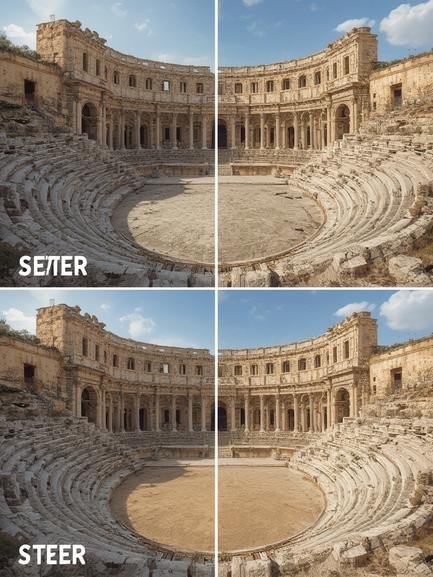
Begin your exploration of Rabat theatre and performance with a morning visit to the National Theatre Mohammed V, even when no performances are scheduled. The building itself deserves attention, and staff often permit visitors to peek into the main auditorium between 10:00 AM and noon. Next, walk to the nearby Udayas Complex where street performers frequently gather in the afternoons, offering a glimpse of traditional performing arts in Rabat.
For lunch, stop at Café de la Renaissance adjacent to the Renaissance Cultural Complex, where performers and directors often gather. The afternoon can be spent visiting smaller venues like:
– Théâtre Aquarium in the Agdal district
– The Cultural Complex of Rabat-Salé
– Studio des Arts Vivants in Hassan district
In the evening, attend a scheduled performance at one of these venues. For the most authentic experience, try to catch both a traditional performance and a contemporary production during your stay. The contrast between styles offers deeper insight into Morocco’s evolving cultural expression.
Don’t miss the hallway exhibitions often found in theatre lobbies, which frequently display costumes, set designs, and historical photographs documenting Rabat’s theatrical heritage.
Nearby Attractions, Food & Accommodation
When exploring Rabat’s theatre scene, you’ll find yourself conveniently positioned to visit other cultural attractions:
– The Archaeological Museum is within a 10-minute walk of the National Theatre
– Chellah Necropolis offers a dramatic backdrop occasionally used for special performances
– Hassan Tower and Mohammed V Mausoleum complex are a short tram ride away
For dining before or after performances, consider:
– Upscale: Dar Naji (Moroccan cuisine) or Le Dhow (floating restaurant with live music)
– Mid-range: Le Pietri (French-Moroccan fusion) or L’Entracte (appropriately named café near the National Theatre)
– Budget-friendly: Café Maure in the Kasbah or street food at Rue des Consuls
Accommodation options strategically positioned for theatre-goers include:
– Luxury: Sofitel Jardin des Roses or Villa Mandarine
– Mid-range: Riad Kalaa or Hotel Belère
– Budget: Medina Hostel or Dar Yanis
Travel Tips & Common Mistakes to Avoid
Many visitors make these common mistakes when exploring Rabat’s performance scene:
– Assuming all performances have English translations: Most productions are in Arabic, French, or Amazigh. Check in advance for subtitles or synopsis sheets in other languages.
– Missing advance bookings: Popular productions often sell out, especially during festivals. Book at least one week ahead.
– Overlooking smaller venues: While the National Theatre gets the spotlight, smaller spaces often showcase more experimental and authentic local productions.
– Being unaware of performance etiquette: Photography is generally prohibited during performances, and mobile phones should be completely silenced.
Practical tips for enhancing your experience:
– Download the “Theatre de Rabat” mobile app for up-to-date listings
– Arrive 30 minutes early to enjoy the architecture and pre-show atmosphere
– Consider hiring a cultural guide who specializes in performing arts for deeper context
– Look for university productions which often offer innovative takes on traditional themes
Conclusion
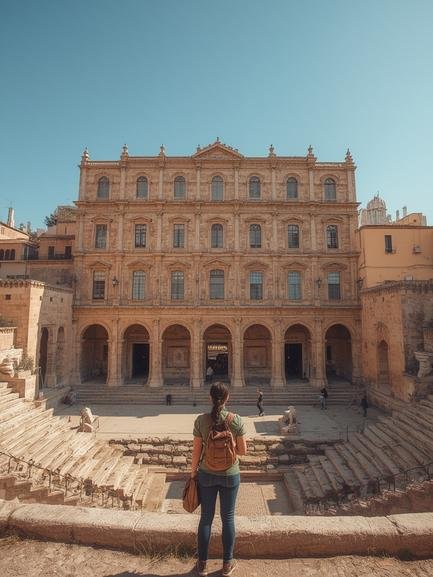
Rabat theatre and performance venues offer travelers a unique lens through which to understand Morocco’s cultural identity, blending centuries-old traditions with contemporary creative expression. Beyond the tourist standards of markets and monuments, these living artistic spaces reveal how Moroccans engage with their heritage and address modern challenges through creative expression. Whether you’re witnessing a traditional storyteller weaving ancient tales or experiencing boundary-pushing contemporary works, the performing arts in Rabat provide authentic cultural connections that resonate long after your journey ends. Plan your visit to coincide with a major festival or the main theatre season, and discover how performance serves as both entertainment and vital cultural dialogue in Morocco’s capital city.
FAQs
How safe is it to attend evening performances in Rabat?
Rabat is generally considered one of Morocco’s safest cities, and theatre districts are well-patrolled. However, it’s advisable to take taxis directly to and from venues for evening performances rather than walking long distances at night.
Are there performances suitable for visitors who don’t speak Arabic or French?
Yes, visual performances like dance, physical theatre, and music concerts can be enjoyed without language comprehension. Additionally, international festivals often include performances with English subtitles or synopsis translations.
What is the typical duration of theatrical performances in Rabat?
Most mainstream productions run 90-120 minutes, often with one intermission. Traditional performances may be shorter (60-90 minutes) while special festival productions can extend to 2-3 hours.
Is photography allowed in Rabat’s theatres?
Photography of the architectural features is generally permitted before performances and during intermissions, but strictly prohibited during the actual shows. Always check with staff before taking photos inside venues.
Are there special dress code requirements for attending traditional performances?
While there’s no strict dress code for audience members, modest attire showing respect for local cultural norms is appreciated, particularly for traditional performances or events in historical venues.