
Morocco’s capital city is more than just historic monuments and cultural heritage – it’s also a haven for water enthusiasts. Rabat water sports provide visitors with thrilling opportunities to experience the Atlantic coastline from an entirely different perspective. Whether you’re seeking adrenaline-pumping activities or more relaxed aquatic experiences, Rabat beach activities offer something for every traveler.
The unique geography of the city, where the Bouregreg River meets the Atlantic Ocean, creates diverse conditions perfect for various water activities, making it an increasingly popular destination for both locals and international tourists looking to combine cultural exploration with coastal adventure.
History & Cultural Background
Water sports in Rabat have evolved significantly over the decades, transitioning from traditional fishing practices to modern recreational activities. Historically, the Atlantic coastline and Bouregreg River primarily served practical purposes for local communities – fishing, transportation, and trade. The development of Rabat’s waterfront areas began during the French Protectorate period (1912-1956), when European influences introduced new recreational concepts.
By the 1970s, surfing culture began to take root along Morocco’s Atlantic coast, with Rabat gradually developing as a surfing destination. The 1990s saw significant infrastructure investments, particularly in the marina areas, which further diversified available water activities. In 2011, the Bouregreg Valley Development Project transformed the riverfront, creating new spaces for water sports and enhancing accessibility.
Today, water sports represent an important cultural bridge, where traditional Moroccan hospitality meets international sporting practices, creating a unique blend that attracts visitors from around the globe. Local surf schools and water sports clubs often incorporate elements of Moroccan culture into their operations, providing not just athletic instruction but also cultural exchange.
Architectural Highlights & Key Features
Rabat’s water sports scene benefits from exceptional natural and built environments that enhance the aquatic experience. The Bouregreg Marina, completed in 2012, represents modern Moroccan architectural elements with its sleek design complementing the historic Kasbah des Oudaias that overlooks it. This world-class marina facility includes dedicated launching points for various water activities and hosts several international sailing competitions annually.
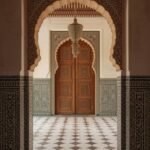
The Atlantic coastline features several specially designed beach clubs where traditional Moroccan design elements like zellige tilework and carved wooden details are incorporated into modern facilities. The Plage des Nations water sports center, constructed in 2018, showcases contemporary sustainable architecture with solar-powered facilities and water conservation systems.
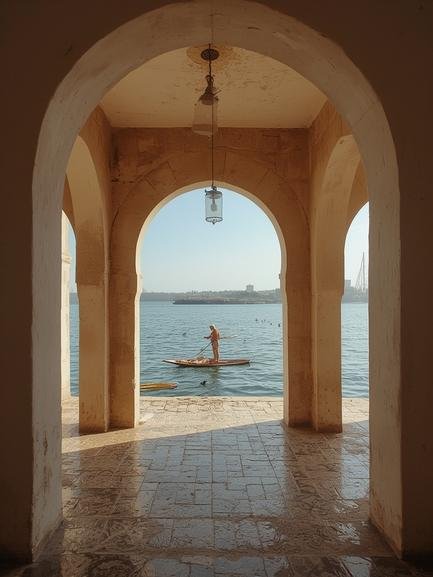
Natural features define the various water sports zones: the protected cove near Salé offers calmer waters ideal for beginners, while the open Atlantic beaches provide more challenging conditions for advanced enthusiasts. The geographic diversity within a relatively small area is what makes Rabat’s water sports landscape particularly special – from the sheltered river mouth perfect for paddleboarding to the powerful ocean waves that attract surfers year-round.
Best Time to Visit & Practical Information
For most water sports in Rabat, the optimal visiting period runs from April through October, when temperatures are pleasant and waters are generally calmer. Summer months (June-August) offer the warmest conditions with water temperatures around 21-23°C (70-73°F), ideal for swimming and watersports requiring less wetsuit protection. For surfing enthusiasts, winter months (November-March) bring more consistent swells, though a 3-4mm wetsuit becomes necessary.
Most water sports operators are open daily from 9:00 AM to 6:00 PM during high season, with reduced hours during winter. Equipment rental prices typically range from 100-200 MAD (approximately $10-20 USD) per hour depending on the activity. Complete beginner packages with instruction start around 300-500 MAD ($30-50 USD) for a 2-hour session.
Transportation to main water sports areas is straightforward – the tram line connects central Rabat to the beach areas, while taxis are readily available (ensure they use meters or negotiate fare beforehand). For activities along the Bouregreg River, the Marina Tramway station provides convenient access.
Step-by-Step Exploration Guide
Begin your Rabat water sports adventure with a morning visit to the Bouregreg Marina, where numerous operators offer equipment rentals and lessons. For beginners, start with kayaking or stand-up paddleboarding in the protected waters near the marina – these activities provide a perfect introduction to Rabat beach activities while offering unique views of the Kasbah des Oudaias from the water. Allow approximately 1-2 hours for this experience.
Next, head to Plage des Nations (Nations Beach) in the afternoon, where surfing conditions are generally best. Numerous surf schools cater to all levels, with Surf Rabat and Blue Wave Surf School being particularly recommended for English-speaking instruction. First-timers should book a 2-hour lesson that includes theory, beach practice, and supervised water time.
For more adventurous travelers, jet skiing and wakeboarding are available at the southern section of Temara Beach. These activities are typically arranged in 20-30 minute sessions and provide an exhilarating perspective on the coastline. Photography enthusiasts should bring waterproof cameras, as the views of Rabat’s skyline from offshore are spectacular.
End your water sports day with a sunset sailing trip from the marina (book at least one day ahead), which offers a perfect relaxing conclusion while providing panoramic views of the city as the light changes. These typically last 1-2 hours and often include light refreshments.
Nearby Attractions, Food & Accommodation
After enjoying the water, explore the adjacent Kasbah des Oudaias, a picturesque blue and white neighborhood just a short walk from the marina. The Andalusian Gardens within the Kasbah offer a tranquil respite after active water sports. For history enthusiasts, the Chellah necropolis combines Roman ruins with medieval Islamic architecture and is only a 10-minute taxi ride from most beach areas.
For dining, waterfront restaurants at the marina offer excellent seafood with views of the water sports action. Le Dhow, a restaurant on a converted wooden boat, provides Moroccan-European fusion cuisine with unparalleled views. For budget options, the small food stalls along Temara Beach serve fresh grilled fish and traditional Moroccan street food at reasonable prices.
Accommodation options near water sports areas include the upscale Sofitel Rabat Jardin des Roses (approximately $200/night), the mid-range Riad Kalaa in the medina ($80-120/night), and for budget travelers, Hostel Rabat ($20-30/night) offers dormitory accommodations within walking distance of the beach. For longer stays, consider apartment rentals near the marina area, which often include kitchenettes and more space for storing water sports equipment.
Travel Tips & Common Mistakes to Avoid
Avoid visiting beaches on summer weekends if possible, as they become extremely crowded with local families. Instead, opt for weekday mornings when conditions are typically calmer and facilities less crowded. Don’t underestimate the sun’s intensity – even on seemingly cloudy days, the reflection from the water intensifies UV exposure, so apply waterproof sunscreen regularly.
Many travelers make the mistake of booking water sports activities on arrival without checking weather conditions. Instead, maintain flexibility in your schedule and consult local operators about the best days for specific activities. Wind conditions particularly affect sailing and paddleboarding experiences.
For equipment rental, inspect all gear before accepting it, particularly safety equipment like life vests. Some smaller operators may provide worn equipment, so don’t hesitate to request alternatives if something seems inadequate.
Communication challenges can arise with some local operators – having basic French phrases written down can be helpful, as English proficiency varies widely. Additionally, always confirm prices before beginning any activity to avoid misunderstandings later.
Conclusion
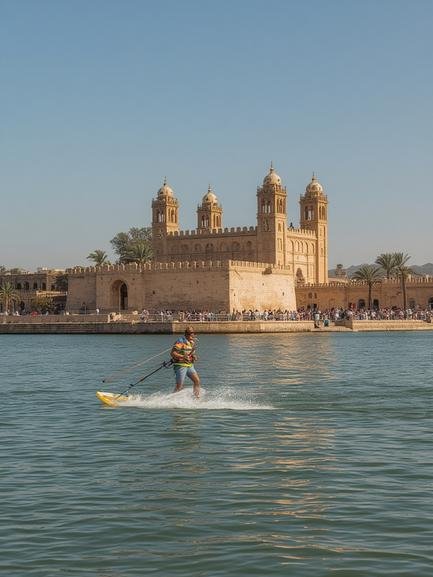
Rabat water sports represent one of Morocco’s most underrated attractions, offering the perfect balance between urban cultural exploration and coastal adventure. The capital city’s unique position along the Atlantic, combined with significant investments in waterfront infrastructure, has created an exceptional destination for aquatic enthusiasts of all levels. Whether you’re surfing alongside ancient fortress walls, kayaking as the call to prayer echoes across the water, or simply enjoying the distinctive atmosphere of Rabat beach activities, these experiences add an unforgettable dimension to any Moroccan journey.
As development continues along the Bouregreg Valley and more international water sports competitions choose Rabat as their venue, this aspect of Morocco’s capital will only grow in prominence. Don’t miss the opportunity to experience this perfect blend of traditional Moroccan hospitality and contemporary water adventures during your visit. Book your water sports experience in advance during high season, and prepare to discover a side of Rabat that many conventional tourists never see.
FAQs
Is it safe to participate in water sports in Rabat without prior experience?
Yes, most operators offer beginner-friendly options with qualified instructors. Look for schools with international certifications and those offering comprehensive safety briefings.
How long should I plan to spend on water sports activities in Rabat?
Allocate at least half a day for a single activity with instruction, or a full day if you want to try multiple water sports. Most lesson packages last 2-3 hours including preparation time.
Are there any cultural considerations when participating in water sports in Morocco?
Modest beachwear is appreciated, especially away from designated tourist beaches. Women may feel more comfortable in board shorts and rash guards rather than bikinis when outside international resort areas.
What photography restrictions exist around water sports areas?
Photography is generally permitted in all public beach and marina areas. However, seek permission before photographing local people, especially women. Waterproof phone cases or action cameras are recommended for capturing on-water activities.
Do water sports operators in Rabat speak English?
Major operators catering to tourists typically have English-speaking staff, especially during high season. However, French remains more widely spoken, so having a translation app ready can be helpful for more specialized questions.