
Morocco’s capital city serves as an excellent starting point for extraordinary adventures into the golden dunes of the Sahara. Rabat desert trips provide travelers with the unique opportunity to experience both the sophisticated royal city and the raw beauty of Morocco’s Saharan landscapes in one remarkable journey. Whether you’re seeking a short excursion or a multi-day expedition, these carefully curated adventures allow visitors to witness the dramatic transition from urban elegance to vast desert wilderness.
With professional guides, comfortable transportation, and carefully planned itineraries, you can embark on an unforgettable journey that reveals the diverse beauty of Morocco’s natural and cultural heritage.
History & Cultural Background
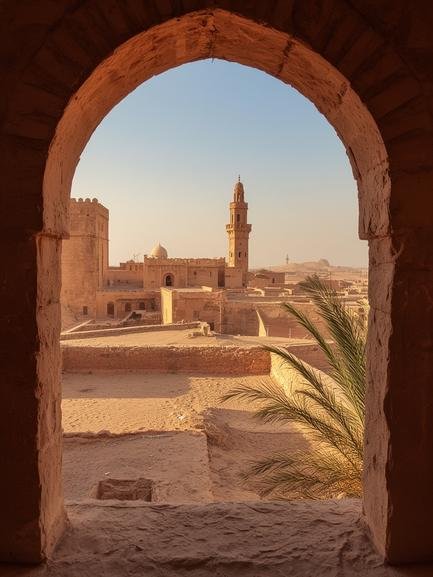
The tradition of desert travel in Morocco has ancient roots dating back to the caravan trade routes that connected sub-Saharan Africa to the Mediterranean world. These historic pathways facilitated the exchange of salt, gold, and other valuable commodities, while simultaneously spreading Islam and Arab culture throughout North Africa. The Berber nomads, indigenous to Morocco’s desert regions, developed sophisticated survival techniques and cultural practices uniquely adapted to the harsh Saharan environment.
Rabat itself has a storied history as an imperial city founded in the 12th century, later becoming the modern capital of independent Morocco in 1956. The city’s strategic location has made it an ideal departure point for desert explorations for generations. Today’s desert excursions from Rabat honor these historical connections while providing modern comforts that early travelers could scarcely imagine. The journey from the Atlantic-facing capital into the interior desert regions retraces ancient routes that have shaped Moroccan identity through centuries of cultural exchange.
Architectural Highlights & Key Features
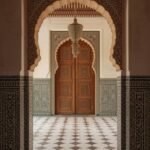
The architectural wonders encountered on desert journeys from Rabat represent a fascinating evolution of styles and influences. Your expedition begins in Rabat itself, with its blend of French colonial architecture and traditional Moorish designs evident in the Kasbah of the Udayas and Hassan Tower. As you travel inland, you’ll witness the distinctive kasbahs and ksour (fortified villages) of regions like Ouarzazate, often called “the door of the desert.”
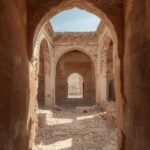
The most iconic structures you’ll encounter are the mud-brick kasbahs, particularly the UNESCO World Heritage Site of Ait Benhaddou. These earthen fortresses, constructed from local materials, feature geometric patterns, intricate carvings, and innovative cooling systems designed for desert climates. In desert camps, traditional Berber tents (known as khaimas) showcase nomadic architectural ingenuity with their durable, weather-resistant designs that have remained largely unchanged for centuries. The dramatic contrast between Rabat’s refined royal architecture and the functional yet beautiful desert structures offers a comprehensive view of Morocco’s architectural diversity.
Best Time to Visit & Practical Information
For maximum comfort, plan your desert expedition from Rabat between October and April when temperatures are moderate. Summer months (June-August) bring extreme desert heat that can exceed 100°F (38°C), making exploration challenging. The shoulder seasons of September-November and March-May offer ideal weather conditions with warm days and cool nights.
Most organized tours depart from Rabat early morning (around 7:00 AM) to maximize daylight hours for travel. Prices vary significantly based on:
– Duration (1-7 days)
– Transportation type (4×4 vehicles cost more than minivans)
– Accommodation quality (luxury desert camps vs. standard tents)
– Group size (private tours vs. shared experiences)
Expect to pay approximately 150-200 EUR per person for a basic 3-day shared tour, while private luxury experiences can exceed 500 EUR per person. Pack lightweight, breathable clothing for daytime, warmer layers for cool desert nights, closed-toe shoes, sun protection, and a scarf for potential sand breezes. Most reputable tour operators handle transportation logistics, accommodations, and meals throughout the journey.
Step-by-Step Exploration Guide
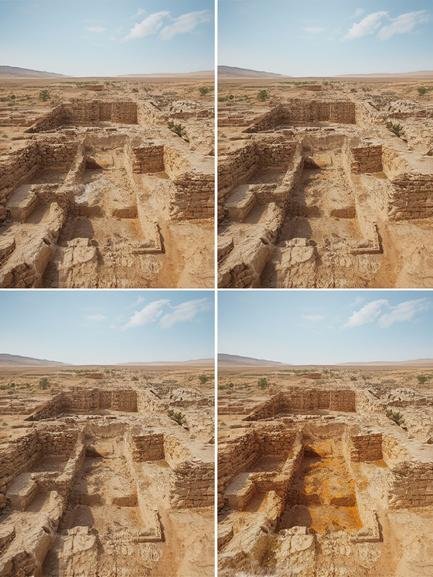
A typical Rabat desert trips itinerary unfolds across several days, taking you through Morocco’s diverse landscapes to reach the magnificent Saharan landscapes. Here’s a recommended route:
Day 1: Rabat to Middle Atlas
– Begin with an early departure from Rabat
– First stop: Ifrane, known as “Little Switzerland” with its Alpine architecture
– Lunch in Azrou, where you might spot Barbary macaques in cedar forests
– Afternoon arrival in Midelt, the “Apple City” nestled between the Middle and High Atlas
– Overnight in a comfortable riad with mountain views
Day 2: Middle Atlas to Desert Gateway
– Cross the dramatic Ziz Valley with its palm oases
– Photograph panoramic views from the Erfoud escarpment
– Visit Rissani’s traditional market for an authentic cultural experience
– Arrive in Merzouga, the gateway to the Erg Chebbi dunes
– Take your first camel ride into the desert for sunset
– Overnight in a desert camp with traditional dinner and Berber music
Day 3: Desert Immersion
– Wake early for a magical sunrise over the dunes
– Enjoy breakfast at camp before sand-boarding or 4×4 dune bashing (optional)
– Visit Khamlia village to experience Gnawa music
– Meet nomadic families to understand desert life
– Second night in desert camp with star-gazing opportunities
Day 4-5: Return Journey via Different Route
– Return to Rabat via Ouarzazate, Ait Benhaddou, and Marrakech for a comprehensive experience
– Stop at key sites including the Todra Gorge and Dades Valley
– Visit the “Hollywood of Morocco” at Ouarzazate’s film studios
This route ensures you experience Morocco’s geographic and cultural diversity, from mountains to desert, with sufficient time at each location to truly appreciate its uniqueness.
Nearby Attractions, Food & Accommodation
When in the Desert Region:
Attractions:
– Todra and Dades Gorges: Dramatic cliff formations perfect for hiking and photography
– Draa Valley: Morocco’s largest palm oasis with ancient kasbahs
– Fossil workshops in Erfoud: Observe artisans crafting geological treasures
– Nomadic settlements: Arrange respectful visits to learn about traditional lifestyles
Dining:
– Budget: Café Nora (Merzouga) for simple tagines and Berber omelets
– Mid-range: Restaurant Kasbah Mohayut for authentic desert cuisine
– Luxury: La Belle Étoile for refined Moroccan dishes with desert views
Accommodations:
– Budget: Auberge Les Roches ($30-50/night)
– Mid-range: Kasbah Mohayut ($80-120/night)
– Luxury: Merzouga Luxury Desert Camps ($200-300/night)
In Rabat (pre/post-trip):
– Explore the Kasbah of the Udayas, Hassan Tower, and Chellah Necropolis
– Stay in Rabat’s Old Medina for easy access to departure points
– Sample Atlantic seafood at coastal restaurants before heading inland
Travel Tips & Common Mistakes to Avoid
Essential Tips:
– Book with reputable companies that provide detailed itineraries and clear pricing
– Confirm what’s included (meals, activities, entrance fees)
– Bring cash for remote areas where credit cards aren’t accepted
– Download offline maps before departure
– Pack a power bank for charging devices
– Bring motion sickness medication for winding mountain roads
– Request stops for photos during long drives
– Learn basic Arabic or French phrases
Common Mistakes:
– Underestimating travel time between destinations
– Packing insufficient warm clothing for cold desert nights
– Forgetting sun protection (the desert sun is particularly intense)
– Not bringing proper footwear for walking in sand
– Rushing the experience with too-short itineraries
– Booking the cheapest option without researching the company
– Not checking if drinking water is provided
– Ignoring advice about respectful dress in conservative areas
Conclusion
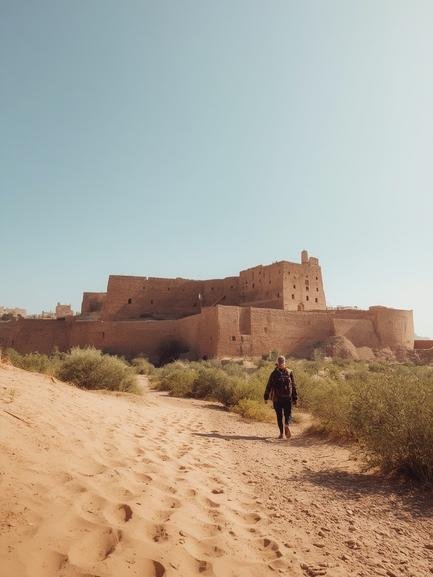
Rabat desert trips offer an extraordinary window into Morocco’s remarkable diversity, connecting the sophisticated coastal capital with the timeless magic of the Sahara. These journeys provide much more than picturesque landscapes – they deliver profound insights into the cultural tapestry of Morocco through encounters with Berber nomads, oasis communities, and ancient trading routes. The stark contrast between Rabat’s royal elegance and the rugged beauty of Saharan landscapes creates memories that linger long after your return. Whether you choose a brief excursion or an extended expedition, the experience of watching the sun rise over endless golden dunes and sleeping beneath the star-filled desert sky ranks among Morocco’s most transformative travel experiences. Book your desert adventure from Rabat today and prepare for a journey that seamlessly blends natural wonders, cultural discoveries, and personal reflection.
FAQs
How safe are desert trips from Rabat?
Desert trips organized through reputable tour companies maintain excellent safety records. Your guide will ensure your wellbeing throughout the journey, but always purchase comprehensive travel insurance and follow safety instructions, particularly regarding hydration and sun protection.
How many days do I need for a proper desert experience from Rabat?
A minimum of 3 days is required due to the significant distance (approximately 600km) between Rabat and the desert regions. For a more relaxed pace with deeper cultural experiences, 4-7 days is ideal.
Can I take photographs of local people during the journey?
Always ask permission before photographing Moroccans, especially in rural and desert communities. Some people may request a small tip, while others may decline. Respect their decision either way and prioritize human dignity over travel photos.
What type of accommodation can I expect in desert camps?
Options range from basic tents with shared facilities to luxury desert camps with private en-suite bathrooms, proper beds, and gourmet dining. All categories typically include traditional music, campfires, and spectacular stargazing opportunities.
Is it possible to do a desert day trip from Rabat?
No, genuine desert experiences require overnight travel due to distance. Beware of “desert day trips” that actually visit sandy areas near Rabat, which aren’t true Saharan landscapes. The authentic desert requires multiple days of travel from the capital.