
Morocco’s capital city is known for its stunning coastal location, rich history, and vibrant culture, but few travelers realize the natural wonders that await just beyond the urban landscape. Rabat mountain trips provide the perfect escape from city life, offering breathtaking panoramic views, refreshing mountain air, and unforgettable adventures for nature enthusiasts.
Whether you’re seeking challenging hikes or more leisurely excursions, the mountains surrounding Rabat deliver extraordinary experiences for all skill levels. The stunning contrast between the bustling capital and the serene mountain landscapes of Rabat makes these journeys particularly special for both tourists and locals alike.
History & Cultural Background
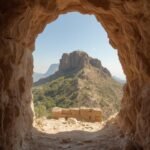
The mountains surrounding Rabat have played a significant role in Morocco’s history and cultural development. For centuries, these highlands have served as natural fortresses, with ancient civilizations including Berbers, Romans, and later Arab settlers establishing communities in these elevated regions. The Middle Atlas Mountains, accessible from Rabat, have been home to indigenous Amazigh communities whose traditions continue to thrive today.
Throughout history, these mountains functioned as critical trade routes connecting Rabat with inland Moroccan cities, contributing significantly to the region’s economic development. The fertile valleys between mountain ranges provided ideal agricultural conditions, supporting local populations through generations. During the French colonial period (1912-1956), European explorers and settlers established outposts and hiking trails in these mountains, many of which are still used today by adventurous travelers.
The natural springs and forests within these mountain regions have long been considered sacred by local communities, with many sites featuring marabouts (shrines of Muslim holy men) that continue to attract spiritual pilgrims.
Architectural Highlights & Key Features
The mountain regions near Rabat feature distinctive architectural elements that reflect both the natural landscape and Morocco’s cultural heritage. Traditional Berber villages dot the mountain slopes, characterized by flat-roofed stone houses that blend harmoniously with their surroundings. These structures are constructed using local materials—primarily stone, mud brick, and cedar wood—techniques passed down through generations.
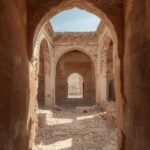
In some mountain areas, you’ll discover ancient kasbahs (fortresses) perched dramatically on hillsides, their earthen walls glowing golden in the sunset light. Modern infrastructure includes well-maintained mountain roads featuring impressive engineering, with bridges spanning deep gorges and tunnels cutting through massive rock formations.
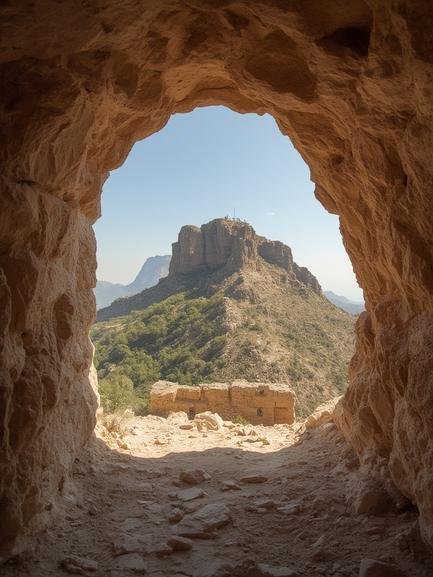
The natural architecture is equally impressive: dramatic limestone cliffs, dense cedar forests, flowing waterfalls, and unique rock formations sculpted by millennia of erosion. Visitors will marvel at the tiered agricultural terraces that transform mountainsides into productive farmland, a testament to human ingenuity in adapting to challenging terrain.
Best Time to Visit & Practical Information
The optimal time for Rabat mountain trips is during spring (April-May) and autumn (September-October) when temperatures are moderate and precipitation is minimal. Summer months (June-August) can be extremely hot in lower elevations, though higher altitudes offer cooler relief. Winter (November-February) brings snow to higher mountains, creating beautiful landscapes but potentially challenging driving conditions.
Most mountain areas are accessible year-round, though some remote trails may close during extreme weather. No formal entry fees exist for mountain regions, though guided tours typically range from 300-800 MAD ($30-$80) depending on duration and services included.
Transportation options include:
– Private car rental (recommended for flexibility)
– Organized day tours from Rabat (approximately 500-700 MAD)
– Public transport to major towns with local guides for final mountain access
Essential items to pack:
– Sturdy hiking shoes/boots
– Sun protection (hat, sunscreen, sunglasses)
– Layered clothing (temperatures can vary significantly)
– Sufficient water and snacks
– Basic first aid supplies
Step-by-Step Exploration Guide
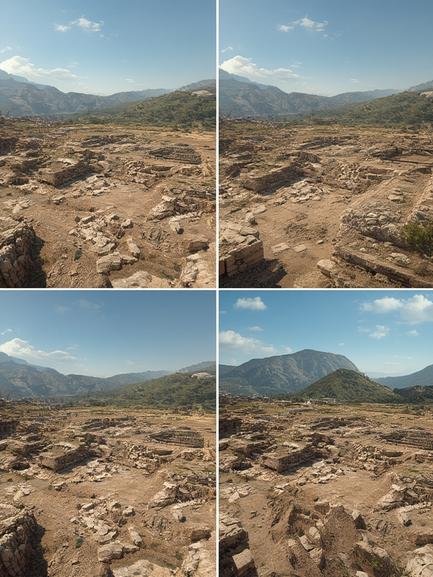
For an optimal mountain experience near Rabat, follow this recommended itinerary:
1. Start with Khémisset (1 hour from Rabat): Begin your journey with this accessible mountain town that serves as an excellent gateway to higher elevations. Visit the Thursday souk if your trip aligns with market day.
2. Continue to Oulmès (2 hours from Rabat): Famous for its mineral waters, this mountain town offers gentle hiking trails suitable for beginners. The Ain Larbaa spring makes a perfect picnic spot.
3. Explore Jbel Zerhoun (2.5 hours from Rabat): This mountain range near Moulay Idriss features spectacular olive groves and panoramic views. The 3-4 hour circular hike from Moulay Idriss town rewards with breathtaking vistas.
4. Venture to Ifrane National Park (3 hours from Rabat): For a full-day excursion, this Alpine-style town and its surrounding cedar forests offer the opportunity to see Barbary macaques in their natural habitat. The Lion of Ifrane stone monument makes a perfect photo opportunity.
5. For advanced hikers, tackle Jbel Tazzeka (4 hours from Rabat): This challenging mountain near Taza offers serious trekkers dramatic landscapes and fewer tourists. The Friouato Cave at its base is Morocco’s largest cave system.
For optimal experiences, start mountain hikes early in the morning when visibility is best and temperatures are cooler. Always inform your accommodation of your planned route if hiking independently.
Nearby Attractions, Food & Accommodation
While exploring the mountains around Rabat, enhance your experience with these complementary attractions and services:
Nearby Attractions:
– The Roman ruins of Volubilis (near Jbel Zerhoun)
– The holy city of Moulay Idriss
– The blue city of Chefchaouen (if venturing to the Rif Mountains)
– Numerous waterfalls including Cascades d’Ouzoud and Akchour
Dining Options:
– Mountain villages offer authentic Berber cuisine, particularly tagines slow-cooked with local herbs
– Try mechoui (slow-roasted lamb) in rural communities
– Sample fresh trout from mountain streams in Ifrane region
– Pack picnic supplies from Rabat for remote areas
Accommodation:
– Budget: Gîtes d’étape (basic mountain lodges) from 150-250 MAD/night
– Mid-range: Small family-run hotels in mountain towns (400-600 MAD/night)
– Luxury: Kasbah-style boutique hotels in Ifrane (800-1500 MAD/night)
– Camping: Permitted in designated areas with proper equipment
Travel Tips & Common Mistakes to Avoid
Common Mistakes:
– Underestimating weather changes: Mountain climates can shift dramatically within hours
– Starting hikes too late: Begin before 9am to avoid afternoon heat or unexpected weather
– Insufficient water: Carry at least 2 liters per person for day hikes
– Relying solely on Google Maps: Mobile coverage is spotty in mountain regions
– Wearing inappropriate footwear: Sneakers are inadequate for rocky terrain
Smart Travel Tips:
– Hire a local guide for authentic cultural insights and safety
– Learn basic Arabic or French phrases to connect with local communities
– Respect conservative dress codes in rural mountain villages
– Carry cash as ATMs are scarce in mountain regions
– Purchase a local SIM card with data before leaving Rabat
– Always inform someone of your hiking plans and expected return
Conclusion
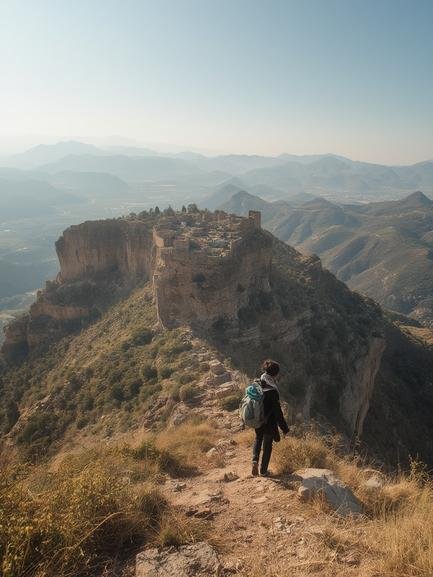
The diverse mountain landscapes surrounding Morocco’s capital offer a perfect counterpoint to urban exploration, providing natural beauty, adventure, and cultural enrichment. Rabat mountain trips deliver experiences for every type of traveler—from casual day-trippers seeking scenic drives to serious hikers craving challenging ascents. The mountain regions showcase Morocco’s remarkable geographical diversity and provide opportunities to connect with traditional communities whose ways of life remain closely tied to these ancient landscapes. Whether you’re seeking adventure, tranquility, or cultural immersion, the mountain landscapes of Rabat will leave you with memories to last a lifetime. Plan your mountain escape today and discover the natural majesty waiting just beyond the capital city.
FAQs
How safe are the mountain areas around Rabat for tourists?
The mountain regions near Rabat are generally safe for tourists. However, it’s advisable to hire local guides for unfamiliar trails, inform others of your plans, and avoid hiking alone in remote areas. Always check weather forecasts before departing.
How long should I plan for a mountain trip from Rabat?
Day trips are possible to closer mountains like those near Khémisset. For more distant regions like Ifrane National Park, plan at least an overnight stay. To fully appreciate the mountain landscapes, a 2-3 day itinerary is ideal.
Is it possible to access mountain areas using public transportation?
Yes, but with limitations. Grand taxis and buses connect Rabat to major mountain towns like Khémisset, Ifrane, and Azrou. However, for reaching trailheads and more remote areas, you’ll need a rental car or to arrange transportation with a local guide.
Are there restrictions on photography in mountain villages?
Always ask permission before photographing local people, especially in rural Berber communities. Some residents may request a small tip. Religious sites may prohibit photography altogether, so look for signage or ask before taking pictures.
What wildlife might I encounter during mountain hikes near Rabat?
The mountains around Rabat are home to various wildlife including Barbary macaques (especially in cedar forests), wild boars, foxes, and numerous bird species. The endangered Barbary leopard is extremely rare but still exists in remote areas. Most wildlife is non-threatening but maintain a respectful distance.