
Morocco’s capital city presents a delightful Mediterranean climate that enhances its cultural and historical charm. Understanding the Rabat weather and climate patterns helps travelers plan the perfect visit to this coastal gem. With its position along the Atlantic Ocean, Rabat enjoys milder temperatures compared to inland Moroccan cities, making it an appealing destination across seasons. The city’s temperature variations throughout the year create distinct seasonal experiences, each offering unique ways to explore its Andalusian gardens, historic kasbahs, and vibrant medinas.
Whether you’re looking to avoid crowds or enjoy specific seasonal events, knowing when to visit can transform your Moroccan adventure.
History & Cultural Background

Rabat’s climate has deeply influenced its historical development since its founding in the 12th century. Originally established as a ribat (fortress) by the Almohad ruler Abd al-Mu’min, the city’s strategic coastal position with moderate weather patterns made it ideal for defense and commerce. During the 17th century, Rabat became a haven for Andalusian refugees fleeing Spain, who brought architectural and horticultural knowledge well-suited to the Mediterranean climate.
The French protectorate period (1912-1956) saw Rabat designated as Morocco’s capital, with urban planning that took advantage of the pleasant climate through tree-lined boulevards and garden districts. The seasonal rainfall patterns enabled the development of the city’s famous gardens, particularly the Andalusian Gardens in the Kasbah des Oudaias, which showcase plants adapted to the local climate.
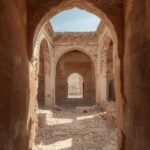
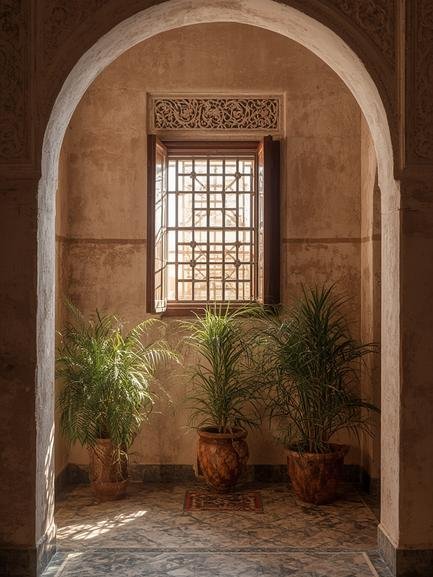
Rabat’s traditional architecture evolved specifically to address local weather conditions. The thick walls of historic buildings provide insulation against summer heat, while interior courtyards create natural ventilation. The city’s UNESCO World Heritage status recognizes not just its monuments but how they represent harmonious adaptation to the natural environment.
Architectural Highlights & Key Features
Rabat’s climate-responsive architecture is a testament to centuries of adaptation to local weather patterns. The city experiences four distinct seasons but with relatively mild transitions between them:
Winter (December-February):
– Average temperatures: 8-17°C (46-63°F)
– Rainfall: Moderate precipitation (70-100mm monthly)
– Humidity: 70-80%
Spring (March-May):
– Average temperatures: 11-22°C (52-72°F)
– Rainfall: Decreasing precipitation
– Humidity: 65-75%
Summer (June-August):
– Average temperatures: 18-28°C (64-82°F)
– Rainfall: Minimal (under 10mm monthly)
– Humidity: 70-80% due to ocean proximity
Autumn (September-November):
– Average temperatures: 14-24°C (57-75°F)
– Rainfall: Gradually increasing
– Humidity: 70-75%
The Atlantic Ocean moderates Rabat’s climate, preventing the extreme heat found in inland Morocco. Coastal fog and the refreshing “gharbi” (west wind) provide natural cooling during summer months, while the city’s position shields it from the full force of Saharan weather influences.
Best Time to Visit & Practical Information
The optimal time to experience Rabat is during spring (April-May) and autumn (September-October) when temperatures range from 15-25°C (59-77°F) with minimal rainfall. These shoulder seasons offer pleasant conditions for exploring outdoor sites like the Hassan Tower and Chellah without summer crowds.
Seasonal Considerations:
– Summer visitors should plan outdoor activities for mornings and evenings, as afternoons can reach 30°C (86°F). Beach visits are popular during this season.
– Winter travelers should pack layers and rainproof gear. Museums and indoor cultural sites provide excellent refuge during occasional rain showers.
– Ramadan brings modified business hours and a unique cultural experience but consider this when planning restaurant visits.
Packing Recommendations:
– Spring/Fall: Light layers, comfortable walking shoes
– Summer: Breathable clothing, sun protection, light sweater for evening sea breezes
– Winter: Waterproof jacket, light sweater, umbrella
Most historical sites open from 9:00 AM to 5:30 PM with minor seasonal adjustments. The city is well-connected by tram and petit taxis, making climate-appropriate transportation readily available.
Step-by-Step Exploration Guide
Exploring Rabat requires adaptation to the day’s weather conditions. Here’s a weather-conscious itinerary that considers the Rabat weather and climate patterns while showcasing the city’s highlights:
Morning Exploration (8:00 AM – 12:00 PM):
1. Kasbah des Oudaias – Start early, especially in summer, to enjoy the cool morning temperature variations while exploring this 12th-century fortress. The sea breeze here is refreshing year-round.
2. Andalusian Gardens – These sheltered gardens offer shade during hotter months and windbreak during winter. Morning light creates spectacular photography opportunities.
3. Rabat Archaeological Museum – Perfect mid-morning activity during rainfall or intense summer heat.
Midday Break (12:00 PM – 2:00 PM):
– During summer, retreat to an air-conditioned café in Ville Nouvelle.
– In winter, enjoy indoor dining with views of rain-washed streets.
Afternoon Exploration (2:00 PM – 6:00 PM):
1. Hassan Tower & Mohammed V Mausoleum – The open esplanade is best visited in late afternoon during summer when temperatures begin to drop, or midday during winter’s milder conditions.
2. Chellah – This ancient Roman and medieval Islamic site offers partial shade from tree cover. Visit later in the day during summer to avoid peak heat.
3. Medina – The narrow streets provide natural cooling even during hot days, making it suitable for afternoon exploration year-round.
Evening Activities (After 6:00 PM):
– Summer evenings are perfect for promenading along the Bouregreg River or Atlantic coastline.
– Winter evenings may call for cultural performances at the Mohammed VI Theater or traditional hammam visits.
Adjust this itinerary according to the day’s specific weather forecast, particularly during transitional seasons.
Nearby Attractions, Food & Accommodation
Weather-Appropriate Day Trips:
– Salé (across the river): Connected by tram, this traditional city offers covered souks ideal during rainy winter days.
– Atlantic Beaches (15-30 minutes): Perfect for summer days, with Plage des Nations being the most accessible.
– Kenitra (40 minutes north): Visit during spring to see the surrounding agricultural lands in bloom.
Seasonal Dining Experiences:
– Summer: Oceanfront restaurants in Harhoura serve fresh seafood with cooling breezes.
– Winter: Traditional tagine at Le Dhow, a boat-restaurant offering heated indoor seating.
– Year-round: Café Maure in the Kasbah provides sheltered terrace dining with seasonal mint tea variations.
Accommodations by Climate Preference:
– Heat-sensitive travelers: The Sofitel Jardin des Roses offers air-conditioned luxury and shaded gardens.
– Winter visitors: Riad Kalaa in the medina provides traditional architecture with heating and intimate courtyards protected from rain.
– Beachgoers: View Hotel Rabat offers proximity to the ocean during summer months.
– Budget options: Hotel Texuda provides basic climate control and central location year-round.
Each neighborhood offers distinct microclimates: oceanfront areas enjoy cooler summer temperatures, while the medina remains warmer during winter evenings.
Travel Tips & Common Mistakes to Avoid
Weather-Related Mistakes to Avoid:
– Underestimating summer humidity: Despite moderate temperatures, coastal humidity can be surprising. Bring moisture-wicking clothing.
– Ignoring winter rainfall: Rabat receives most precipitation between November and February. Pack waterproof footwear and rain protection.
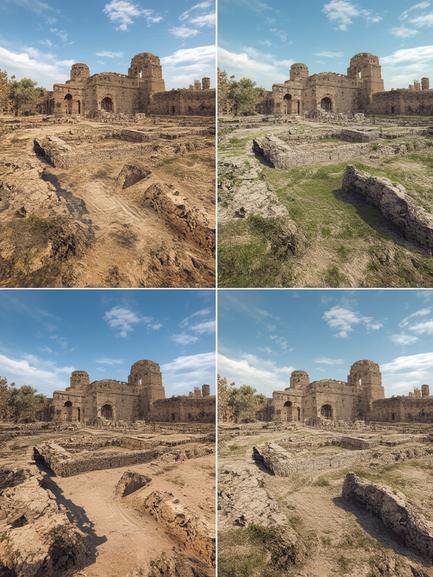
– Missing seasonal natural phenomena: Spring brings wildflowers to archaeological sites, while autumn offers spectacular sunset colors over the Atlantic.
– Over-scheduling summer days: The midday heat from June through August requires planned rest periods.
Practical Climate-Conscious Tips:
– Download a reliable weather app that accounts for Rabat’s coastal influences.
– Consider the Islamic calendar when planning, as Ramadan dates shift annually and affect daily rhythms.
– Rabat’s microclimate can differ from nearby cities; don’t base your packing on Casablanca or Fez forecasts.
– Seasonal allergies can be triggered by spring blossoming in the city’s abundant gardens.
– Ocean conditions vary seasonally – swimming is safest from June through September.
Conclusion
The Rabat weather and climate creates an environment where Morocco’s historical and cultural treasures can be enjoyed comfortably throughout most of the year. Unlike some Moroccan destinations that experience extreme temperatures, Rabat’s coastal position offers a gentler introduction to the country, with reliable temperature variations that rarely reach uncomfortable extremes. This climate reliability makes the capital an ideal base for exploring Morocco in any season, whether you’re seeking winter cultural immersion or summer beach relaxation.
The city’s weather patterns have shaped its architecture, gardens, and daily rhythms for centuries, creating a distinctive atmosphere that changes subtly with each passing month. By planning your visit with an understanding of these seasonal nuances, you’ll experience Rabat not just as a collection of monuments but as a living city in harmony with its natural environment. Pack accordingly, adjust your daily schedule to accommodate weather patterns, and prepare to discover why Rabat has earned its reputation as Morocco’s most livable and climate-friendly imperial city.
FAQs
What is the rainy season in Rabat and should I avoid it?
The rainy season runs from November to February, with December typically receiving the most precipitation. While you might encounter occasional showers, they rarely last all day. This period offers the advantage of fewer tourists and greener landscapes, particularly at sites like Chellah and the Royal Golf Dar Es Salam.
Is Rabat unbearably hot during summer months?
No, unlike inland cities such as Marrakech, Rabat’s coastal location moderates summer temperatures. Daytime highs typically range from 25-30°C (77-86°F) with cooling ocean breezes. However, humidity can make it feel warmer, so plan outdoor activities for mornings and evenings.
Do I need to worry about extreme weather events in Rabat?
Extreme weather is rare in Rabat. The city occasionally experiences strong Atlantic storms in winter, but these are typically short-lived. Summer heat waves affecting inland Morocco are moderated by the time they reach the capital.
What should I pack for a year-round visit to Rabat?
For year-round comfort, pack layers that can be added or removed as temperatures fluctuate. Include a light rainproof jacket even in summer (for occasional showers and sea spray), sun protection year-round, and a light sweater for evening sea breezes in any season.
How does Ramadan affect visiting Rabat, and does the weather impact Ramadan activities?
Ramadan shifts approximately 10 days earlier each year on the Gregorian calendar. When Ramadan falls in summer, daylight fasting hours are longer and afternoon activities may be reduced. Evening festivities become more vibrant after sunset, especially in cooler hours. Many restaurants close during daylight hours, though tourist establishments often remain open.