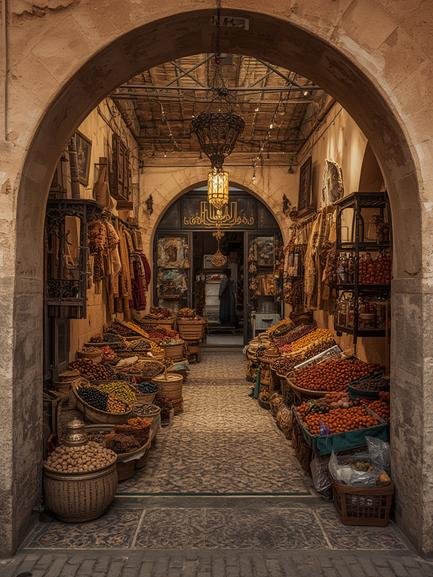

Morocco’s capital city reveals its vibrant soul through its bustling marketplaces. Rabat market days provide an authentic window into local life, where centuries-old traditions blend with the everyday needs of modern Moroccans. Unlike the more tourist-oriented markets of Marrakech, Rabat traditional souks retain their genuine character, with locals haggling over fresh produce, handcrafted goods, and household items.
For travelers seeking an immersive cultural experience, these markets deliver colorful sensory adventures while offering insights into Moroccan commerce, cuisine, and craftsmanship that have remained largely unchanged for generations.
History & Cultural Background
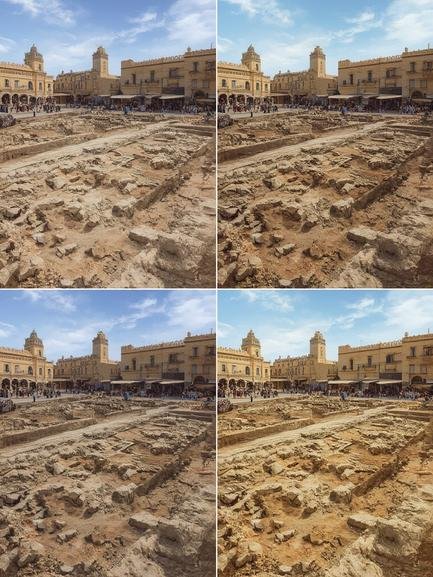
Rabat’s markets trace their origins to the 12th century when the Almohad dynasty established the city as a fortified military camp. The word “souk,” derived from Arabic, originally referred to marketplaces that formed essential commercial and social hubs in North African cities. By the 17th century, under Alaouite rule, Rabat’s markets had developed specialized sections for different trades – a structure that remains visible today.
The French colonial period (1912-1956) introduced new commercial patterns, with some markets relocating outside the medina walls. After independence, Rabat’s markets continued evolving, but many maintained their traditional character. Today, they represent living museums where age-old commercial practices persist alongside modern trade, reflecting Morocco’s ability to preserve cultural heritage while embracing contemporary life.
Architectural Highlights & Key Features
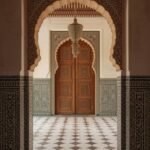
Rabat’s markets display distinctive architectural elements that reflect their historical evolution and practical purposes. The traditional souks within the medina feature narrow, sometimes covered passageways with shops arranged by trade. Vaulted ceilings, intricate woodwork, and decorative tilework can be found in the older market structures, particularly around Souk Es-Sebat (the shoe market) and Souk El-Attarine (the spice market).
The more modern markets, like the Central Market (Marché Central), showcase French colonial influence with their organized layouts and permanent structures. Here, you’ll find covered halls with high ceilings, allowing for natural light and ventilation – practical features for food markets. The neighborhood markets (souks hebdomadaires) are more temporary in nature, with metal frames supporting canvas coverings that create a labyrinth of makeshift stalls, giving these spaces their dynamic, ever-changing character.
Best Time to Visit & Practical Information
The ideal time to experience Rabat’s markets is during weekday mornings (Tuesday through Thursday) when they’re bustling but not overwhelmingly crowded. Saturday markets tend to be particularly lively as locals stock up for the week. Avoid Friday afternoons during prayer times (around 1-2 PM) when many shops close temporarily.
Seasonally, spring (April-May) and fall (September-October) offer the most pleasant weather for market exploration. Summer markets showcase abundant fresh produce but can be uncomfortably hot, while winter markets are less crowded but may close earlier as daylight diminishes.
Most permanent souks operate from around 9 AM until 7 PM, with an afternoon lull between 1-3 PM. The weekly neighborhood markets (souks hebdomadaires) typically run from early morning (7 AM) until mid-afternoon (3-4 PM) on their designated days. Entry to all markets is free, though having small denominations of Moroccan dirhams is essential for purchases.
Step-by-Step Exploration Guide
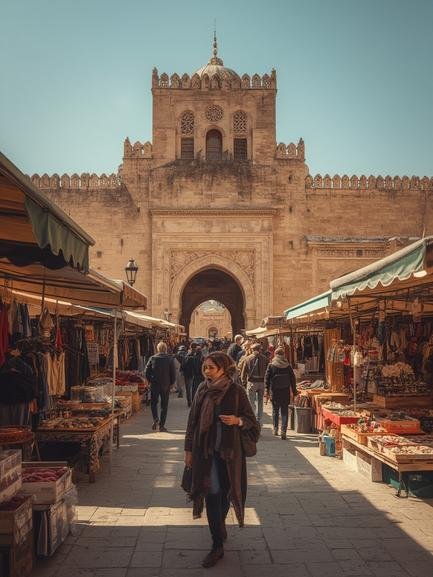
Begin your market adventure at the Central Market (Marché Central) on Avenue Mohammed V, which operates daily and provides an accessible introduction to Moroccan market culture. Arrive around 9 AM to witness vendors arranging their vibrant displays of fruits, vegetables, fish, and flowers. During Rabat market days, this central hub buzzes with activity, offering a microcosm of local commerce that’s more approachable than the more intense Rabat traditional souks.
Next, head to the medina (accessible via the Bab El Had entrance) to explore the permanent souks. Follow this route:
1. Souk El-Ghezel (wool and fabric market) – Examine the colorful textiles and watch artisans at work
2. Souk Es-Sebat (shoe market) – Observe leather craftsmen creating traditional Moroccan slippers
3. Souk El-Attarine (spice market) – Immerse yourself in pyramids of colorful spices and aromatic herbs
4. Souk El-Kheir (food market) – Sample local delicacies and watch culinary traditions in action
For a more local experience, time your visit to coincide with one of the weekly neighborhood markets:
– Monday: Yacoub Al Mansour district
– Thursday: Agdal district
– Sunday: Takadoum district
These markets are less touristic and showcase everyday Moroccan shopping habits.
Nearby Attractions, Food & Accommodation
Attractions Within Walking Distance
– Kasbah des Oudaias – Historic fortress with stunning ocean views (15-minute walk from the medina souks)
– Hassan Tower – Incomplete 12th-century minaret and historical monument (20-minute walk)
– Chellah – Ancient Roman ruins and medieval necropolis (30-minute taxi ride)
– Rabat Archaeological Museum – Impressive collection of artifacts (10-minute walk)
Where to Eat
– Budget: Café Clock in the medina offers traditional Moroccan fare with a modern twist
– Mid-range: Restaurant Dinarjat serves authentic Moroccan cuisine in a restored riad
– High-end: Le Dhow, a restaurant on a wooden boat docked along the Bouregreg River
Accommodation Options
– Budget: Riad Marhaba in the medina provides authentic accommodation at reasonable prices
– Mid-range: Riad Zyo offers comfortable rooms with traditional Moroccan design
– Luxury: Sofitel Rabat Jardin des Roses provides five-star amenities in a garden setting
Travel Tips & Common Mistakes to Avoid
Essential Tips
– Dress modestly, particularly in the traditional markets (shoulders and knees covered)
– Carry small denominations of dirhams for easier transactions
– Always negotiate prices (start at 40-50% of the initial asking price)
– Keep valuables secure in a front-facing bag or money belt
– Drink only bottled water and be cautious with uncooked foods
Common Mistakes
– Taking photos without permission – always ask before photographing people or their goods
– Shopping at the first stalls you encounter – prices are typically higher at market entrances
– Accepting the first price offered – haggling is expected and part of the experience
– Showing too much interest in an item if you plan to negotiate seriously
– Being rushed into purchases – take your time and compare options
Conclusion
Rabat market days offer travelers an unfiltered glimpse into Moroccan daily life that many other tourist experiences simply cannot match. Unlike the more commercialized souks in other imperial cities, Rabat traditional souks retain their authenticity, functioning primarily for locals rather than tourists. This genuineness creates more meaningful cultural exchanges and often better prices for quality goods. As you navigate these vibrant marketplaces, you’re not just shopping—you’re participating in centuries-old traditions that continue to define Morocco’s cultural identity. Schedule at least one market day into your Rabat itinerary to experience the city beyond its monuments and museums. Your memories of colorful displays, aromatic spices, skilled craftsmanship, and warm interactions with local vendors will likely become some of your most treasured souvenirs from Morocco.
FAQs
What are the most important Rabat market days during the week?
The main weekly markets occur on Mondays in Yacoub Al Mansour, Thursdays in Agdal, and Sundays in Takadoum. Additionally, the Central Market and medina souks operate daily, with Tuesday through Thursday mornings offering the best shopping experience.
Is it safe to visit Rabat markets alone?
Yes, Rabat markets are generally safe for solo travelers. Exercise standard precautions like keeping valuables secure and staying aware of your surroundings. The markets in Rabat tend to have less aggressive touts than those in more tourist-heavy cities like Marrakech.
How long should I spend exploring the markets?
Allocate at least 2-3 hours for the medina souks and 1-2 hours for the Central Market. For weekly neighborhood markets, plan for 1-2 hours. Consider splitting your market exploration across multiple days to avoid sensory overload.
Are credit cards accepted in Rabat markets?
Most traditional market vendors accept only cash. The Central Market and more established shops might accept cards, but always carry sufficient cash in small denominations for easier transactions and bargaining.
What are the best items to purchase in Rabat markets?
Look for leather goods, textiles (particularly handwoven blankets and rugs), traditional pottery, woodwork, and spices. Rabat is particularly known for its high-quality carpets and traditional embroidery that features less tourist-oriented designs than those found in other Moroccan cities.