
Morocco’s capital city comes alive throughout the year with a vibrant array of cultural celebrations. Rabat events and festivals offer visitors a unique window into the soul of Moroccan culture, from ancient traditions to contemporary artistic expressions. Whether you’re drawn to the rhythmic beats of Moroccan music festivals or fascinated by colorful street parades, Rabat delivers a year-round cultural feast. As a UNESCO World Heritage city, Rabat seamlessly blends historical grandeur with modern cultural vibrancy, making its festival calendar an essential experience for travelers seeking authentic Moroccan encounters.
History & Cultural Background
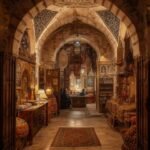
Rabat’s festival heritage dates back centuries, deeply intertwined with Morocco’s rich multicultural identity. The city’s position as a royal capital since the 12th century has made it a natural focal point for cultural celebrations. Traditional festivals often have Amazigh (Berber), Arab, and Andalusian influences, reflecting the diverse tapestry of Moroccan culture.
The modern festival scene began to flourish in the post-independence era of the 1960s, when the government recognized the importance of cultural events in preserving national identity. By the early 2000s, Rabat had established itself as a cultural hub with the introduction of major international festivals. In 2012, UNESCO’s recognition of Rabat as a World Heritage Site further cemented its status as a cultural beacon.
Today, the city’s event calendar reflects both reverence for tradition and an embrace of contemporary artistic expressions, offering everything from religious celebrations to cutting-edge music festivals.
Architectural Highlights & Key Features
Rabat’s festivals utilize the city’s stunning architectural backdrop to create unforgettable cultural experiences:
– Udayas Palace: This 12th-century fortress provides a dramatic setting for classical music concerts and art exhibitions, with its Andalusian gardens offering a tranquil space for cultural performances.
– Mohammed V Theater: A modernist masterpiece that hosts the Mawazine Festival concerts and theatrical performances throughout the year.
– Chellah: These ancient Roman ruins merge with medieval Islamic structures to create a hauntingly beautiful venue for the Jazz au Chellah festival.
– Rabat Cultural Complex: A contemporary architectural marvel that houses major exhibitions, film screenings, and performing arts events.
– Royal Palace Grounds: During special occasions like throne celebrations, the palace opens areas for public festivities and displays of traditional horsemanship.
The architectural diversity of these venues mirrors the rich variety of events they host, from intimate poetry readings in historic medina cafes to massive outdoor concerts in modern urban spaces.
Best Time to Visit & Practical Information
Festival Calendar Highlights:
– Spring (March-May): Mawazine Festival (May/June), International Women’s Film Festival (late April)
– Summer (June-August): Rabat Africa Festival (July), Jidar Street Art Festival (June)
– Fall (September-November): Chellah Jazz Festival (September), International Film Festival (November)
– Winter (December-February): Amazigh New Year (January), Moroccan National Film Festival (February)
Practical Tips:
– Tickets: Purchase tickets for major festivals well in advance through the official websites or local ticket offices like Ticket.ma
– Transportation: Most festival venues are accessible via Rabat’s efficient tram system or affordable taxis
– Accommodation: Book hotels 2-3 months ahead for major events like Mawazine
– Weather Considerations: Summer festivals can be hot (35°C/95°F), so evening events are more comfortable
– Dress Code: Conservative dress is recommended for religious or traditional festivals
Step-by-Step Exploration Guide
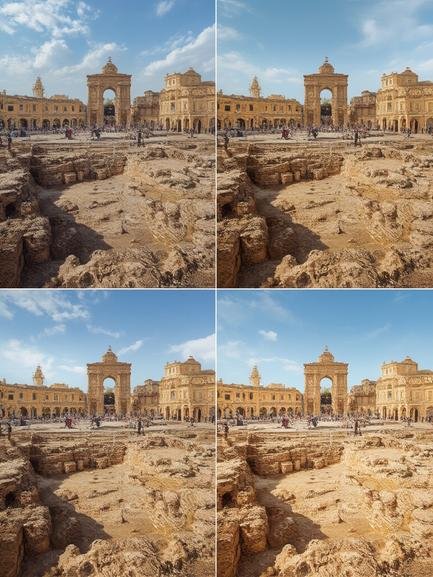
Day 1: Festival Orientation Tour
1. Morning: Start at the Rabat Tourism Office near Hassan Tower to collect current festival programs and maps
2. Mid-morning: Visit the Mohammed V Theater and surrounding cultural complex to familiarize yourself with the main performance venues
3. Afternoon: Explore the medina and Kasbah of the Udayas, noting smaller festival venues like Café Maure, where intimate music performances occur
Day 2: Festival Immersion
1. Morning: Attend a workshop or masterclass often held alongside Rabat events and festivals at the National Library
2. Afternoon: Visit exhibition spaces like Villa des Arts or the Museum of Contemporary Art to see festival-related exhibitions
3. Evening: Experience Moroccan music festivals at one of the main stages, arriving early to secure good viewing spots
Day 3: Beyond the Main Events
1. Morning: Check out street performances and food stalls that often accompany major festivals
2. Afternoon: Visit Chellah or the Royal Golf Dar Es Salam for outdoor festival venues
3. Evening: Experience the nightlife that flourishes during festival periods, particularly in the Agdal neighborhood
Nearby Attractions, Food & Accommodation
Cultural Extensions:
– Salé: Rabat’s twin city across the Bouregreg River hosts complementary festival events
– Temara: Beach festivals and music events during summer months
– Casablanca: Just one hour away by train, offering additional cultural venues and events
Festival Food Experiences:
– Street Food: Festival grounds typically feature vendors selling traditional Moroccan street food
– Le Dhow: A restaurant on a wooden boat offering views of fireworks and waterfront festival activities
– Dar Naji: Traditional Moroccan cuisine close to major festival venues
– Paul: French cafe perfect for breakfast before a day of festival hopping
Accommodation Options:
– Luxury: Sofitel Jardin des Roses or La Tour Hassan Palace Hotel
– Mid-Range: Riad Kalaa in the medina or Hotel Belere
– Budget: Hostels like The Medina Hostel or Riad Marhaba
– Festival Packages: Check official festival websites for hotel packages that may include event tickets
Travel Tips & Common Mistakes to Avoid
Smart Festival Planning:
– Don’t assume all events are free: While some street performances and exhibitions have open access, major concerts and performances require tickets
– Don’t miss the pre-booking window: Popular festival performances sell out weeks in advance
– Avoid peak traffic times: Use the tram to bypass festival traffic congestion
– Don’t forget sun protection: Many outdoor festivals offer limited shade
– Don’t overlook smaller events: The most authentic experiences often happen at smaller, less publicized festival venues
Cultural Sensitivity:
– Dress appropriately: Especially for religious or traditional festivals
– Ask before photographing performers: Some traditional performers have cultural restrictions around photography
– Learn basic festival greetings: A few words of Arabic or French enhance your festival experience
– Respect prayer times: Some festivals pause during prayer calls
Conclusion
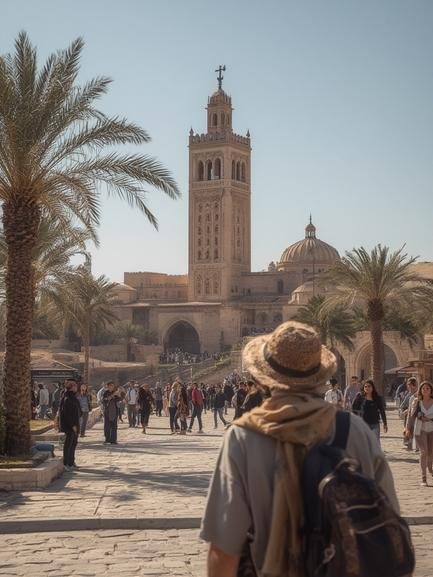
From the thunderous applause at Mawazine concerts to the contemplative silence during poetry recitals in ancient gardens, Rabat events and festivals offer an unparalleled journey through Morocco’s cultural landscape. The city’s festival calendar transforms historical spaces into living stages where tradition and innovation dance together. Whether you’re swaying to the rhythms of Moroccan music festivals or admiring contemporary street art taking shape during Jidar, Rabat’s celebrations promise memories that linger long after you return home. Plan your visit around these cultural highlights to experience Morocco at its most vibrant, colorful, and welcoming. Start creating your Rabat festival itinerary today, and prepare to be captivated by the capital’s cultural heartbeat.
FAQs
Q: When is the best time to experience Rabat’s festival scene?
A: May-June offers the richest festival experience with Mawazine (one of Africa’s largest music festivals) and several arts events coinciding with pleasant weather.
Q: Are Rabat festivals family-friendly?
A: Most festivals include family-oriented programming, particularly afternoon events. The Mawazine Festival has dedicated family areas, while street art festivals like Jidar appeal to all ages.
Q: Do I need to speak Arabic or French to enjoy Rabat festivals?
A: While knowing some French is helpful, many festivals provide information in English, and music and visual arts transcend language barriers.
Q: What should I wear to Rabat festivals?
A: Comfortable, modest clothing is recommended. For traditional or religious festivals, women should cover shoulders and knees, while contemporary music festivals allow more casual attire.
Q: How safe are Rabat festivals for solo travelers?
A: Rabat’s festivals are generally very safe with significant security presence. Solo travelers should take standard precautions regarding valuables and late-night travel as they would in any major city.