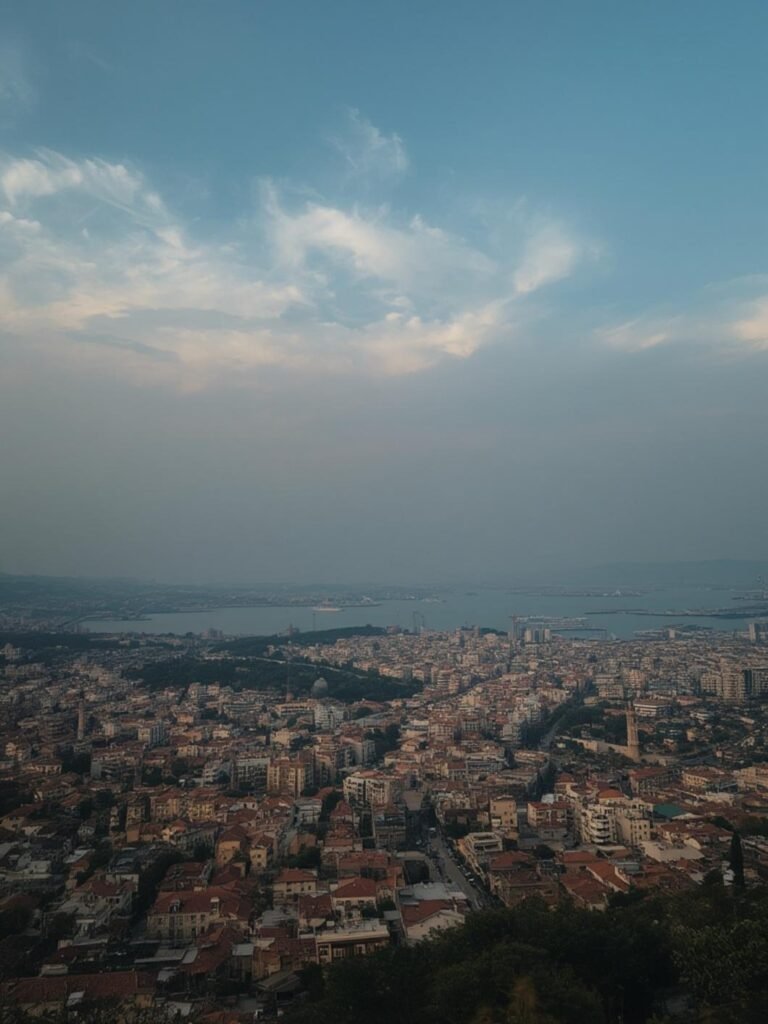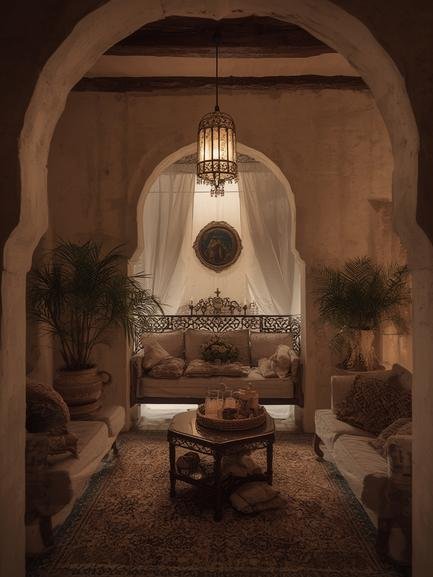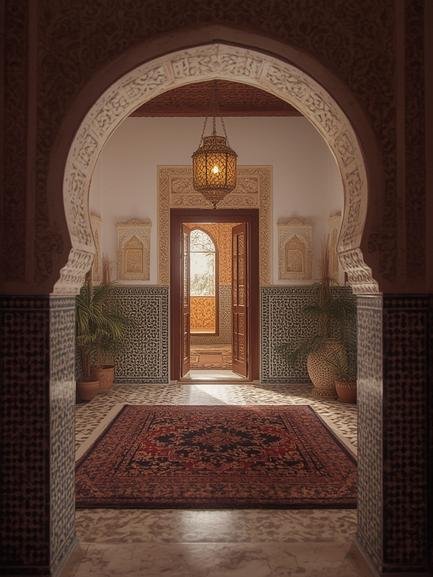

Morocco’s capital city offers a perfect blend of history, culture, and modern amenities that make Rabat solo travel an increasingly popular choice for independent adventurers. Unlike the hustle of Marrakech or the maze-like medinas of Fez, Rabat provides a more relaxed atmosphere where solo travelers can comfortably explore at their own pace. The city’s UNESCO World Heritage sites, stunning Atlantic coastline, and friendly locals create an ideal environment for exploring Morocco’s capital on your own.
With excellent public transportation, safe neighborhoods, and a manageable size, Rabat deserves more attention from those seeking an authentic Moroccan experience without overwhelming crowds.
History & Cultural Background
Founded in the 12th century by the Almohad ruler Abd al-Mu’min, Rabat (meaning “Fortified Place”) began as a fortress to launch attacks against Spain. The city gained prominence in the 17th century when Moorish refugees from Spain settled here. However, it wasn’t until 1912, under French colonial rule, that Rabat was designated Morocco’s capital, a status it has maintained since independence in 1956.
The city beautifully showcases Morocco’s diverse cultural influences, from the ancient Berber heritage to Arab, Jewish, and French colonial impacts. This blend is evident in Rabat’s architecture, cuisine, and cultural practices. Unlike imperial cities like Fez and Marrakech, Rabat developed as an administrative center, giving it a more organized layout and a distinctive blend of traditional and modern elements that make it uniquely approachable for visitors.
Architectural Highlights & Key Features
Rabat’s architectural landscape offers a fascinating journey through time, with monuments representing various periods of Moroccan history:
- Kasbah of the Udayas: This 12th-century fortress features stunning Andalusian gardens, blue and white painted streets, and panoramic ocean views.
- Hassan Tower: Standing incomplete since the 12th century, this 44-meter minaret was intended to be the world’s largest mosque. Today, it’s surrounded by columns that hint at its intended grandeur.
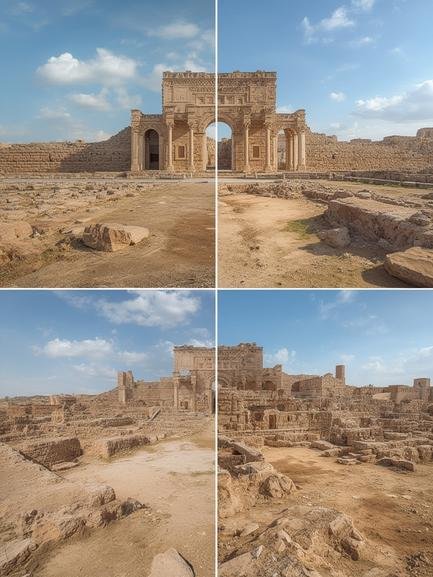
- Chellah Necropolis: A Roman ruin later converted to a medieval Muslim necropolis, this walled site combines Roman and Islamic architecture in a garden setting now inhabited by storks.
- Mohammed V Mausoleum: A masterpiece of modern Moroccan architecture with intricate zellige tilework, carved cedar ceilings, and marble floors honoring the royal family.
- Royal Palace: While not open to the public, the ornate exterior and ceremonial guards make it worth visiting.
The city’s architectural style combines traditional Islamic elements (geometric patterns, arabesques, and courtyard designs) with French colonial influences evident in the wide boulevards and administrative buildings of the Ville Nouvelle (New City).
Best Time to Visit & Practical Information
The ideal time for visiting Rabat is during spring (April-May) and fall (September-October) when temperatures range between 65-75°F (18-24°C). Summer (June-August) can be hot but is mitigated by Atlantic breezes, while winter (November-March) brings mild temperatures and occasional rainfall.
Practical Information:
- Currency: Moroccan Dirham (MAD)
- Language: Arabic and French, with some English in tourist areas
- Dress Code: Conservative but relaxed; covering shoulders and knees is respectful, particularly at religious sites
- Transportation: Tram system (8 MAD per trip), blue petit taxis (use meter), and intercity trains
- Internet: Widely available WiFi in cafes and hotels; local SIM cards are inexpensive
- Safety: Generally safe, but standard precautions apply, especially at night
Most attractions open around 9:00 AM and close by 5:00 or 6:00 PM, with many closing for a period during Friday prayers. The Kasbah and medina can be explored at any time.
Step-by-Step Exploration Guide
Day 1: Historical Highlights
1. Morning: Begin at the Kasbah of the Udayas (opens early, beat the crowds). Enter through the impressive Almohad gate and wander the picturesque blue and white streets. Don’t miss the Andalusian Gardens and Café Maure for mint tea with Atlantic views.
2. Mid-day: Walk to the Hassan Tower and Mohammed V Mausoleum complex (about 20 minutes). Rabat solo travel is especially rewarding here, as you can take your time appreciating the intricate details without being rushed. The open plaza is perfect for photography and contemplation.
3. Afternoon: Visit the Chellah Necropolis (take a petit taxi, about 15 MAD). Spend 1-2 hours exploring these atmospheric ruins where exploring Morocco’s capital takes on a mystical dimension among ancient stones and nesting storks.
Day 2: Cultural Immersion
1. Morning: Explore the Rabat Medina and its souks. Smaller and less intimidating than those in other Moroccan cities, Rabat’s medina is perfect for browsing handicrafts, textiles, and spices at a relaxed pace.
2. Mid-day: Visit the Villa des Arts or Mohammed VI Museum of Modern and Contemporary Art for Morocco’s growing art scene.
3. Late Afternoon: Stroll along Rabat Beach and the Corniche for sunset views and fresh seafood at one of the oceanfront restaurants.
Nearby Attractions, Food & Accommodation
Nearby Day Trips:
- Salé: Rabat’s sister city across the Bouregreg River, known for its Grand Mosque and traditional crafts
- Temara: Beaches and the Royal Golf Dar Es Salam
- Skhirat: Upscale beach resort area
Food Recommendations:
- Budget: Café du Renouveau (traditional Moroccan dishes), street food at Central Market
- Mid-range: Dar Naji (authentic Moroccan cuisine), Le Petit Beur (local favorites)
- Upscale: Le Dhow (restaurant on a boat), La Cantine des Gazelles (modern Moroccan)
Accommodation:
- Budget: Riad Marhaba, Medina Hostel, Hotel de Paris
- Mid-range: Riad Zyo, Hotel Oumlil, Riad El Maati
- Luxury: Sofitel Rabat Jardin des Roses, Villa Mandarine, Riad Kalaa
Travel Tips & Common Mistakes to Avoid
Smart Tips:
- Learn basic Arabic or French phrases – locals appreciate the effort
- Download offline maps and translation apps before arrival
- Use the tramway for efficient city navigation
- Negotiate taxi fares before entering the vehicle
- Carry small denominations of dirhams for markets and cafés
- Visit popular sites early in the morning to avoid crowds
- Respect photo-taking etiquette, especially with people
Common Mistakes:
- Staying only one day – Rabat deserves at least 2-3 days
- Missing sunset at the Kasbah viewpoint
- Overlooking the new city areas with their vibrant café culture
- Being overly cautious – Rabat is one of Morocco’s safest cities
- Not trying local street food – it’s delicious and generally safe
Conclusion
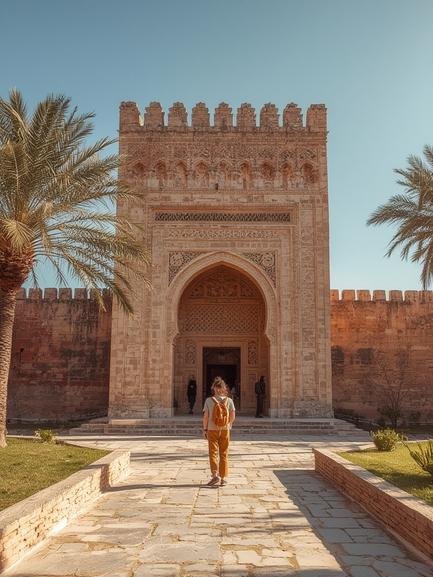
Rabat solo travel offers an ideal introduction to Morocco’s rich heritage without the overwhelming intensity found in other imperial cities. The capital’s walkable size, excellent public transportation, and diverse attractions make it particularly well-suited for independent travelers. From ancient ruins to vibrant markets and stunning coastal views, Rabat rewards those who take the time to discover its many layers. As you navigate the city’s blend of traditional and modern elements, you’ll find yourself exploring Morocco’s capital with growing confidence and appreciation. Consider starting your Moroccan adventure in Rabat before venturing to more hectic destinations – you’ll gain cultural context, practical experience, and memories of a city that perfectly balances Morocco’s past and future.
FAQs
Is Rabat safe for solo female travelers?
Yes, Rabat is generally considered one of the safest Moroccan cities for solo female travelers. The capital has a significant expat community, less aggressive touts than tourist centers, and a more relaxed atmosphere. Standard precautions apply: dress modestly, avoid isolated areas at night, and be firm but polite with unwanted attention.
How many days do I need in Rabat?
Two to three full days allow you to see Rabat’s major attractions without rushing. Add an extra day if you want to take a day trip to neighboring Salé or spend more time exploring the beaches and modern districts.
Do I need a guide in Rabat?
Unlike Fez or Marrakech, Rabat is very navigable without a guide. Major attractions are well-marked, and the medina is smaller and less maze-like. However, a guide can provide valuable historical and cultural context if you prefer a deeper understanding.
What should I wear when visiting Rabat?
Rabat is relatively cosmopolitan but still conservative. Lightweight, loose-fitting clothing that covers shoulders and knees is appropriate. For women, carrying a scarf is useful for visiting religious sites. In upscale restaurants and hotels, smart casual attire is suitable.
Is English widely spoken in Rabat?
French is more common than English, though you’ll find English speakers in hotels, museums, and tourist areas. Learning basic Arabic greetings and French phrases will enhance your experience and is appreciated by locals.