
Morocco’s capital city provides a perfect balance of cultural immersion and family-friendly activities that make Rabat for families an ideal vacation choice. Unlike the bustling medinas of Marrakech or Fez, Rabat offers a more relaxed atmosphere while still delivering authentic Moroccan experiences. Parents seeking a blend of education and entertainment will appreciate how family travel in Morocco can be both enriching and manageable in this coastal capital.
The city’s compact size, abundant green spaces, and mix of historic and modern attractions create the perfect setting for a memorable family adventure.
History & Cultural Background

Rabat’s rich history spans over eight centuries, beginning as a fortress during the Almohad era in the 12th century. The city’s name derives from “Ribat Al-Fath,” meaning “Fortress of Victory.” In 1956, after Morocco gained independence from France, Rabat was designated the capital, blending its ancient heritage with modern administrative functions.
The city showcases a fascinating mix of influences—indigenous Amazigh culture, Arab traditions, Andalusian refinements, and French colonial impacts. This cultural tapestry is evident in Rabat’s UNESCO World Heritage sites, including the unfinished Hassan Tower (begun in 1195) and the walled Kasbah of the Udayas, dating from the 12th century but modified throughout various dynasties.
For children, this living history provides an engaging outdoor classroom where Morocco’s past comes alive through architecture, crafts, and traditions that continue to thrive today.
Architectural Highlights & Key Features
Rabat offers diverse architectural wonders that captivate visitors of all ages. The Hassan Tower and adjacent Mausoleum of Mohammed V exemplify Moroccan grandeur—the tower’s intricate geometric patterns and imposing presence fascinate children, while the mausoleum’s ornate details and ceremonial guards create memorable moments.
The Kasbah of the Udayas presents a perfect family exploration opportunity with its blue and white painted streets reminiscent of Greek islands but distinctly Moroccan. Its commanding position overlooking the Atlantic Ocean and Bou Regreg River provides spectacular views that even teenagers won’t be able to resist photographing.
The Royal Palace, though not open to the public, impresses with its massive ornate gates and uniformed guards. The Chellah, combining Roman ruins and medieval Muslim necropolis, offers sprawling grounds where children can burn energy while absorbing history among the resident storks nesting on ancient walls.
Modern Rabat balances these historical treasures with contemporary attractions like the Mohammed VI Museum of Modern and Contemporary Art, whose architectural style bridges traditional Moroccan design with modern aesthetics.
Best Time to Visit & Practical Information
For comfortable family exploration, visit Rabat during spring (April-May) or fall (September-October) when temperatures hover between 65-75°F (18-24°C). Summer months can be hot, though the coastal location moderates extremes compared to inland cities.
Most historical sites open from 9:00 AM to 6:00 PM, with the Kasbah of the Udayas accessible until sunset. Entry fees are family-friendly—many sites charge under $3 per adult while children under 12 often enter free. The Hassan Tower complex and public gardens cost nothing to visit.
Modest dress is appreciated but less strict than in other Moroccan cities. For families, lightweight clothing covering shoulders and knees is sufficient, with shorts acceptable for young children.
Public transportation is reliable and inexpensive. The modern tram system connects major attractions for just 6 dirhams (about $0.60) per ride. Petit taxis are plentiful and must use meters, making them predictably priced for family budgets.
Step-by-Step Exploration Guide
Day one of your Rabat for families adventure should begin at the Hassan Tower and Mohammed V Mausoleum. The open plaza provides ample space for children to explore while parents appreciate the architectural details. Morning visits avoid crowds and heat, making it ideal for family photos.
Next, walk 15 minutes to the Kasbah of the Udayas. Enter through the impressive Almohad gate, then follow the narrow streets to the Andalusian Garden—a perfect spot for children to enjoy orange trees and fountains while parents rest. Continue to the platform overlooking the Atlantic for a picturesque lunch break at Café Maure.
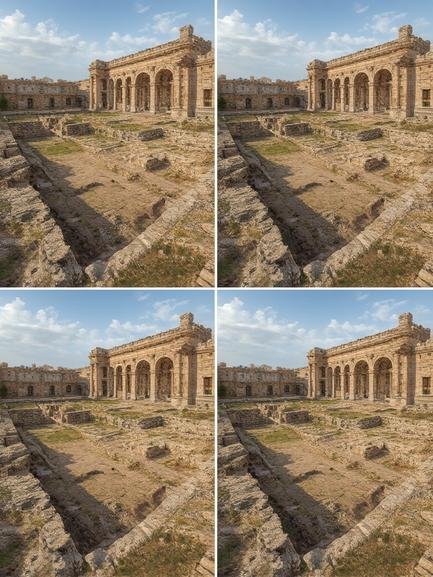
After lunch, take a petit taxi to Chellah (approximately 10 minutes). The sprawling archaeological site combines nature and history—children love spotting storks nesting on ancient walls while parents can read the informative placards about Roman and Islamic periods. The site’s vastness allows energetic kids to roam freely.
Day two can focus on modern attractions. Begin at the Mohammed VI Museum in the morning, where family travel in Morocco intersects with contemporary culture. The museum often offers weekend workshops for children. Afterward, walk to Jardin d’Essais Botaniques, a lush garden where kids can identify exotic plants and enjoy open spaces.
Conclude your exploration at the Rabat Beach (Plage de Rabat) in late afternoon, where families can relax, build sandcastles, or wade in shallow areas while watching traditional fishing boats.
Nearby Attractions, Food & Accommodation
Just across the river, Salé offers additional family attractions including the Aquarium of Rabat-Salé and traditional pottery workshops where children can try their hand at clay modeling. A day trip to the coastal town of Temara (20 minutes south) provides more relaxed beaches and the popular Temara Zoo.
Family-friendly dining options include:
– Le Dhow floating restaurant on the Bou Regreg River
– Ty Potes crêperie with sweet and savory options appealing to young palates
– Pizza du Palais for familiar comfort food with Moroccan touches
– Yamal Acham for safe street food experiences in a proper restaurant setting
Accommodation recommendations for families:
– Budget: Dar El Ouedghiri riad with family rooms and a central courtyard
– Mid-range: Hotel Belere with a swimming pool and family suites
– Luxury: Sofitel Jardins des Roses with extensive gardens, pools, and children’s amenities
Travel Tips & Common Mistakes to Avoid
When planning your family visit:
• Don’t overpack your itinerary—children appreciate downtime between attractions
• Carry plenty of water, especially during warmer months
• Bring sun protection including hats, sunscreen, and sunglasses
• Schedule indoor activities during midday heat
• Use petit taxis for longer distances as they’re inexpensive and reliable
• Download offline maps before your trip for easy navigation
• Learn basic French phrases as they’re more widely understood than English
• Confirm museum closing days—many are closed on Mondays
• Book accommodations with swimming pools for refreshing breaks
• Respect photo-taking etiquette with locals, especially with children
Avoid these common mistakes:
• Skipping breakfast at your hotel—morning options can be limited
• Attempting too many sites in one day, leading to cranky children
• Missing evening strolls along Mohammed V Avenue when locals come out
• Overlooking smaller museums like the Postal Museum, which often delight children
• Forgetting to negotiate taxi fares before beginning journeys outside the city
Conclusion
Rabat for families offers a perfect introduction to Moroccan culture without the overwhelming aspects of larger tourist destinations. The city’s walkable size, diverse attractions, and welcoming atmosphere make it an excellent choice for those new to North African travel. Children will return home with memories of blue-washed alleys, ancient ruins where storks nest, and the rhythmic call to prayer that defines daily life in this enchanting capital. Family travel in Morocco begins with its most accessible city—start planning your Rabat adventure today and discover the perfect balance of education, relaxation, and cultural immersion that will create lifelong memories for every family member.
FAQs
Is Rabat safe for families with young children?
Yes, Rabat is considered one of Morocco’s safest cities with lower crime rates, less aggressive vendors, and wider sidewalks than other popular destinations. The royal presence ensures heightened security throughout the city.
How many days should we spend in Rabat with children?
A 2-3 day stay allows families to experience Rabat’s highlights without rushing. Add an extra day if you plan day trips to nearby Salé, Temara, or the beaches.
Are there child-specific activities in Rabat?
Yes, besides the zoo and aquarium, look for seasonal puppet shows in public gardens, beach activities, and the interactive exhibits at the Natural Science Museum. Many riads and hotels can arrange child-friendly cooking classes.
What should children wear when visiting Rabat?
Light, comfortable clothing that covers shoulders and knees is appropriate. Children can wear shorts in tourist areas, though girls may feel more comfortable in knee-length options. Always carry a light sweater for evenings.
Can we drink tap water in Rabat?
While locals drink tap water, visitors with children should stick to bottled water, which is inexpensive and widely available. Remember to check that bottles are sealed when purchased.