
Morocco’s elegant capital city reveals its treasures most intimately when explored on foot. Rabat walking tours provide travelers with an authentic immersion into the city’s unique blend of traditional Moroccan charm and French colonial influence. As you stroll through the wide palm-lined avenues and narrow medina alleys, you’ll discover why Rabat earned its UNESCO World Heritage status in 2012.
Unlike the frenetic pace of Marrakech or Fez, guided Rabat excursions offer a more relaxed introduction to Moroccan culture, making it the perfect starting point for first-time visitors to the country. The city’s manageable size and relatively flat terrain make it ideal for exploring by foot, allowing you to soak in the atmosphere at a leisurely pace.
History & Cultural Background

Rabat’s rich history spans nearly nine centuries, beginning with its founding in the 12th century by the Almohad ruler Abd al-Mu’min. The city’s name comes from “Ribat al-Fath,” meaning “Fortress of Victory,” reflecting its original military purpose. Though Rabat lost prominence after the Almohad dynasty fell, it experienced a renaissance during the 17th century when Andalusian refugees settled in what is now the Kasbah des Oudaias.
The modern era of Rabat began in 1912 when French Resident General Hubert Lyautey designated it as the capital of the French Protectorate of Morocco. This period introduced European urban planning while preserving the historic medina, creating the dual character that defines the city today. After Morocco gained independence in 1956, Rabat remained the capital, becoming the seat of the royal family and government institutions.
Today, Rabat represents a fascinating crossroads of Berber, Arab, Andalusian, and European influences, creating a cultural tapestry that’s uniquely Moroccan yet distinctively cosmopolitan.
Architectural Highlights & Key Features
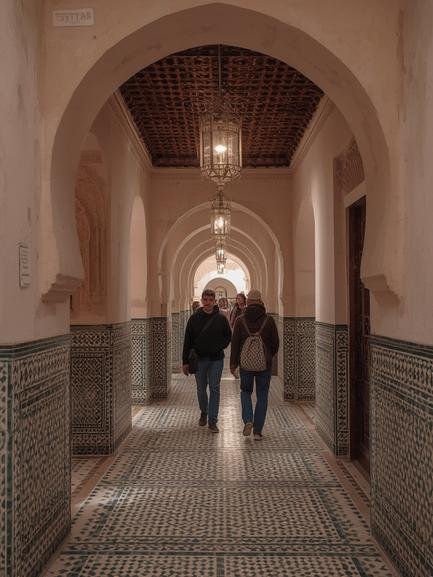
Rabat’s architectural landscape showcases an extraordinary range of styles spanning nearly a millennium of history. The majestic Hassan Tower, an incomplete 12th-century minaret, stands as a testament to the ambitious vision of Almohad rulers. Nearby, the modern Mausoleum of Mohammed V exemplifies contemporary Moroccan craftsmanship with its stunning zellige tilework and carved cedar ceilings.
In the Kasbah des Oudaias, whitewashed houses with blue accents create a Mediterranean ambiance reminiscent of Greek islands, yet distinctly Moroccan in their intricate doorways and window grilles. This fortress district offers spectacular views over the Atlantic Ocean and the Bou Regreg River.
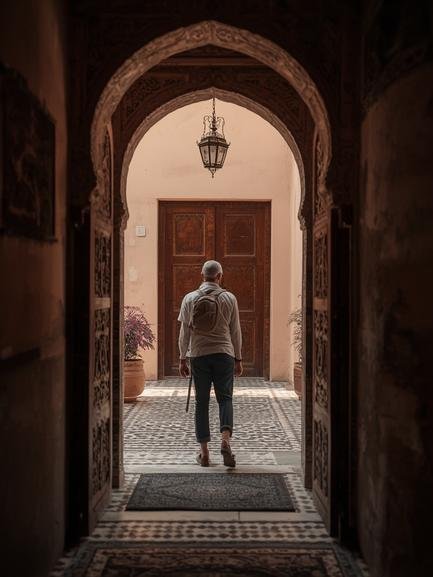
The medina features traditional Moroccan residential architecture with riads (courtyard houses) and foundouks (merchant inns), while the colonial Ville Nouvelle district showcases Art Deco and Neo-Moorish buildings. The Royal Palace, though not open to visitors, displays the grandeur of Moroccan official architecture with its imposing gates and meticulous gardens.
Chellah, an ancient Roman city later transformed into a medieval necropolis, offers a fascinating architectural palimpsest where Roman columns stand alongside Islamic funeral monuments, all now inhabited by nesting storks.
Best Time to Visit & Practical Information
The ideal seasons for exploring Rabat on foot are spring (April-May) and fall (September-October) when temperatures hover between 65-75°F (18-24°C), providing comfortable conditions for walking. Summer months can be hot but are tempered by Atlantic breezes, while winter brings mild temperatures and occasional rain.
Most historic sites operate from 9:00 AM to 6:00 PM, with the Kasbah des Oudaias offering extended hours until sunset. The medina and souks remain lively throughout the day, with many shops closing briefly during Friday afternoon prayers.
Entrance fees are reasonable: the Kasbah Museum costs 10 dirhams, while Chellah and the Hassan Tower/Mausoleum complex each charge 70 dirhams. Rabat’s efficient tram system (6 dirhams per ride) connects major districts, offering relief for tired feet between walking segments.
Modest dress is recommended, particularly when visiting religious sites. Women should carry a light scarf to cover shoulders or hair if necessary. Comfortable, closed-toe walking shoes are essential for navigating the cobblestone streets.
Step-by-Step Exploration Guide
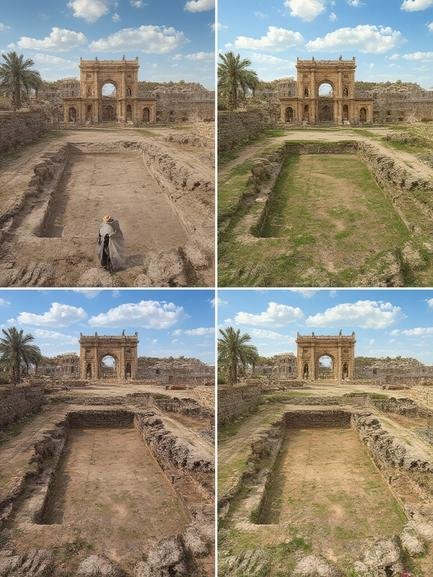
The perfect walking itinerary begins at the iconic Hassan Tower and Mausoleum complex. Arrive early to enjoy the tranquil gardens before the tour groups. From here, head north along the corniche, enjoying views of the Atlantic while making your way to the Kasbah des Oudaias. This elevated fortress neighborhood offers the most picturesque scenery in Rabat. Don’t miss the Andalusian Garden and the Oudaias Museum of Moroccan Arts.
After descending from the Kasbah, enter the medina through Bab El Had gate. Unlike the labyrinthine medinas of Fez or Marrakech, Rabat’s walled city is easy to navigate. Most Rabat walking tours include stops at the Mellah (former Jewish quarter), the Grand Mosque, and the artisan workshops where you can witness traditional crafts like carpet weaving and metalwork. This area is perfect for photography, especially in the late afternoon when the light casts a golden glow on the ancient walls. guided Rabat excursions often include expert narration about the medicinal herbs, traditional foods, and handicrafts found in the souks.
Conclude your walk in the Ville Nouvelle, where wide boulevards lined with cafés provide a perfect resting place. Mohammed V Avenue connects to the Royal Palace area, offering a glimpse of official Morocco.
Nearby Attractions, Food & Accommodation
While exploring Rabat, consider a day trip to neighboring Salé across the Bou Regreg River, accessible by boat or bridge. The Salé medina offers a more authentic, less touristy experience. The Roman ruins of Volubilis make another excellent excursion, located about two hours away by train or car.
For dining, sample traditional Moroccan cuisine at Dinarjat, housed in a beautifully restored riad in the medina. Le Dhow, a restaurant on a converted boat moored on the Bou Regreg, offers spectacular views and fusion cuisine. For budget options, try the food stalls around Rue des Consuls or enjoy a sunset mint tea at Café Maure in the Kasbah.
Accommodation ranges from luxury options like Hotel Sofitel Jardin des Roses and Villa Mandarine to mid-range choices such as Riad Kalaa and Hotel des Oudaias. Budget travelers will find clean, affordable rooms at Medina Hostel and Dar El Mouhit.
Travel Tips & Common Mistakes to Avoid
Many visitors mistakenly rush through Rabat, considering it merely a gateway to more famous Moroccan destinations. Allow at least two full days to appreciate the city properly. Another common error is neglecting to visit on Fridays when many sites close early for Islamic prayer services.
Practical tips:
• Download the Rabat city map on your phone before arrival
• Carry small denominations of dirhams for entrance fees and tips
• Stay hydrated – public drinking fountains are scarce
• Negotiate taxi fares before entering the vehicle
• Learn a few Arabic or French phrases – locals appreciate the effort
• Be cautious with photography, especially of government buildings
• Use sunscreen and wear a hat – the sun can be intense even on cloudy days
• Book a guided tour for your first day to get oriented before exploring independently
Conclusion
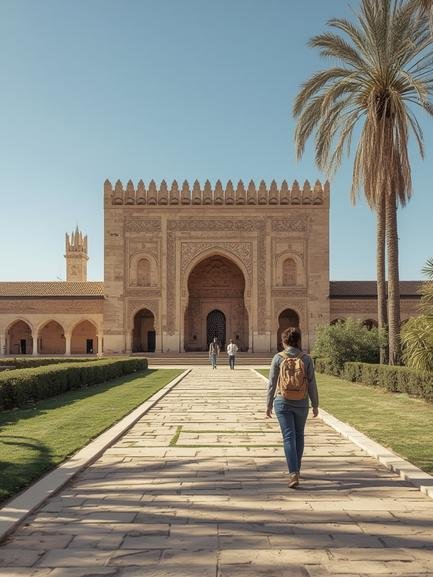
The imperial city of Rabat deserves its place among Morocco’s cultural treasures, offering visitors a perfect balance of historical immersion and modern comfort. Rabat walking tours reveal the city’s multilayered identity, from ancient Roman settlements to medieval Islamic monuments and colonial-era boulevards. What makes these explorations special is the relaxed pace – unlike the sensory overload of other Moroccan cities, Rabat invites contemplation and genuine cultural exchange. Whether you join one of the excellent guided Rabat excursions or create your own itinerary, walking these historic streets connects you to centuries of Moroccan heritage. As you plan your Moroccan journey, consider starting in this elegant capital city – your feet will thank you, and your understanding of this fascinating country will be all the richer for it.
FAQs
How long does a typical walking tour of Rabat take?
Most comprehensive walking tours of Rabat’s main attractions take 3-4 hours, though many visitors prefer to spread their exploration over two days to enjoy a more relaxed pace and have time for shopping and dining.
Is Rabat safe for solo travelers?
Yes, Rabat is considered one of the safest cities in Morocco for tourists, including solo travelers. The city has a visible police presence, especially in tourist areas, and violent crime is rare. Standard precautions against pickpocketing are advisable.
Are there English-speaking guides available?
Yes, numerous tour companies offer English-guided walking tours of Rabat. It’s recommended to book in advance during high season (April-June and September-October). Many hotel concierges can arrange last-minute private guides as well.
What should I wear for a walking tour of Rabat?
Comfortable walking shoes are essential for navigating cobblestone streets. Dress modestly, with shoulders and knees covered, especially when visiting religious sites. Layered clothing is ideal as temperatures can vary significantly between sunny and shaded areas.
Can I take photographs everywhere during walking tours?
Photography is generally permitted at major tourist sites, though some museums and the Royal Palace area have restrictions. Always ask permission before photographing individuals, especially in the medina. Some craftspeople may request a small tip for photos of their workshops.