
Morocco’s capital city provides the perfect backdrop for linguistic and cultural immersion through its excellent Rabat language courses. Combining formal education with authentic daily practice, these programs allow visitors to develop their Arabic language skills while exploring one of North Africa’s most fascinating cities. Whether you’re a beginner looking to learn basic phrases or an advanced student aiming for fluency, Rabat offers a range of options tailored to different needs, timeframes, and budgets. The city’s unique position as both an administrative center and cultural hub creates an ideal environment for language acquisition, surrounded by historical monuments, vibrant markets, and the genuine warmth of Moroccan hospitality.
History & Cultural Background
Language education in Rabat has deep historical roots that reflect Morocco’s complex linguistic landscape. The country’s official languages include Modern Standard Arabic and Amazigh (Berber), while Moroccan Arabic (Darija) is the dialect used in everyday conversation. French remains widely spoken due to colonial influence, creating a fascinating multilingual environment.
The formalization of language instruction for foreigners began in the post-independence era of the 1960s when Morocco recognized the importance of cultural exchange. What started as small private initiatives gradually developed into established institutions. Today, the city hosts numerous language centers that combine traditional teaching methods with modern approaches to language acquisition.
The cultural significance of these programs extends beyond mere language learning—they serve as bridges between civilizations, fostering mutual understanding and appreciation. Many schools incorporate cultural components like calligraphy, cooking classes, and music to provide a holistic experience of Moroccan life.
Architectural Highlights & Key Features
Language schools in Rabat are housed in various settings that showcase the architectural diversity of the city. Many prestigious institutes occupy restored traditional buildings with stunning features:
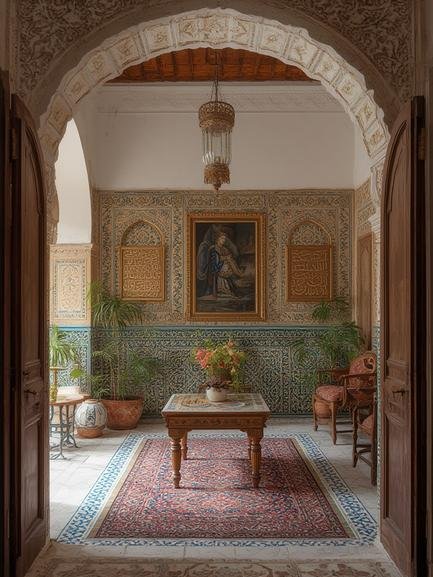
– Riads: Some language centers operate from traditional Moroccan houses built around central courtyards, featuring intricate zellige tilework, carved cedar, and ornate plasterwork.
– Colonial-Era Buildings: Several schools are located in renovated French colonial structures with high ceilings, large windows, and a blend of European and Moroccan design elements.
– Modern Facilities: Newer institutions offer contemporary learning environments with state-of-the-art technology and purpose-built classrooms.
Key features that distinguish Rabat’s language schools include dedicated libraries with Arabic resources, multimedia labs for audio-visual learning, communal spaces for cultural events, and often rooftop terraces where students can practice conversation while enjoying views of the city.
Best Time to Visit & Practical Information
Optimal Seasons
– Spring (March-May) and Fall (September-November) offer pleasant temperatures and fewer tourists
– Summer courses (June-August) are popular but temperatures can reach above 30°C/86°F
– Winter programs (December-February) benefit from mild weather and lower prices
Course Options
– Intensive programs: 20-30 hours weekly (1-3 months)
– Standard courses: 10-15 hours weekly (flexible duration)
– Private lessons: Customizable schedules
– Academic year programs: 9-month comprehensive studies
Price Range
– Budget courses: 100-150 USD per week
– Mid-range options: 150-250 USD per week
– Premium programs: 250-400 USD per week
– Most schools offer accommodation packages for additional fees
Visa Requirements
Most visitors need to apply for a tourist visa valid for up to 90 days. For longer study periods, a student visa is required, which your chosen language school can help arrange.
Step-by-Step Exploration Guide
Stage 1: Research and Selection
1. Determine your language goals and preferred learning style
2. Research accredited Rabat language courses offering Arabic language skills development
3. Compare course structures, teaching methods, and student reviews
4. Contact shortlisted schools for detailed information
5. Consider accommodation options (homestay provides maximum immersion)
Stage 2: Preparing for Your Language Journey
1. Learn basic greetings and phrases before arrival
2. Familiarize yourself with the Arabic alphabet
3. Pack appropriate clothing respecting local customs
4. Download language apps and resources as supplements
5. Arrange airport pickup through your school if available
Stage 3: Making the Most of Your Language Course
1. Participate in all cultural activities offered by your school
2. Explore different neighborhoods to practice with locals
3. Visit the medina regularly to apply vocabulary in real situations
4. Join language exchange meetups with Moroccans learning your language
5. Keep a daily journal in Arabic to reinforce learning
Nearby Attractions, Food & Accommodation
Must-Visit Places Between Classes
– Kasbah of the Udayas: Historic fortress with stunning ocean views
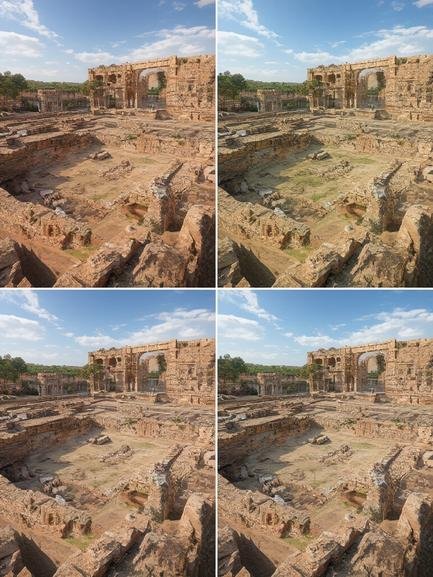
– Chellah: Archaeological site combining Roman ruins and medieval Islamic architecture
– Hassan Tower: Incomplete 12th-century minaret and symbol of Rabat
– Royal Palace: Impressive exterior of the king’s official residence
– Mohammed VI Museum of Modern Art: Showcasing contemporary Moroccan artwork
Where to Practice Your Arabic
– Rabat Medina: Navigate the traditional market while trying out new vocabulary
– Café Maure: Practice ordering in Arabic while enjoying mint tea and pastries
– Andalusian Gardens: Chat with locals in this peaceful green space
– Atlantic Coast: Join locals for evening promenades along the beach
– Ville Nouvelle: Experience modern Moroccan life in the new city
Recommended Accommodation
– Homestays: The best option for language immersion (80-150 USD/week)
– Medina guesthouses: Authentic experience in the old city (40-80 USD/night)
– Mid-range hotels: Comfortable options in Agdal district (60-120 USD/night)
– Apartment rentals: Good for longer stays (500-800 USD/month)
Travel Tips & Common Mistakes to Avoid
Smart Preparation
– Start learning the Arabic alphabet before arrival
– Bring a small notebook for vocabulary collection
– Download offline Arabic dictionaries and translation apps
– Pack modest clothing that covers shoulders and knees
– Bring voltage adapters for electronic devices
Common Mistakes
1. Focusing only on Modern Standard Arabic: While academically important, learning some Darija (Moroccan dialect) is essential for daily interactions
2. Staying within an expat bubble: Avoid socializing exclusively with other international students
3. Neglecting cultural context: Language is inseparable from culture; participate in cultural activities
4. Expecting rapid fluency: Set realistic goals based on your study duration
5. Overlooking non-verbal communication: Pay attention to gestures and social customs
Practical Tips
– Use weekends for excursions to practice Arabic in different contexts
– Record your teacher’s pronunciation for practice
– Establish a regular study routine outside class hours
– Find a language exchange partner for additional practice
– Don’t be afraid to make mistakes—they’re essential for learning
Conclusion
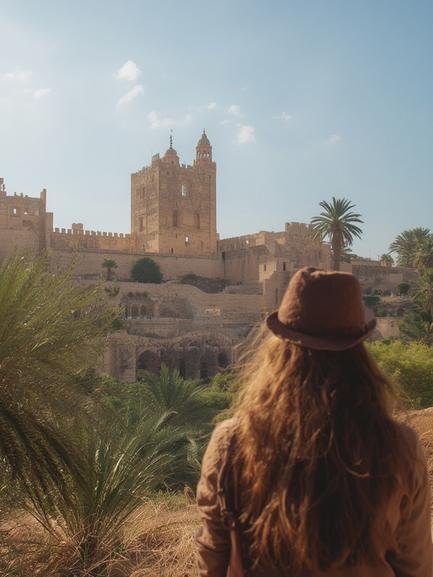
Learning a language in its native environment creates unparalleled opportunities for both linguistic and personal growth. Rabat language courses offer this transformative experience, combining structured learning with daily immersion in Moroccan culture. Students develop Arabic language skills while forming meaningful connections with local people, gaining cultural insights impossible to acquire from textbooks alone. Whether you choose a two-week intensive program or a semester-long study, Rabat provides the perfect setting to advance your Arabic while exploring Morocco’s enchanting capital. Don’t just learn Arabic—experience it in the dynamic, historical context of this Atlantic coastal gem. Start planning your language journey to Rabat today and embark on an adventure that will enhance not just your linguistic abilities but your understanding of a fascinating world region.
FAQs
How long does it take to learn basic conversational Arabic in Rabat?
With intensive daily study and practice, most students can achieve basic conversational ability within 4-6 weeks. Progress depends on your learning background, time commitment, and willingness to practice outside the classroom.
Is it safe for solo female travelers to study in Rabat?
Yes, Rabat is considered one of the safest cities in Morocco and is relatively progressive. However, standard precautions are recommended: dress modestly, be aware of your surroundings, and respect local customs. Most language schools provide safety guidance upon arrival.
Can I learn both Modern Standard Arabic and Moroccan dialect simultaneously?
Yes, many schools offer combined programs. While this approach is more challenging, it provides a more comprehensive language experience. Some schools recommend starting with one variant before adding the other.
What accommodation options provide the best language immersion?
Homestays with Moroccan families offer the most immersive experience as they provide opportunities to practice Arabic in daily life situations and gain insights into authentic Moroccan culture and customs.
Do I need prior knowledge of Arabic to join a language course in Rabat?
No, most language centers offer courses for complete beginners through advanced levels. Schools typically conduct placement tests upon arrival to determine your starting level and appropriate class placement.