
Welcome to the captivating world of Rabat arts and culture, where centuries of Moroccan heritage blend seamlessly with contemporary creative expressions. As Morocco’s capital city, Rabat stands as a testament to the nation’s artistic soul and cultural depth.
The city’s UNESCO World Heritage status reflects its extraordinary Moroccan cultural heritage value, offering visitors an immersive journey through time. From ancient ruins to cutting-edge galleries, Rabat presents a fascinating cultural landscape that rewards curious travelers with authentic experiences and unexpected discoveries.
History & Cultural Background
Rabat’s cultural identity has been shaped by a remarkable succession of civilizations. Founded as a Phoenician trading post in the 3rd century BCE, the city later became a Roman outpost before emerging as an important Islamic center in the 10th century. The Almohad dynasty transformed Rabat in the 12th century, constructing the iconic Kasbah of the Udayas and Hassan Tower.
The city’s modern cultural renaissance began during the French Protectorate (1912-1956), which introduced European architectural influences while preserving Moroccan traditions. When Morocco gained independence, Rabat was firmly established as both the political capital and a cultural powerhouse. Today, the city honors this rich past while embracing contemporary artistic movements, creating a unique cultural tapestry that reflects Morocco’s evolving identity.
Architectural Highlights & Key Features
Rabat’s architectural landscape offers a fascinating journey through Moroccan design history:
- Hassan Tower and Mausoleum of Mohammed V: This complex showcases exquisite Islamic architecture, featuring the incomplete 12th-century minaret and the stunning modern mausoleum with its traditional Moroccan craftsmanship.
- Kasbah of the Udayas: This fortified citadel features distinctive blue and white Andalusian-style buildings, beautiful Islamic gardens, and panoramic views of the Atlantic Ocean.
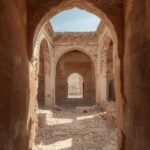
- Chellah Necropolis: These atmospheric ruins blend Roman and Islamic architectural elements, creating a hauntingly beautiful site where history seems to come alive.
- Royal Palace: While not open to the public, its magnificent exterior displays the finest examples of Moroccan palatial architecture with elaborate gates and ornate details.
- Museum of Contemporary Art: Housed in a renovated historic building, this space exemplifies how Rabat harmoniously integrates modern design within traditional settings.
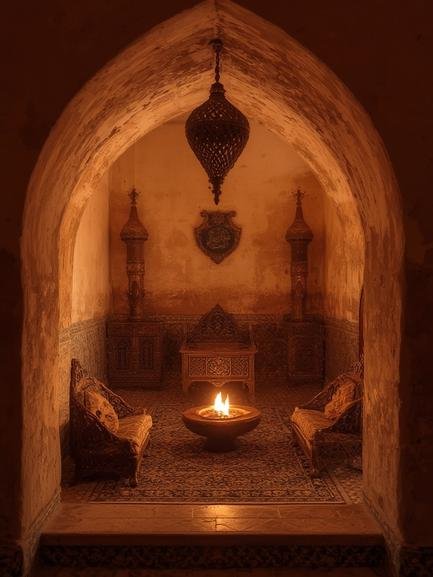
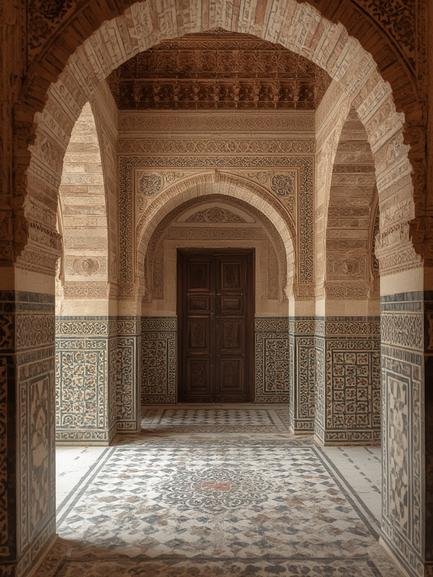
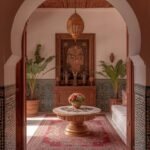
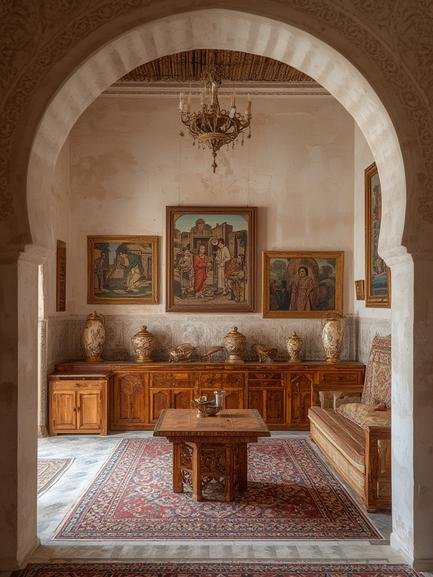
The city’s architectural identity is defined by ornate geometric patterns, zellige tilework, carved cedarwood, stucco decorations, and grand archways—all hallmarks of Morocco’s distinctive architectural language.
Best Time to Visit & Practical Information
Rabat enjoys a pleasant Mediterranean climate, making spring (April-May) and fall (September-October) the ideal seasons to explore its cultural offerings. Summer months can be hot but are manageable with morning or evening visits to outdoor sites.
Most museums and cultural venues operate Tuesday through Sunday, typically from 9:00 AM to 5:00 PM, with many closing for lunch from 12:00 PM to 2:00 PM. The Hassan Tower complex and Kasbah of the Udayas are accessible daily from sunrise to sunset.
Entrance fees are generally modest (20-70 Moroccan dirhams per site), with many gardens and public spaces available free of charge. A combined ticket option is available at some locations.
While Rabat is relatively relaxed compared to other Moroccan cities, modest dress is appreciated when visiting religious sites. Comfortable walking shoes are essential, as many cultural areas feature cobblestone paths and stairs.
Rabat’s efficient tram system connects many major cultural sites, with single rides costing just 6 dirhams. Petit taxis provide another convenient option for reaching more remote attractions.
Step-by-Step Exploration Guide
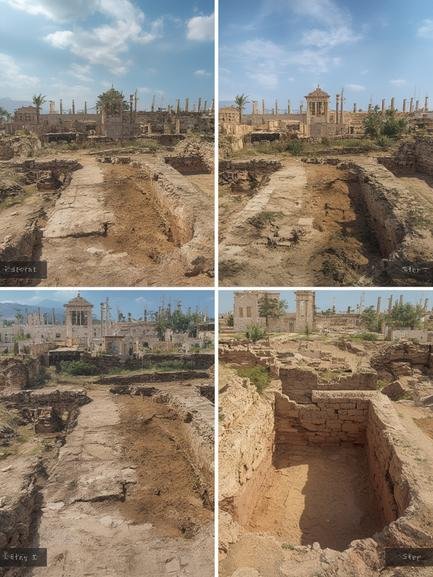
To fully appreciate Rabat’s arts and culture, follow this curated exploration route that maximizes your experience of the city’s Moroccan cultural heritage:
Day 1: Historic Core
1. Begin at the Hassan Tower and Mausoleum complex in the morning (ideal for photos)
2. Walk to the nearby Archaeological Museum to understand Rabat’s ancient roots
3. Break for lunch at a café in the modern city center
4. Explore the Medina in the afternoon, visiting artisan workshops and the Rue des Consuls
5. End your day watching sunset from the Kasbah of the Udayas
Day 2: Contemporary Culture
1. Start at the Villa des Arts to experience Rabat’s modern art scene
2. Visit the National Library, which hosts rotating cultural exhibitions
3. Explore the Mohammed VI Museum of Modern and Contemporary Art
4. Wander through the Andalusian Gardens for artistic inspiration
5. Attend an evening performance at the Mohammed V National Theater (check schedules in advance)
Day 3: Cultural Outskirts
1. Begin at Chellah Necropolis early to enjoy its peaceful atmosphere
2. Visit the Oudaias Museum to view traditional Moroccan crafts
3. Explore the Royal Palace exterior and surrounding gardens
4. End at the Botanical Test Gardens to understand Morocco’s natural heritage
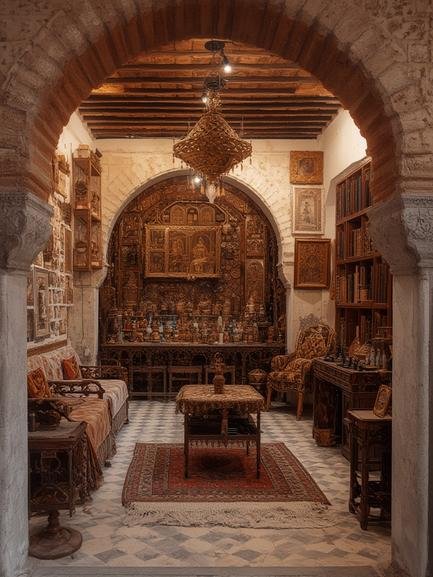
For photography enthusiasts, the golden hour light at the Kasbah and Hassan Tower creates magical opportunities. The hidden gem of Rabat’s cultural scene is the little-known Belghazi Museum, housing an extraordinary private collection of Moroccan artifacts.
Nearby Attractions, Food & Accommodation
Cultural Extensions:
- Salé: Just across the Bouregreg River, explore this authentic sister city with its Grand Mosque and Medersa
- Témara: Visit nearby beaches and the crafts market
- Kenitra: A short train ride away, offering additional cultural experiences
Culinary Experiences:
- Upscale: Dinarjat (traditional Moroccan in a riad setting)
- Mid-range: Le Dhow (floating restaurant with cultural performances)
- Budget-friendly: Café la Renaissance (local favorite with authentic dishes)
- Must-try: Sample Rabat’s famous “kaâb el ghzal” (gazelle horns) pastries at Pâtisserie Hilton
Accommodation Options:
- Luxury: Villa Mandarine (cultural-themed boutique hotel)
- Mid-range: Riad Kalaa (traditional experience in the medina)
- Budget: Hotel Rabat (clean, central, and affordable)
Travel Tips & Common Mistakes to Avoid
Cultural Insights:
- Greet locals with “Salam alaikum” as a sign of respect
- Museums often have minimal English signage; consider hiring a guide for deeper insights
- Photography is restricted in some religious sites; always ask permission
- Bargaining is expected in markets but not in established galleries
Common Mistakes:
- Rushing through sites without understanding their cultural significance
- Missing the Museum of Contemporary Art due to its location outside the main tourist areas
- Visiting the medina during Friday prayer times when many shops close
- Overlooking smaller cultural venues that often host authentic performances
Practical Tips:
- Purchase a multi-site cultural pass for savings
- Download a map of cultural sites, as some are tucked away in narrow streets
- Respect prayer times when visiting religious monuments
- Carry cash for smaller cultural venues and artisan shops
Conclusion
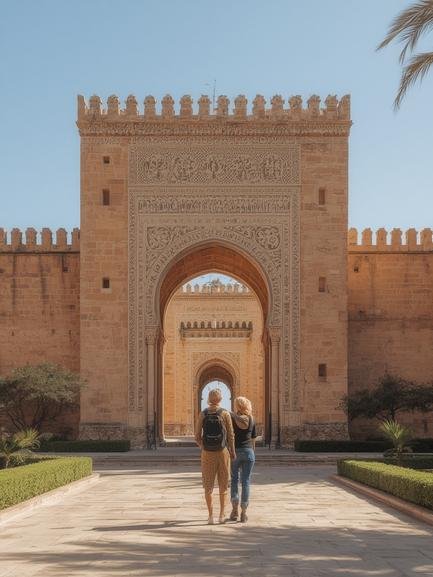
Rabat’s arts and culture represent the soul of Morocco—a fascinating blend of ancient traditions and forward-thinking creativity. The city’s cultural landscape offers visitors a unique opportunity to witness the evolution of Moroccan cultural heritage from its historical roots to its contemporary expressions. Whether you’re admiring centuries-old craftsmanship at the Kasbah, contemplating modern works at the Mohammed VI Museum, or simply absorbing the authentic atmosphere of the medina, Rabat rewards cultural explorers with meaningful experiences that go far beyond typical tourism. As you plan your Moroccan journey, give yourself the gift of time in this elegant capital—a place where art and culture aren’t just attractions but living traditions that continue to evolve while honoring their profound heritage.
FAQs
Q: How many days should I allocate to exploring Rabat’s cultural sites?
A: A minimum of two full days is recommended to appreciate Rabat’s main cultural attractions. Art enthusiasts may want to add a third day to explore galleries and museums more thoroughly.
Q: Are there any photography restrictions at Rabat’s cultural sites?
A: Photography is generally permitted at most outdoor monuments and in museums (without flash). However, photographing people without permission, particularly in religious sites, is considered disrespectful.
Q: Is Rabat safe for solo cultural travelers?
A: Rabat is considered one of Morocco’s safest cities with a relatively relaxed atmosphere. Solo travelers exploring cultural sites during daylight hours typically encounter no problems, though standard travel precautions are advised.
Q: Are guided tours available for Rabat’s cultural attractions?
A: Yes, official guides can be arranged through hotels or the tourist office near Hassan Tower. For deeper cultural insights, specialized thematic tours focusing on architecture, art, or history can be booked in advance.
Q: What cultural events or festivals should I plan my visit around?
A: The Mawazine World Music Festival (May/June) transforms Rabat into a cultural celebration. Other notable events include the Rabat Africa Festival (October) and various exhibitions at the Mohammed VI Museum throughout the year.