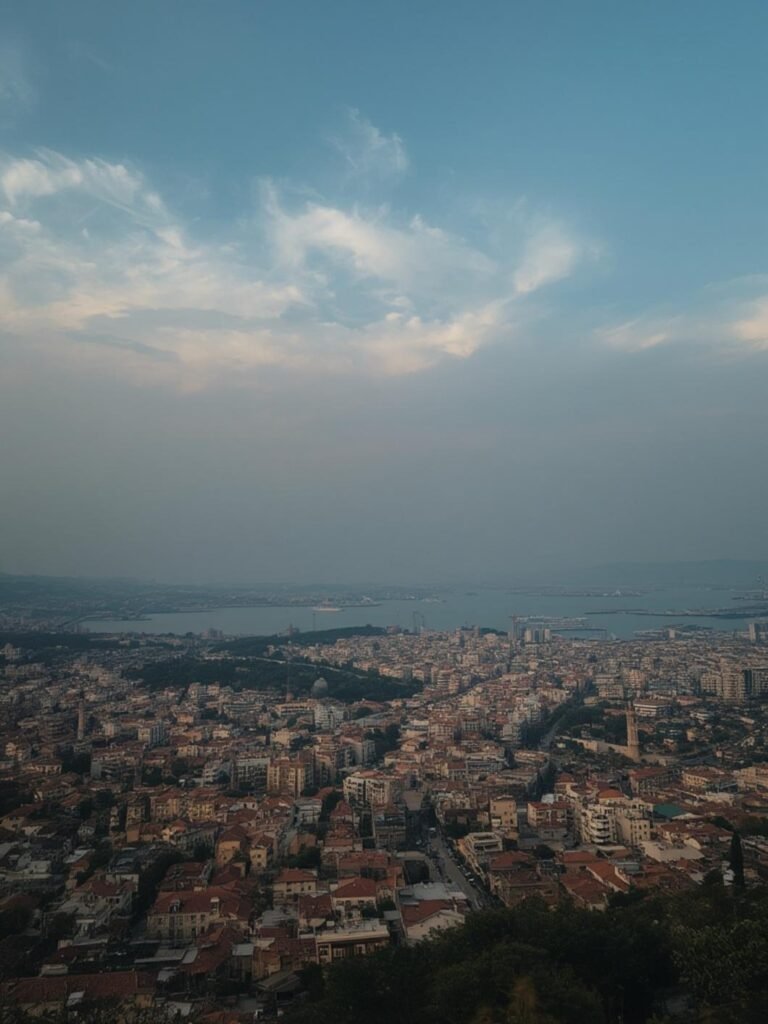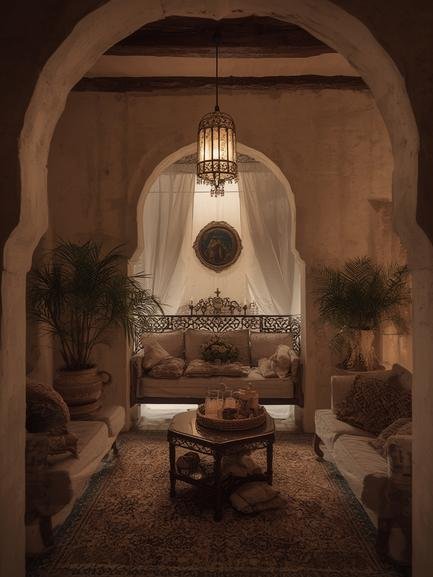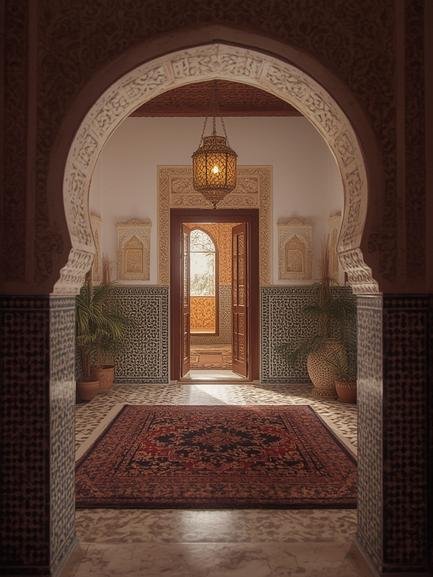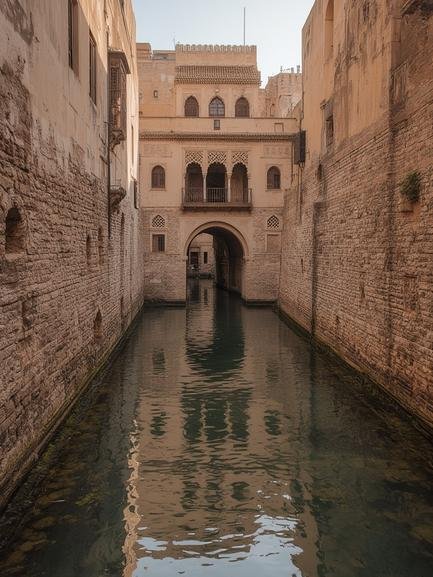

The majestic Rabat Bou Regreg River forms a natural boundary between Morocco’s capital city, Rabat, and its sister city, Salé, creating one of North Africa’s most picturesque urban waterways. This stunning estuary doesn’t just divide two cities—it connects them through centuries of shared history, commerce, and culture.
Visitors to Morocco often focus solely on Marrakech or Casablanca, overlooking the tranquil beauty and rich heritage of the Rabat waterfront area. The river’s blue waters against the backdrop of ancient fortifications and modern developments offer photographers, history enthusiasts, and leisure travelers alike an authentic glimpse into Morocco’s past and present.
History & Cultural Background
The Bou Regreg River has been a cornerstone of Moroccan civilization since the Phoenicians established trading posts at its mouth in the 7th century BC. The Romans later developed these settlements into the colony of Sala Colonia. However, it was during the 12th century, when the Almohad dynasty established their capital here, that the river gained strategic importance.
In the 17th century, the river became infamous as the base for the Salé Rovers—Barbary pirates who used the river’s protective harbor to launch raids throughout the Mediterranean and Atlantic. The defensive structures built along the riverbanks, including the imposing Kasbah of the Udayas, reflect this tumultuous history.
Today, the river represents a symbol of urban renewal and cultural pride. The Bouregreg Valley Development Project, launched in the early 2000s, has transformed the riverbanks into vibrant public spaces while preserving historical monuments, creating a harmonious blend of past and present.
Architectural Highlights & Key Features
The Bou Regreg River basin features several architectural marvels that showcase Morocco’s diverse heritage:
– Kasbah of the Udayas: This 12th-century fortress stands guard at the river mouth, featuring stunning Andalusian gardens and traditional blue-and-white painted streets.
– Hassan Tower: On the Rabat side, this incomplete 12th-century minaret was intended to be the world’s largest mosque but was abandoned after Sultan Yacoub al-Mansour’s death.
– Chellah Necropolis: These Roman ruins, later transformed into a medieval Muslim necropolis, blend Roman, Islamic, and Merinid architectural styles in a lush garden setting near the riverbank.
– Mohammed VI Bridge: This modern cable-stayed bridge spans the river mouth, symbolizing the connection between tradition and modernity with its contemporary design.
– Marina Bouregreg: A modern development featuring a yacht harbor, restaurants, and shopping areas represents Morocco’s forward-looking vision.
The river itself stretches approximately 240 kilometers from its source in the Middle Atlas Mountains before widening into a picturesque estuary between Rabat and Salé.
Best Time to Visit & Practical Information
Ideal Visiting Times:
– Spring (March-May): Perfect weather with temperatures between 65 and 75°F (18-24°C) and blooming landscapes.
– Fall (September-November): Similarly pleasant temperatures with fewer tourists.
– Sunset hours: Particularly magical for photography as the setting sun bathes the fortifications in golden light.
Practical Information:
– Getting There: The river is accessible from multiple points in both Rabat and Salé. The tram system has stops near key viewpoints.
– River Cruises: Available daily from 10 AM to 5 PM (100-150 MAD per person).
– Walking Tours: Free to explore independently, or guided tours available (200-300 MAD).
– Photography Permits: No special permits required for personal photography.
– Dress Code: Modest casual wear is appropriate; comfortable walking shoes are recommended.
Step-by-Step Exploration Guide
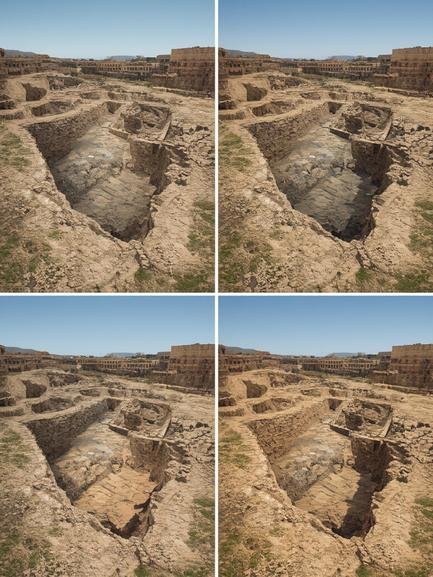
To fully experience the Rabat Bou Regreg River, follow this recommended route for the perfect day of exploration:
1. Start at Kasbah of the Udayas (9:00 AM): Begin at this elevated fortress for panoramic views of the Rabat waterfront and river mouth. Explore the narrow blue streets and Andalusian gardens.
2. Rabat Beach (10:30 AM): Walk down to the Atlantic shore where the river meets the ocean for striking photographs of the kasbah against the water.
3. Take a River Cruise (11:30 AM): Board a traditional boat near the marina for a 45-minute cruise offering unique perspectives of both city skylines.
4. Lunch in the Marina (1:00 PM): Enjoy fresh seafood at one of the waterfront restaurants in the modern Bouregreg Marina.
5. Cross to Salé (2:30 PM): Take the boat taxi across to Salé (3 MAD) or walk across the Mohammed VI Bridge.
6. Explore Salé Medina (3:00 PM): Less touristy than Rabat’s medina, offering authentic shopping experiences and the Grand Mosque.
7. Sunset at Riverbank Park (5:30 PM): Return to Rabat’s side and stroll along the newly developed riverbank parks for sunset views.
8. Evening at Oudaias Platform (7:00 PM): Finish your day watching the lights come on across the river while enjoying mint tea at a café near the kasbah.
Nearby Attractions, Food & Accommodation
Nearby Attractions:
– Hassan Tower and Mausoleum of Mohammed V (15-minute walk)
– Rabat Medina (10-minute walk)
– Chellah Necropolis (30-minute walk or short taxi ride)
– Rabat Archaeological Museum (15-minute walk)
Food Recommendations:
– Luxury: Dar Naji for traditional Moroccan cuisine with river views
– Mid-range: Le Dhow, a restaurant on a converted boat in the marina
– Budget: Street food stalls along Avenue Mohammed V
Accommodation:
– Luxury: Sofitel Rabat Jardin des Roses (15-minute drive)
– Mid-range: Riad Dar El Kebira (in the medina, 10-minute walk)
– Budget: Hotel Calipau Rabat (near the train station, 20-minute walk)
Travel Tips & Common Mistakes to Avoid
Common Mistakes:
– Missing the boat rides: Many visitors walk around but skip the affordable river cruises that offer the best perspectives.
– Visiting only during the daytime: The riverfront transforms at sunset and in the evening with beautiful lighting on monuments.
– Staying only on the Rabat side: Salé offers authentic local experiences with fewer tourists.
– Not timing visits with tides: Low tide can leave mud flats exposed in parts of the river, affecting views.
Practical Tips:
– Carry small change for boat taxis (3 MAD per crossing).
– Negotiate prices for souvenirs before purchasing, especially in less touristy Salé.
– Download the Rabat tram app for easy navigation between river viewpoints.
– Tuesday and Wednesday generally have fewer crowds at major attractions.
– Book river cruises in advance during high season (July-August).
Conclusion
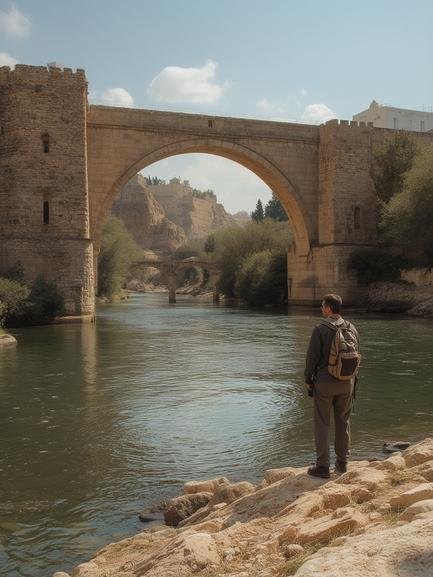
The Rabat Bou Regreg River represents the heart and soul of Morocco’s capital region—a place where history, culture, and natural beauty converge to create an unforgettable destination. Whether you’re watching traditional fishing boats against the backdrop of ancient walls, enjoying the modern leisure facilities of the marina, or simply taking in the atmospheric sunset over the water, the river offers experiences that capture Morocco’s essence. As urban development continues to enhance the riverfront while preserving its historical character, the Rabat waterfront remains an essential stop on any comprehensive Moroccan itinerary. Plan at least a full day to explore this magnificent waterway—you’ll discover why locals have treasured this natural boundary not as a divider but as the vibrant centerpiece of their twin cities.
FAQs
Is it safe to walk along the Bou Regreg River at night?
The main developed areas along the riverfront in Rabat are generally safe at night, particularly the marina and areas near major hotels. However, as in any city, it’s advisable to stay in well-lit, populated areas and avoid isolated sections, especially on the outskirts.
How long does it take to properly explore the river area?
A complete exploration requires at least one full day. However, dedicating 2-3 days allows you to experience both sides of the river thoroughly, including interior attractions in both Rabat and Salé.
Are river cruises available year-round?
Yes, cruises operate throughout the year but may be canceled during rare high winds or exceptionally rough weather. In winter months (December-February), it’s advisable to check availability in advance.
What’s the best way to photograph the river?
The Kasbah of the Udayas offers the most iconic views, especially in late afternoon light. The Mohammed VI Tower observation deck provides panoramic vistas, while boat cruises offer unique perspectives impossible to capture from land.
Is the Bouregreg River suitable for swimming?
Swimming in the river is not recommended due to currents, boat traffic, and varying water quality. Nearby Atlantic beaches offer safer swimming options when conditions permit.