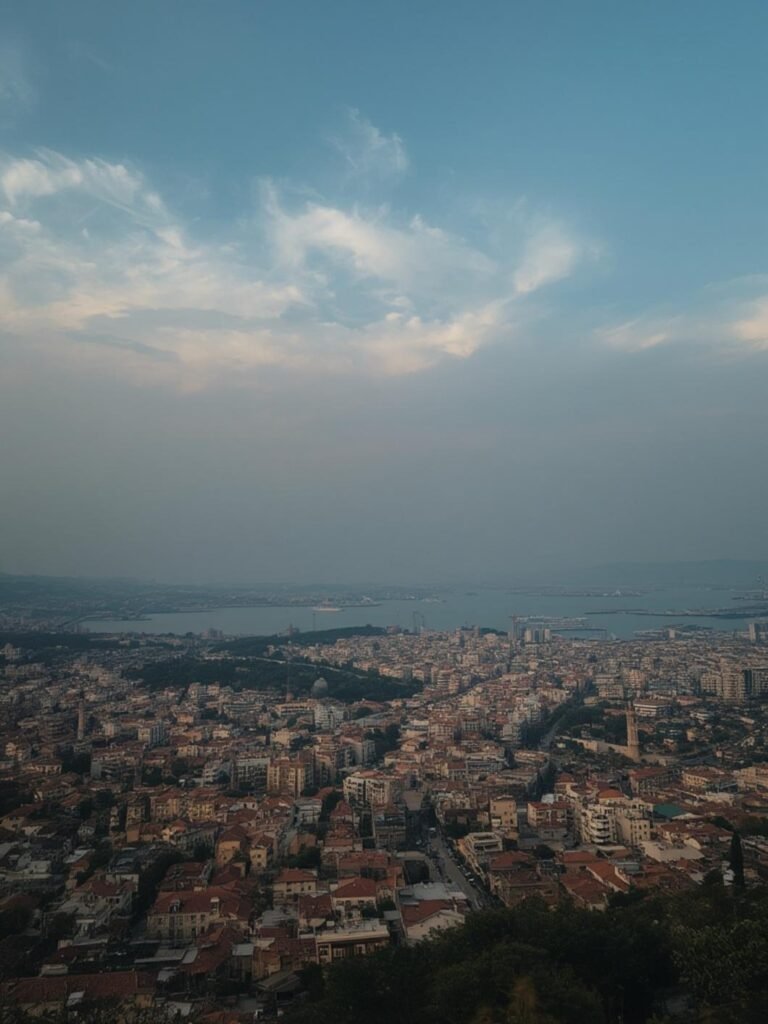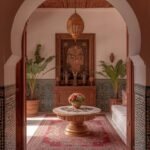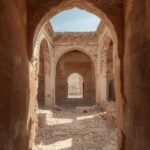

Morocco’s capital city is a treasure trove of visual delights waiting to be captured through your lens. From ancient ruins to modern architectural marvels, Rabat photography spots offer incredible diversity for both amateur and professional photographers.
The city’s unique blend of Islamic, French colonial, and contemporary influences creates a fascinating backdrop for Moroccan travel photography. Whether you’re looking to capture the historic medina’s narrow alleys, the majestic royal palaces, or the stunning Atlantic coastline, Rabat delivers photogenic scenes at every turn. This comprehensive guide will take you through the most picturesque locations in Morocco’s administrative capital.
History & Cultural Background
Rabat’s rich visual tapestry is a direct reflection of its layered history. Founded as a fortress in the 12th century by the Almohad ruler Abd al-Mu’min, the city has evolved through various dynasties, each leaving its architectural imprint. The name “Rabat” comes from the Arabic “Ribat al-Fath,” meaning “Fortress of Victory.” In 1912, when Morocco became a French Protectorate, Rabat was designated as the capital, adding European-influenced buildings to its landscape.
The city gained UNESCO World Heritage status in 2012, recognizing its unique blend of ancient Islamic heritage and early 20th-century urban planning. This cultural fusion creates a photographer’s paradise where medieval walls stand alongside Art Deco buildings, and traditional markets operate in the shadow of contemporary structures.
Architectural Highlights & Key Features
Rabat’s photographic appeal stems from its architectural diversity, with several distinct styles creating visual interest throughout the city:
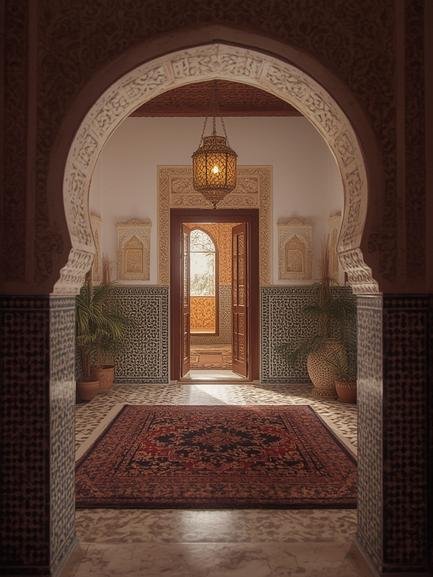
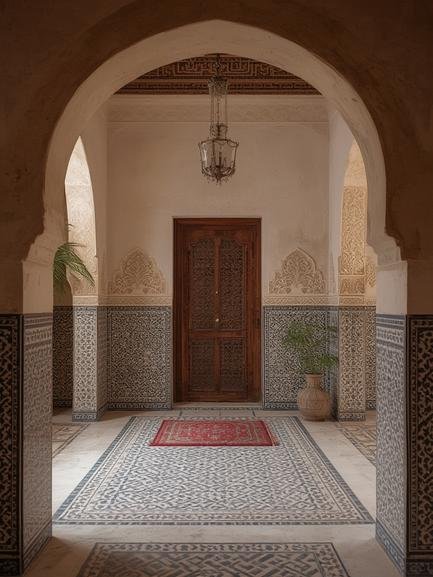
– Islamic Architecture: The Hassan Tower and the walls of Kasbah des Oudaias showcase intricate geometric patterns, horseshoe arches, and ornate calligraphy.
– French Colonial Influence: The wide boulevards and administrative buildings in the Ville Nouvelle district display Art Deco and neo-Moorish designs from the early 20th century.
– Contemporary Landmarks: The Mohammed VI Museum of Modern and Contemporary Art presents clean lines and modern aesthetics, offering a striking contrast to the ancient city.
– Natural Elements: Gardens like the Andalusian Garden and coastline views provide photographers with lush greenery and dramatic seascapes to complement the architectural shots.
The city’s unique lighting conditions—particularly the golden hour when the sun’s rays illuminate the sandstone and whitewashed buildings—create magical photographic opportunities that change with the seasons and time of day.
Best Time to Visit & Practical Information
For optimal photography conditions in Rabat, timing is essential:
– Best seasons: Spring (April-May) and fall (September-October) offer pleasant temperatures and beautiful light without the harsh summer sun.
– Golden hours: The first hour after sunrise and the last hour before sunset provide the most flattering light for photography, particularly at coastal spots.
– Blue hour: Just after sunset, the 20-minute “blue hour” creates a magical atmosphere for photographing illuminated monuments like the Hassan Tower.
– Weekday mornings: Visit popular sites early on weekdays to avoid crowds in your shots.
Most historical sites are open from 9:00 AM to 5:30 PM, with some closing for lunch from 12:00 PM to 2:30 PM. The Kasbah des Oudaias and coastal areas are accessible at all hours. While most locations allow photography without restriction, some religious sites may have limitations, so always check before shooting.
Public transportation, including the tram system, can efficiently get you between major photography spots. Alternatively, petit taxis offer an affordable way to move between more distant locations with your camera gear.
Step-by-Step Exploration Guide
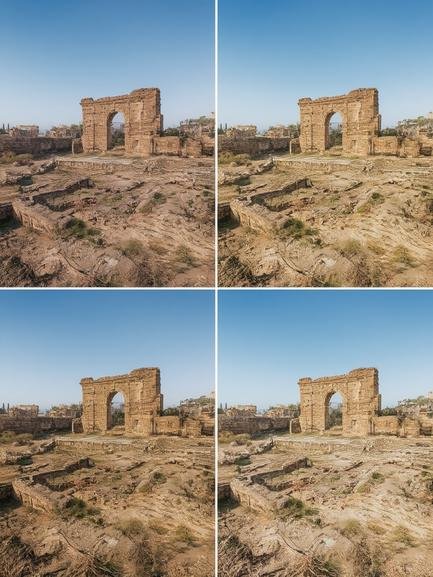
Follow this photographer’s itinerary to capture the essence of Rabat in a single day:
1. Morning: Kasbah des Oudaias – Begin your photography journey at this 12th-century fortress. Arrive early to capture the famous blue and white streets when they’re empty. The main gate (Bab Oudaia) makes for a dramatic opening shot. Don’t miss photographing the panoramic view of the Bou Regreg River from the platform at Café Maure.
2. Mid-morning: Andalusian Garden – These formal gardens within the Kasbah provide excellent opportunities for capturing vibrant flowers against whitewashed walls. Look for framing opportunities through the arched doorways.
3. Late morning: Medina – Explore the traditional market area for authentic street photography. The interplay of light and shadow in the narrow alleys creates dramatic compositions. Rabat photography spots in the medina are especially good for capturing local life and Moroccan travel photography that tells cultural stories.
4. Midday: Mohammed VI Museum – When the sun is at its harshest, head indoors to photograph this architectural marvel with its clean lines and interesting exhibitions.
5. Afternoon: Hassan Tower and Mausoleum of Mohammed V – This complex offers some of the city’s most iconic shots. Capture the unfinished minaret against the blue sky, and experiment with reflections in the ornamental pools.
6. Sunset: Rabat Beach – End your day at the coastline where you can photograph surfers, the historic Kasbah silhouette, and the dramatic sunset over the Atlantic Ocean.
For each location, try various perspectives—wide landscape shots to capture the environment, medium shots for context, and close-ups to highlight intricate details like tilework and carvings.
Nearby Attractions, Food & Accommodation
Extend your photographic journey with these nearby opportunities:
Additional Photography Locations:
– Chellah Necropolis (3km from city center) – Ancient Roman ruins with storks nesting on top
– Royal Palace exterior (not open to the public but the gates are photogenic)
– Rabat Zoo – For wildlife photography enthusiasts
Where to Eat (and Photograph Food):
– Dinarjat (in the Medina) – Traditional Moroccan cuisine in a photogenic riad setting
– Le Dhow (floating restaurant) – Offers unique shots of the river and city
– Café Maure – Perfect for photographing traditional mint tea service
Accommodations for Photographers:
– Riad Kalaa (in Kasbah) – Traditional guesthouse with photogenic courtyard
– Sofitel Jardins des Roses – Luxury option with beautiful garden photography opportunities
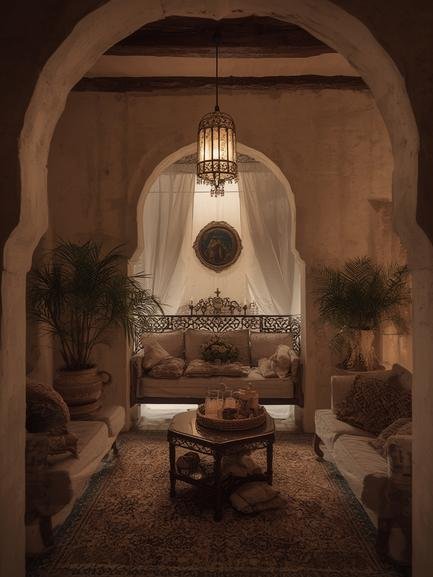
– Dar El Kebira – Boutique hotel with authentic Moroccan interiors worth capturing
Travel Tips & Common Mistakes to Avoid
Photography-Specific Tips:
– Bring a polarizing filter for shooting architecture against blue skies
– Pack lens cleaning supplies as coastal areas can be windy with salt spray
– Always ask permission before photographing locals, especially in markets
– Carry extra batteries—you’ll take more photos than you expect
Common Mistakes:
– Limiting photography to midday hours when lighting is harsh
– Failing to explore smaller side streets where authentic moments happen
– Not protecting equipment from sand near beach areas
– Rushing through locations instead of waiting for the right moment or light
– Overlooking details like ornate door knockers, colorful tiles, and traditional crafts
Conclusion
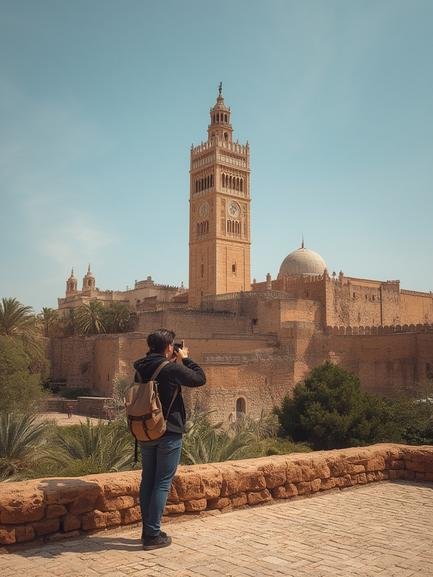
From ancient fortresses to vibrant street scenes, Rabat photography spots offer endless creative possibilities for capturing Morocco’s capital city. The remarkable contrast between traditional Islamic architecture and French colonial influences provides a unique visual narrative that makes Moroccan travel photography so compelling. Rabat’s photogenic quality comes not just from its grand monuments but also from the small moments of daily life—from fishermen mending nets by the harbor to the steam rising from mint tea being poured in a café. Pack your camera, explore these diverse locations, and you’ll return home with a stunning visual story of one of North Africa’s most beautiful capital cities. Don’t forget to share your Rabat photography experiences and tag local photography groups to connect with fellow photo enthusiasts who know the city’s hidden gems.
FAQs
Is it safe to walk around Rabat with expensive camera equipment?
Rabat is generally safe for photographers, but standard precautions apply. Use a nondescript camera bag, be aware of your surroundings, and avoid displaying expensive equipment unnecessarily, particularly at night.
How long should I plan for photography at each major site?
Allow approximately 1-2 hours for major sites like the Kasbah and Hassan Tower complex. The medina requires at least 3 hours for thorough exploration and street photography.
Are there any restrictions on tripod use at historical sites?
Tripods are generally allowed at outdoor locations but may require special permission inside museums and religious buildings. Always ask guards or staff before setting up.
What’s the best approach for photographing local people?
Always ask permission first. Learn a few phrases in Arabic or French to help break the ice. Consider printing and giving photos to people you photograph—it creates goodwill and meaningful connections.
Are there local photography tours or workshops available in Rabat?
Several local photographers offer guided photo walks focusing on specific themes like street photography or architecture. Check with tourist information centers or photography shops in Ville Nouvelle for current offerings.