
Morocco offers countless fascinating journeys for travelers, but the route from Rabat to Essaouira stands out as one of the most rewarding coastal adventures in North Africa. This scenic journey connects Morocco’s administrative capital with the laid-back, windswept charm of Essaouira, taking you through dramatic Atlantic coastlines, historic sites, and authentic Moroccan towns.
Whether you’re planning to travel by car, bus, or with a private day tour, this 370-kilometer journey offers a perfect blend of culture, history, and natural beauty. Let’s explore everything you need to know to make this memorable trip across western Morocco.
History & Cultural Background

The route connecting these two important Moroccan cities carries centuries of rich history. Rabat, established in the 12th century by the Almohad ruler Abd al-Mu’min, became Morocco’s capital in 1956 when the country gained independence. Its strategic location on the Atlantic made it a crucial port for centuries.
Essaouira, formerly known as Mogador, has even more ancient origins, with archaeological evidence of Phoenician presence dating back to the 7th century BCE. The current city was designed in the 18th century by French architect Théodore Cornut under Sultan Mohammed III, who envisioned a fortified port city with European-inspired architecture blended with traditional Moroccan elements.
The connecting areas between these cities saw the rise and fall of various Moroccan dynasties, Portuguese invasions, and French colonial influence. The coastal road itself evolved from ancient trade routes to the modern highway system that exists today, witnessing centuries of cultural exchange and historical developments.
Architectural Highlights & Key Features
The journey between Rabat and Essaouira offers diverse architectural wonders spanning multiple eras. In Rabat, don’t miss the iconic Kasbah of the Udayas with its blue and white Andalusian-influenced lanes, the Hassan Tower (the incomplete 12th-century minaret), and the modern-yet-traditional Mausoleum of Mohammed V.
Along the route, you’ll encounter the modernist structures of Casablanca, including the magnificent Hassan II Mosque with its 210-meter minaret—the tallest religious structure in the world. The French colonial architecture in Casablanca’s downtown provides a striking contrast to traditional Moroccan designs.
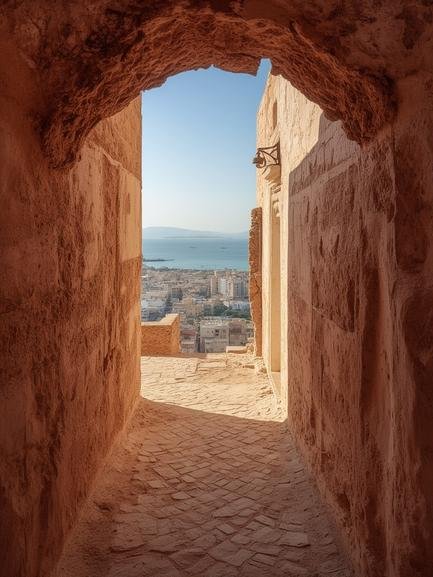
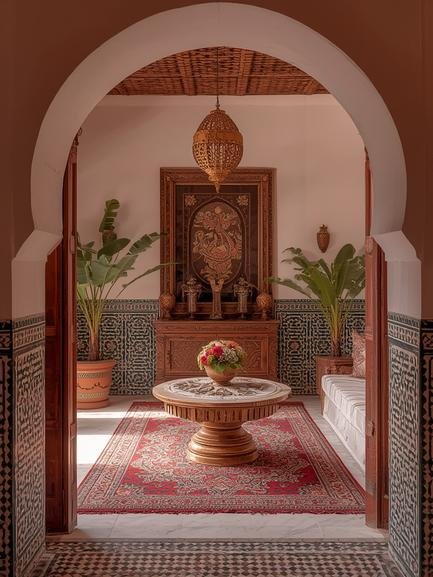
As you approach Essaouira, the landscape transforms, and you’re greeted by the distinctive blue and white fortress walls surrounding the medina—a UNESCO World Heritage site. The city’s architecture showcases a unique blend of Moroccan, Portuguese, French, and Berber influences, with wooden doors featuring intricate carvings and buildings adorned with blue shutters that stand out against whitewashed walls.
The route itself features remarkable infrastructure highlights, including bridges spanning river mouths and elevated coastal roads offering panoramic Atlantic views.
Best Time to Visit & Practical Information
The ideal time to travel from Rabat to Essaouira is during spring (March to May) and fall (September to November) when temperatures are pleasant, ranging from 15°C to 25°C (59°F to 77°F). Summer can be hot inland but remains mild in coastal areas due to the Atlantic breeze, while winter brings occasional rain but fewer tourists.
Transportation options include:
– Rental Car: The most flexible option, taking approximately 4-5 hours without stops (recommended to make it a full-day journey with sightseeing)
– Public Bus: CTM and Supratours offer direct routes (6-7 hours) for around 150-200 MAD
– Grand Taxi: Shared taxis are available but typically require changes in major cities
– Private Tour: Many companies offer customized day trips with a driver/guide for 1500-2500 MAD
The most direct route follows the A1 and N1 highways along the coast. Current road conditions are generally good, though occasional construction may cause delays. For safety, avoid night driving, especially in rural areas between cities.
Step-by-Step Exploration Guide
To make the most of your journey from Rabat to Essaouira, follow this recommended itinerary with strategic stops:
1. Start early in Rabat (8:00 AM): Begin with a quick visit to the Kasbah des Oudaias for morning photos before traffic builds.
2. Casablanca (Arrive around 10:00 AM): Your first major stop should be Casablanca, just 87 km from Rabat. Spend 2-3 hours exploring the Hassan II Mosque (check prayer times beforehand) and walking along La Corniche seafront promenade. Consider an early lunch at one of the seafood restaurants facing the Atlantic.
3. El Jadida (Arrive around 2:00 PM): Continue 90 km south to this UNESCO-listed Portuguese city. Spend 1-2 hours exploring the compact Portuguese Cistern and fortified Cité Portugaise.
4. Safi (optional brief stop around 4:00 PM): Known for its pottery, this industrial port city makes for a quick 30-minute stop to stretch your legs and perhaps purchase some authentic ceramics.
5. Arrive in Essaouira (6:00-7:00 PM): Time your arrival to witness the golden hour light on Essaouira’s fortified walls, making for spectacular photography opportunities. Once there, take a guided tour through the medina to orient yourself before dinner.
Photography tip: The most scenic stretches are between El Jadida and Safi, where the road hugs the Atlantic coastline. Be ready with your camera for dramatic ocean views, especially near Oualidia with its famous lagoon.
Nearby Attractions, Food & Accommodation
In Rabat before departure:
– Stay at: Riad Kalaa (luxury), Hotel des Oudaias (mid-range), or Dar Yanis (budget)
– Dine at Dar Naji for traditional Moroccan cuisine or Le Dhow for dinner on a boat restaurant
Stops along the route:
– Casablanca: Visit Morocco Mall, Africa’s largest shopping center, and try seafood at Ain Diab beachfront restaurants
– El Jadida: Explore Deauville Beach and dine at La Portugaise for authentic Portuguese-influenced Moroccan dishes
– Oualidia: Famous for its lagoon and oyster farms—stop at Ostréa II for the freshest seafood
In Essaouira upon arrival:
– Stay at: Heure Bleue Palais (luxury), Riad Chbanate (mid-range), or Dar Adul (budget)
– Dine at Taros Café for rooftop views or Restaurant La Découverte for excellent seafood
– Nearby excursions: Visit the nearby Argan cooperatives, take kitesurfing lessons at Essaouira beach, or explore Diabat village with its abandoned “Jimi Hendrix” ruins
Travel Tips & Common Mistakes to Avoid
Common Mistakes:
– Underestimating driving time: Many travelers don’t account for traffic around Casablanca and Rabat
– Missing parking options: Arrive early in Essaouira to secure parking near the medina gates
– Limited gas stations: Some stretches between towns have few services; fill up whenever possible
– Ignoring local driving customs: Be prepared for aggressive driving in urban areas
Practical Tips:
– Download offline maps and translation apps before departure
– Carry cash for smaller towns where credit cards aren’t widely accepted
– Pack layers, as coastal temperatures can change dramatically between day and evening
– Respect Ramadan if traveling during this month: eating publicly during daylight hours may be considered insensitive
– Negotiate taxi fares before entering the vehicle
– Women travelers should dress modestly in rural areas
– Book accommodations in advance during high season (July-August)
– Always carry bottled water and sunscreen
Conclusion
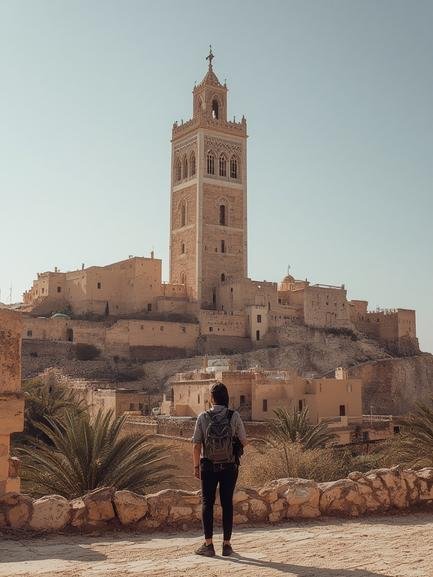
The journey from Rabat to Essaouira encapsulates the diverse beauty of Morocco’s Atlantic coast, offering travelers a perfect combination of historical sites, cultural experiences, and natural scenery. Whether you’re drawn to the imperial splendor of Rabat, the architectural wonders along the route, or the bohemian charm of Essaouira with its refreshing Atlantic atmosphere, this road trip delivers a comprehensive Moroccan experience. By following this guide and taking your time to appreciate each segment of the journey, you’ll discover a side of Morocco that many package tourists miss entirely. Don’t rush through—make it a multi-day adventure to fully immerse yourself in the landscapes, flavors, and traditions that make this coastal route one of North Africa’s most rewarding travel experiences. Now it’s time to plan your own adventure between these two magnificent Moroccan destinations!
FAQs
How long does it take to travel from Rabat to Essaouira?
By car, the journey takes 4-5 hours of pure driving time, but it’s best to allocate a full day (8-10 hours) to enjoy stops along the way. By public bus, expect 6-7 hours of travel time.
Is it safe to drive from Rabat to Essaouira?
Yes, the route is generally safe and well-maintained. Main highways are in good condition, though rural areas may have occasional potholes. It’s advisable to drive during daylight hours and be cautious of local driving habits in urban centers.
What are the must-see stops between Rabat and Essaouira?
Essential stops include Casablanca for the Hassan II Mosque, El Jadida for its Portuguese cistern and fortifications, and, if time permits, Oualidia for its beautiful lagoon and seafood.
Can I do the journey as a day trip?
While technically possible, it’s not recommended as a day trip due to the distance. It’s best enjoyed as part of a multi-day itinerary with at least one night in Essaouira before returning to Rabat.
Is it better to take a guided tour or travel independently between these cities?
This depends on your comfort level with Moroccan roads and language. Independent travelers gain flexibility to explore at their own pace, while guided tours provide cultural context and handle logistics. First-time visitors to Morocco might prefer a guided experience, while more experienced travelers often enjoy the freedom of self-driving.