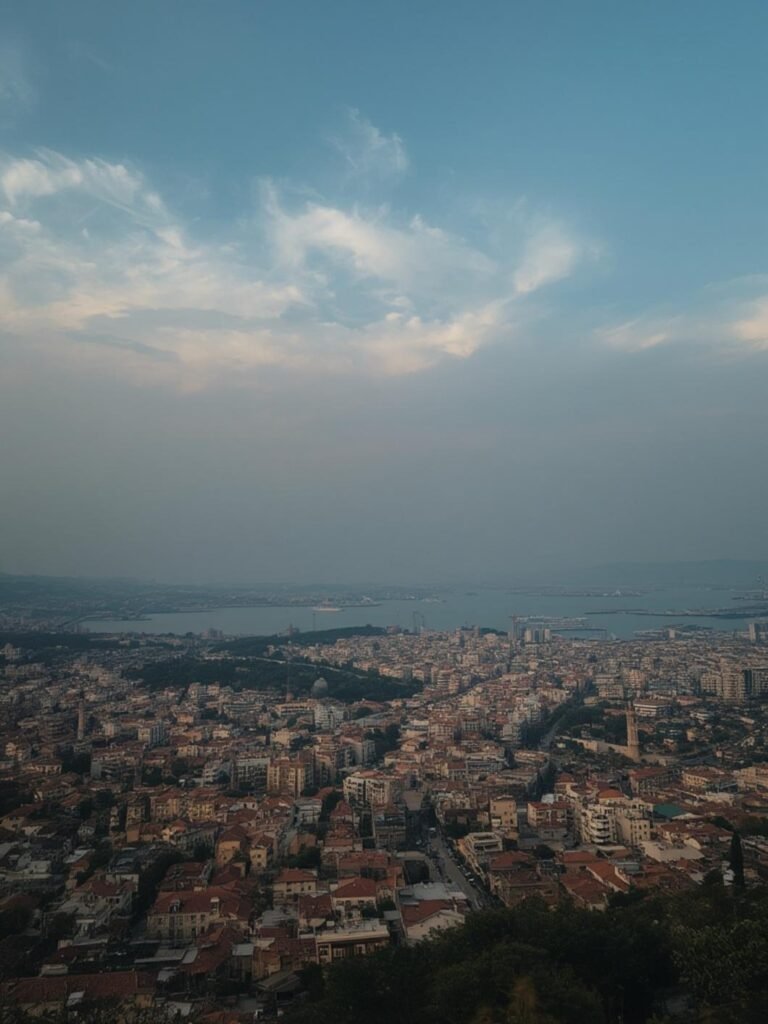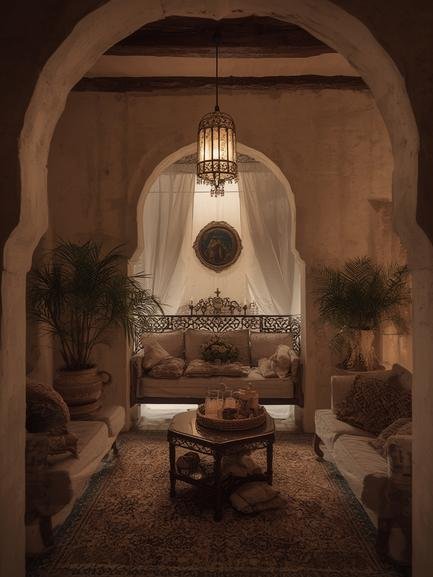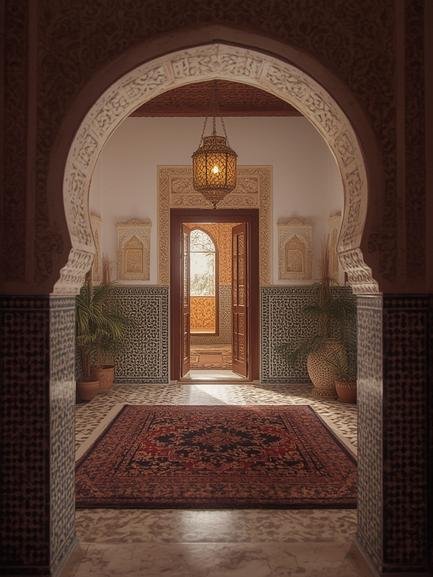

Morocco’s Atlantic coastline offers travelers some of the most picturesque routes in North Africa, with the journey from Rabat to Tanger standing out as a particularly rewarding experience. This 250-kilometer route connects Morocco’s administrative capital with its gateway to Europe, taking visitors through charming coastal towns, stunning beaches, and historically significant sites.
Whether you’re planning to make this journey by train, bus, or private car, the Morocco transportation options offer flexibility and comfort for all types of travelers. This guide will help you navigate this essential Moroccan route while highlighting the key attractions that make it worth your time.
History & Cultural Background

The corridor between Rabat and Tangier has been a historically significant route for centuries, connecting two cities with rich and diverse backgrounds. Rabat, established in the 12th century by the Almohad ruler Abd al-Mu’min, became Morocco’s capital during the French Protectorate and has remained the seat of government since independence in 1956. The city blends Islamic and European architectural influences, showcasing Morocco’s complex historical tapestry.
Tangier, meanwhile, has an even older history dating back to ancient Phoenician times. Its strategic location at the entrance to the Mediterranean gave it unique status throughout history. Between 1923 and 1956, Tangier was an international zone governed by several European countries, creating a cosmopolitan atmosphere that attracted artists, writers, and various bohemian figures seeking inspiration or escape.
The route connecting these cities passed through territories controlled by different Amazigh (Berber) tribes and later became part of the essential infrastructure developed during the French colonial period. Today, this corridor represents both Morocco’s historical depth and its modern development aspirations.
Architectural Highlights & Key Features
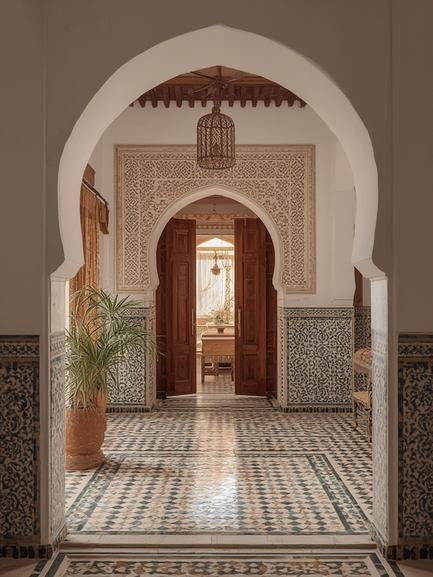
The journey from Rabat to Tangier presents travelers with diverse architectural styles that tell the story of Morocco’s complex history. In Rabat, you’ll find the imposing Hassan Tower and adjacent Mausoleum of Mohammed V, exemplifying traditional Moroccan craftsmanship with intricate zellige tilework and carved cedar wood. The city’s Kasbah of the Udayas features distinctive blue and white painted streets reminiscent of Andalusian influences.
As you travel northward, the small city of Asilah showcases a fascinating Portuguese-influenced medina with whitewashed buildings and colorful murals from its annual arts festival. Further along, Larache combines Spanish colonial architecture with traditional Moroccan elements.
Upon reaching Tangier, the architectural landscape shifts to include notable examples of Art Deco and International Zone-era buildings alongside traditional Moroccan designs. The American Legation in Tangier’s medina stands as the only U.S. National Historic Landmark located outside the United States, while the Grand Socco and Petit Socco squares demonstrate the city’s historical role as a crossroads of cultures.
Throughout the route, you’ll encounter magnificent mosques, historic fortifications, and French colonial administrative buildings that create a living museum of architectural styles spanning centuries.
Best Time to Visit & Practical Information
The optimal period for traveling from Rabat to Tangier falls between April-June and September-October when temperatures remain pleasant (18-27°C/65-80°F) and tourist crowds are manageable. Summer months (July-August) bring larger crowds and higher temperatures, while winter (November-March) can be surprisingly rainy and cool along the Atlantic coast.
Transportation options include:
- Train: Morocco’s efficient ONCF train service connects Rabat to Tangier in about 3-4 hours. First-class tickets cost approximately 150-190 MAD ($15-20 USD) and economy around 90-120 MAD ($9-12 USD).
- Bus: CTM and Supratours buses make the journey in about 4-5 hours, costing 80-120 MAD ($8-12 USD).
- Private car/taxi: Rental cars start from about 350 MAD ($35 USD) per day. Grand taxis can be negotiated for around 900-1200 MAD ($90-120 USD) for the entire journey.
The route is well-maintained with good highway infrastructure, making driving relatively straightforward. However, local driving customs can be challenging for first-time visitors to Morocco.
Step-by-Step Exploration Guide
For the most enriching experience when traveling from Rabat to Tanger, consider breaking your journey into these manageable segments that allow you to experience the best of Morocco’s Atlantic coast:
1. Rabat Exploration (Day 1):
– Begin at the Hassan Tower and Mausoleum of Mohammed V
– Visit the picturesque Kasbah of the Udayas
– Stroll through the Andalusian Gardens
– Explore Rabat’s well-preserved medina
2. Kenitra and Forest of Mamora (En Route):
– Make a brief stop in Kenitra to visit its harbor
– Consider a short detour to the Forest of Mamora, the largest cork oak forest in Morocco
3. Moulay Bousselham (Mid-Journey Stop):
– Visit this charming fishing village
– Observe migratory birds at Merja Zerga National Park, an important wetland reserve
– Enjoy fresh seafood at local restaurants
4. Asilah (Afternoon Stop):
– Wander through the distinctive white and blue medina
– View the impressive street art and murals
– Walk along the 15th-century Portuguese ramparts for ocean views
5. Larache (Optional Detour):
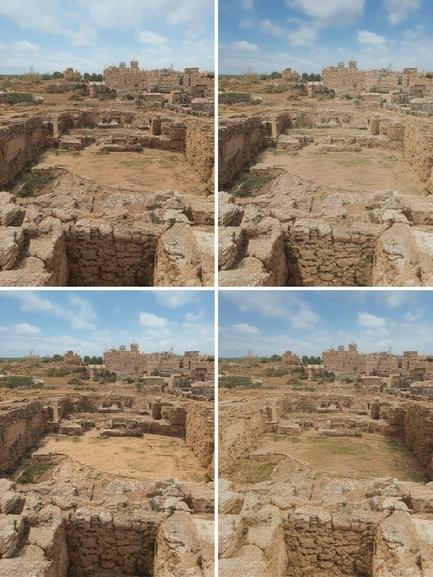
– Visit the archaeological site of Lixus, an ancient Roman city
– Explore the Spanish-influenced town center
6. Cape Spartel and Hercules Caves (Approaching Tangier):
– Visit the lighthouse at Cape Spartel where the Mediterranean meets the Atlantic
– Explore the legendary Caves of Hercules with its Africa-shaped opening to the sea
7. Tangier Arrival (Day 2 or 3):
– Begin at the Kasbah for panoramic views of the strait
– Explore the medina and international zone
– Visit the American Legation Museum
– Experience the Morocco transportation options at the bustling Grand Socco
This itinerary allows for a leisurely pace with overnight stops in either Asilah or Larache if you prefer not to rush the journey.
Nearby Attractions, Food & Accommodation
Notable Side Trips:
- Chefchaouen (the Blue City) – accessible as a day trip from Tangier
- Tetouan – featuring a UNESCO-listed medina with strong Spanish influences
- Meknes and Volubilis – if traveling slightly inland from Rabat
Culinary Highlights:
- Rabat: Try traditional Moroccan cuisine at Dar Naji or upscale dining at Le Dhow, a restaurant on a boat
- Asilah: Casa Garcia offers excellent Spanish-influenced seafood
- Tangier: Experience local specialties at Populaire Saveur de Poisson or enjoy the ambiance at Café Hafa, a favorite of many famous writers
Accommodation Options:
- Luxury: Sofitel Jardin des Roses (Rabat), La Tangerina (Tangier)
- Mid-range: Riad Dar El Kebira (Rabat), Hotel Continental (Tangier)
- Budget: Medina Hostel (Rabat), Pension Hollandes (Tangier)
- Boutique: Dar Malika (Asilah), Dar Nour (Tangier)
Travel Tips & Common Mistakes to Avoid
Essential Tips:
- Purchase train tickets at least a day in advance for first-class seats, which provide assigned seating and air conditioning
- Carry cash for smaller towns where credit cards might not be widely accepted
- Download offline maps as cellular service can be spotty between cities
- Learn basic French or Arabic phrases to facilitate communication
- Respect local customs by dressing modestly, especially when visiting religious sites
Common Mistakes to Avoid:
- Rushing the journey in a single day – the route deserves at least 2-3 days to fully appreciate
- Missing the smaller towns between the main cities – Asilah and Larache offer authentic experiences
- Eating only in tourist restaurants – local food stalls often provide the most authentic flavors
- Not negotiating taxi fares in advance – always agree on prices before starting your journey
- Forgetting to validate your train ticket before boarding – this can result in fines
Conclusion
The journey from Rabat to Tanger encapsulates the essence of Morocco’s coastal charm, offering travelers a perfect blend of historical depth, cultural richness, and natural beauty. This route serves as more than just a connection between two important cities—it provides a comprehensive introduction to Morocco’s diverse landscapes and heritage. From the imperial elegance of Rabat to the international mystique of Tangier, with charming stops like Asilah in between, this journey rewards those who take their time to explore. Whether you’re interested in architecture, cuisine, history, or simply stunning coastal views, the Morocco transportation options available make this route accessible to all types of travelers. As you plan your Moroccan adventure, consider allowing at least two days for this remarkable journey—it might just become the highlight of your entire North African experience.
FAQs
How safe is traveling between Rabat and Tangier?
The route between Rabat and Tangier is generally very safe for tourists. Trains and major bus companies maintain good safety standards. As in any destination, maintain awareness of your belongings in crowded areas and train stations. Solo female travelers should exercise standard precautions but generally report positive experiences.
How long does the train journey take from Rabat to Tangier?
The direct train journey takes approximately 3.5-4 hours. The high-speed Al Boraq train service has reduced travel times significantly since its introduction in 2018.
Can I do this journey as a day trip?
While technically possible, doing this as a day trip would not allow you to appreciate the stops along the way. It’s recommended to spend at least one night in Asilah or Tangier to fully experience the region.
Are there luggage storage facilities at the train stations?
Both Rabat and Tangier train stations have luggage storage facilities where you can leave your bags for a small fee. This is useful if you want to explore either city before continuing your journey.
Is it worth stopping in the smaller towns along the route?
Absolutely. Asilah in particular is worth at least a half-day stop for its picturesque medina and relaxed atmosphere. During summer, its annual arts festival transforms the town with murals and cultural events.