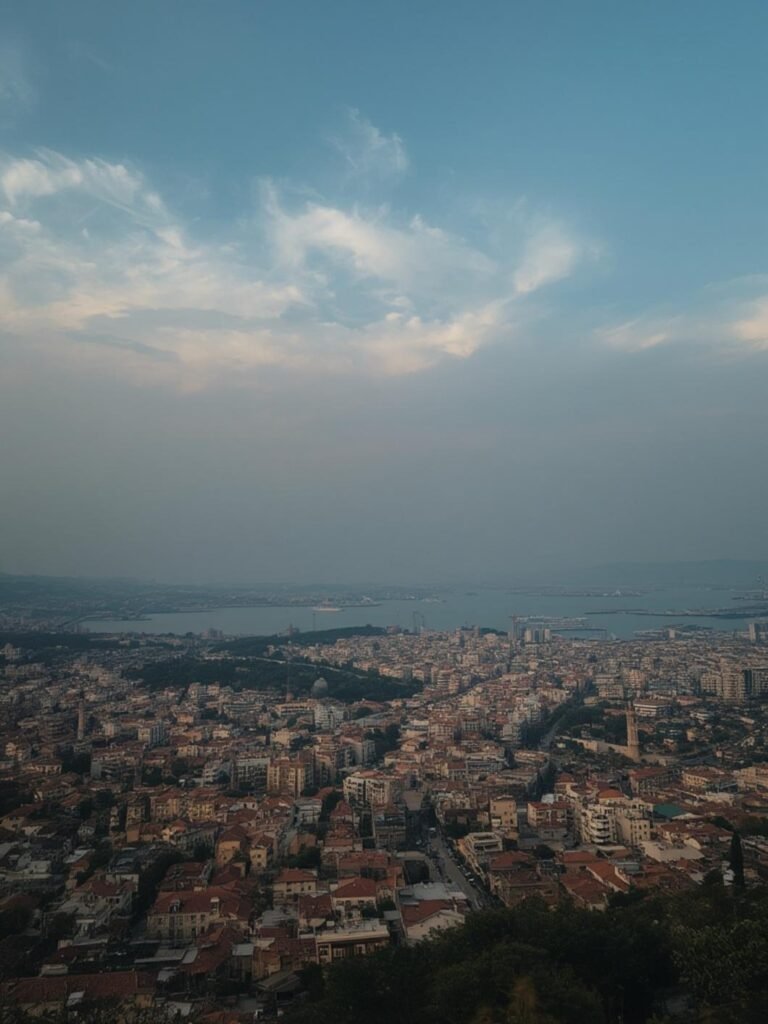

Morocco is a land of striking contrasts, and nowhere is this more evident than on the journey from Rabat to Ifrane. This captivating route takes travelers from the bustling coastal capital with its colonial architecture and ancient kasbahs to the alpine-inspired town nestled in the Middle Atlas Mountains, often called Morocco’s “Little Switzerland.”
The Ifrane National Park awaits at your destination, offering pristine forests and wildlife viewing opportunities. Whether you’re seeking cultural immersion, natural beauty, or simply an escape from the usual tourist paths, this journey showcases the incredible diversity that makes Morocco such a compelling destination.
History & Cultural Background
The route from Rabat to Ifrane connects two vastly different historical narratives. Rabat, founded in the 12th century by the Almohad ruler Abd al-Mu’min, served as a strategic military harbor and evolved into the modern capital of independent Morocco in 1956. Its UNESCO-listed sites, including the Hassan Tower and Kasbah of the Udayas, tell the story of Morocco’s imperial past.
In stark contrast, Ifrane was established much later, in 1929 during the French Protectorate. The French built it as a colonial hill station and alpine resort, designing it to resemble a European town with sloped roofs (unusual in Morocco) to accommodate snowfall. This architectural anomaly earned Ifrane its nickname “Little Switzerland of Morocco.” The town was planned around a central administrative building, with residential areas extending outward in a garden city concept rarely seen elsewhere in North Africa.
The cultural landscape transforms dramatically along this route, from the Arab-Andalusian influences of the coast to the Amazigh (Berber) heritage of the Middle Atlas, creating a journey through Morocco’s diverse cultural identities.
Architectural Highlights & Key Features
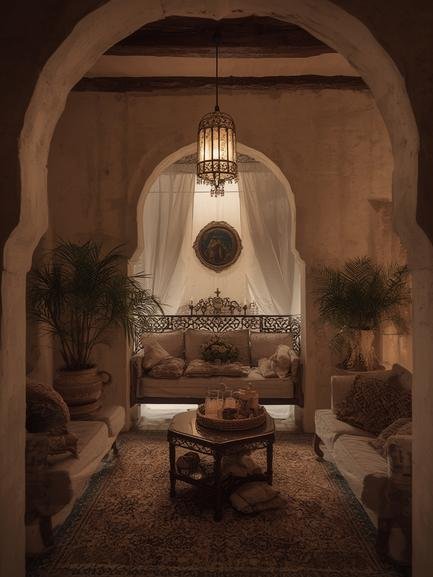
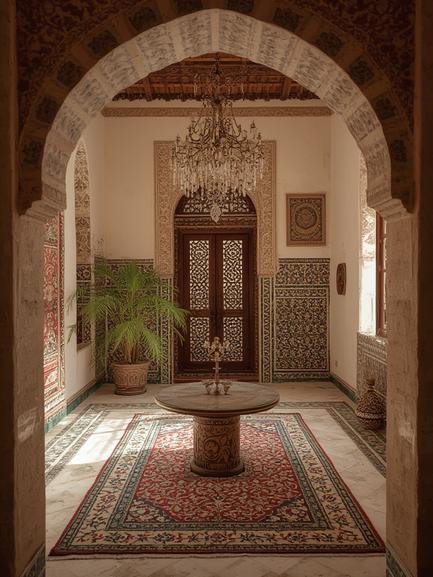
The architectural journey from Rabat to Ifrane showcases Morocco’s remarkable diversity. In Rabat, you’ll find a harmonious blend of Islamic, Moorish, and French colonial styles. The city’s iconic landmarks include the fortified Kasbah of the Udayas with its distinctive blue and white streets, the unfinished 12th-century Hassan Tower, and the ornate Royal Palace.
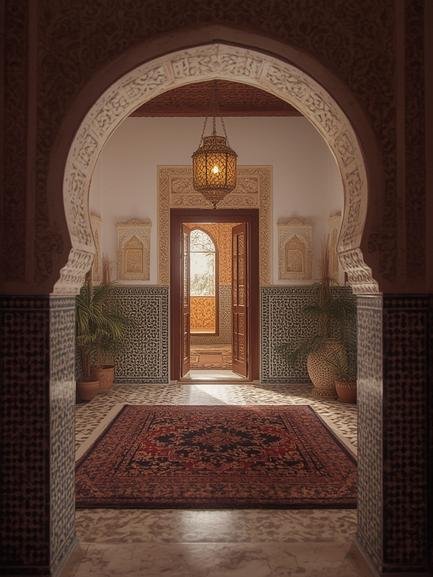
As you travel inland, you’ll pass through Meknes, one of Morocco’s imperial cities, where massive gates like Bab Mansour display intricate zellige tilework and carved cedar. The architectural style gradually shifts as you climb in elevation.
Upon reaching Ifrane, you’ll be surprised by a complete transformation – European-style chalets with pitched roofs, Tudor-inspired villas, and landscaped gardens replace the flat-roofed buildings typical of Moroccan architecture. The Royal Palace of Ifrane stands as the town’s most impressive structure, though it’s generally closed to the public. The town center features stone buildings with sharp-angled roofs designed to shed snow, wide avenues lined with flowers, and a distinctive lion statue carved from stone by a German prisoner of war during WWII.
Best Time to Visit & Practical Information
The ideal time for the Rabat to Ifrane journey depends on your preferences. Spring (April-May) and autumn (September-October) offer pleasant temperatures throughout the route, with blossoming landscapes in spring and golden colors in fall.
Summer (June-August) provides warm, dry conditions in Rabat but a refreshingly cool climate in Ifrane, where temperatures typically range from 15-25°C (59-77°F) while coastal areas can exceed 30°C (86°F). Ifrane in winter (December-February) transforms into a winter wonderland with regular snowfall, making it Morocco’s premier ski destination at the nearby Michlifen Ski Resort.
The distance between Rabat and Ifrane is approximately 217 km (135 miles), taking about 3-3.5 hours of driving without stops. Regular CTM and Supratours buses connect the cities for around 80-120 MAD (8-12 USD). Alternatively, grand taxis offer more flexibility but cost more unless you share with other travelers.
When planning your trip, note that most businesses in Ifrane close earlier than in Rabat, typically by 8 PM, especially in winter. There are no specific dress codes for either city, though modest attire is appreciated in all parts of Morocco.
Step-by-Step Exploration Guide
The journey from Rabat to Ifrane unfolds best as a leisurely road trip with strategic stops along the way. Begin early in Rabat with a morning visit to the Kasbah of the Udayas for spectacular Atlantic views. Before leaving the capital, quickly explore the Hassan Tower and Mohammed V Mausoleum complex.
Head east on the A2 highway toward Meknes, your first major stop approximately 140 km from Rabat. In Meknes, visit the impressive Bab Mansour gate and the nearby Place el-Hedim, a less touristy alternative to Marrakech’s famous square. Consider lunch at a local restaurant serving traditional Moroccan cuisine.
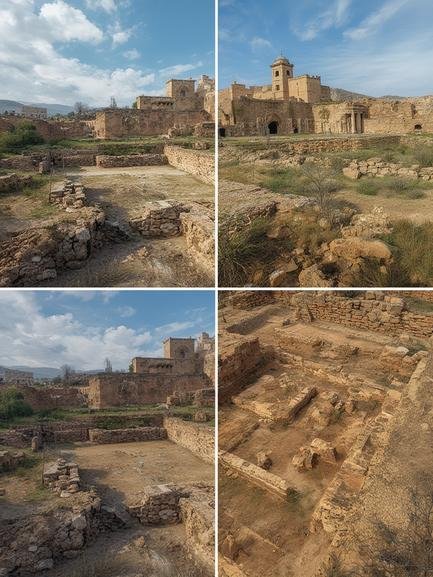
Continue your journey to the archaeological site of Volubilis, just 30 km north of Meknes. These well-preserved Roman ruins feature magnificent mosaics and columns, offering a glimpse into Morocco’s ancient past. The Ifrane National Park lies ahead, where cedar forests create habitat for Barbary macaques and various bird species.
The final leg takes you to Ifrane itself. Start your exploration at the central park with its iconic lion statue, then stroll through the manicured gardens and European-style boulevards. For nature lovers, take the short drive to the nearby cedar forests where you might encounter the local Barbary macaques in their natural habitat.
End your day with sunset views from Michlifen Viewpoint, offering panoramic vistas of the Middle Atlas Mountains and the perfect conclusion to your journey.
Nearby Attractions, Food & Accommodation
While in Ifrane, expand your exploration to include several worthwhile nearby attractions. The cedar forests of Azrou, just 17 km away, offer excellent hiking trails and almost guaranteed encounters with Barbary macaques. The beautiful Lake Dayet Aoua provides perfect picnic spots and boat rentals during warmer months.
For more adventure, visit the impressive Vittel Spring waterfalls or the natural bridges at Ain Leuh. The Berber market town of Azrou offers authentic craft shopping, particularly for traditional carpets and woodwork.
Dining options in Ifrane range from luxurious to budget-friendly. For an upscale experience, try Le Chamonix serving French-Moroccan fusion, or Restaurant L’Annexe for traditional Moroccan dishes. Budget travelers will enjoy Grand Café for affordable tagines and sandwiches.
Accommodation options include the luxurious Michlifen Resort & Golf (1500+ MAD/night), the mid-range Hotel Chamonix (600-800 MAD/night), and budget options like Auberge La Forestière (300-400 MAD/night). For a unique experience, consider renting a mountain chalet through local booking sites or international platforms.
Travel Tips & Common Mistakes to Avoid
When traveling from Rabat to Ifrane, avoid these common mistakes:
- Underestimating weather changes: The temperature can differ by 10-15°C between Rabat and Ifrane, especially in winter. Pack layers and be prepared for all conditions.
- Rushing the journey: Many travelers try to make this a day trip, missing the opportunity to stay overnight in Ifrane and enjoy its unique atmosphere.
- Skipping Volubilis: This UNESCO World Heritage site is slightly off the direct route but absolutely worth the detour.
- Not filling up on gas: Fuel stations become scarcer as you enter the mountains, so fill up your tank in Meknes.
- Visiting Ifrane on Mondays: Many restaurants and shops close this day, particularly in the off-season.
Practical tips for a better experience:
- Download offline maps before your journey, as internet connectivity can be spotty in mountain areas
- Carry cash, as smaller establishments in Ifrane may not accept credit cards
- If driving in winter, check road conditions as snow can occasionally close mountain passes
- Learn a few basic Arabic or French phrases, as English is less commonly spoken outside tourist areas
- Respect local customs by dressing modestly, especially when visiting religious sites along the way
Conclusion
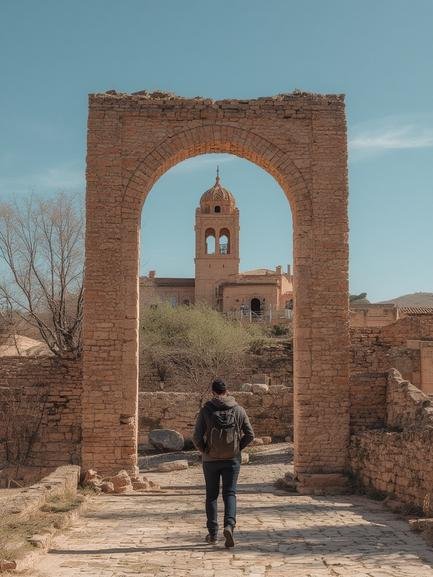
The journey from Rabat to Ifrane encapsulates Morocco’s incredible diversity in a single trip – from coastal sophistication to alpine tranquility, from ancient imperial grandeur to French colonial charm. This route offers far more than just a means of getting from one place to another; it’s a transformative experience that reveals the many layers of Moroccan identity. The stunning natural landscapes of the Ifrane National Park provide a refreshing contrast to the urban experiences found in Rabat and Meknes. Whether you’re seeking architectural wonders, cultural insights, outdoor adventures, or simply a respite from Morocco’s more touristic destinations, this journey delivers on all fronts. As you plan your Moroccan adventure, consider taking at least 2-3 days to fully appreciate this route – the memories and perspectives gained will undoubtedly become highlights of your North African experience. Pack your camera, bring your sense of wonder, and prepare to discover Morocco beyond the postcard images.
FAQs
How long does it take to drive from Rabat to Ifrane?
The direct drive takes approximately 3-3.5 hours covering about 217 km (135 miles). However, to enjoy the journey properly with stops at Meknes and Volubilis, plan for a full day or consider an overnight stay.
Is it safe to travel from Rabat to Ifrane?
Yes, this route is considered very safe for tourists. The roads are generally well-maintained, especially the highways. As with any travel, exercise normal precautions regarding valuables and be respectful of local customs.
What’s the best way to travel between Rabat and Ifrane if I don’t drive?
Regular CTM and Supratours buses connect the cities with comfortable, air-conditioned service. Alternatively, you can hire a grand taxi for more flexibility, though this will be more expensive unless you share with other travelers.
Do I need a special permit to visit Ifrane National Park?
No special permits are required to visit Ifrane National Park. However, for certain hiking trails, a local guide is recommended both for navigation and to enhance your understanding of the ecosystem.
Can I visit Ifrane as a day trip from Rabat?
While technically possible, a day trip would be rushed and wouldn’t allow you to fully experience the journey or Ifrane itself. At minimum, consider an overnight stay in Ifrane to appreciate its unique atmosphere and nearby natural attractions.