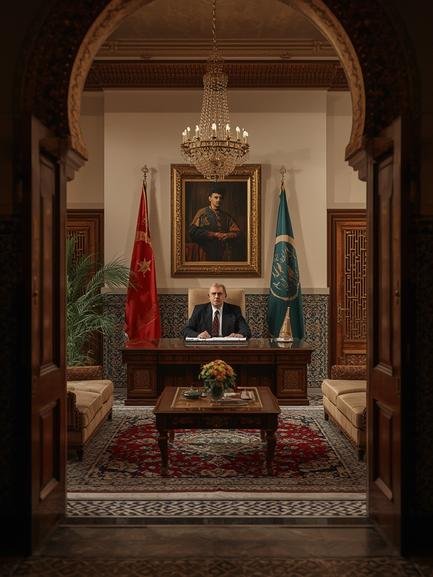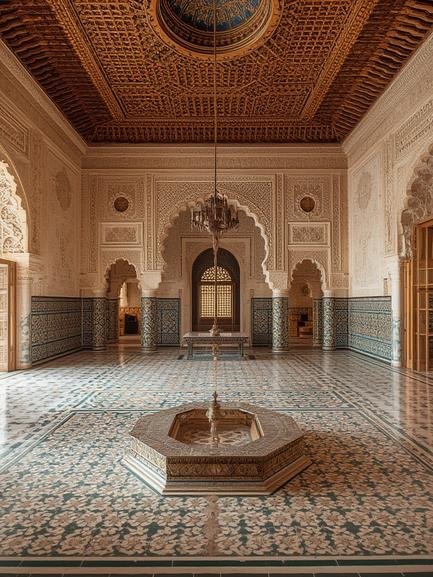

Morocco’s capital city Rabat is home to numerous cultural treasures, but none as magnificent as the Rabat Royal Palace. This architectural masterpiece serves as both the official residence of Morocco’s King Mohammed VI and a symbol of the nation’s rich heritage. While exploring the vibrant city of Rabat, visitors are inevitably drawn to the grandeur of the Moroccan royal residences.
The palace complex stands as a testament to the country’s artistic legacy and continues to function as the heart of Moroccan governance, making it an essential stop for anyone seeking to understand Morocco’s cultural and political landscape.
History & Cultural Background
The palace has a rich history dating back to the 18th century when Sultan Mohammed ben Abdallah (Mohammed III) began constructing royal residences in Rabat. However, the palace as we know it today largely took shape during the French Protectorate period in the early 20th century, combining traditional Moroccan architecture with modern elements.
Throughout its existence, the palace has witnessed crucial moments in Moroccan history, from independence negotiations to royal ceremonies and state receptions for international dignitaries. It represents the continuity of the Alaouite dynasty, which has ruled Morocco since the 17th century.
The palace complex has evolved over generations, with each ruler adding their own distinctive touch while preserving its historical essence. Today, it serves not only as a royal residence but also houses administrative offices for the monarchy, emphasizing its continuing role in Morocco’s governance.
Architectural Highlights & Key Features
The palace’s architecture exemplifies the finest Moroccan craftsmanship and artistic traditions. Its impressive façade features:
– Intricate geometric tile work (zellij) in vibrant blues, greens, and yellows
– Hand-carved cedar wood detailing on doors and windows
– Ornate plasterwork (tadelakt) created by master artisans
– Expansive courtyards with meticulously maintained gardens
– Imposing brass doors weighing several tons each
The palace grounds span over 120 hectares and include several buildings, administrative quarters, a mosque, and extensive gardens. While the interior remains closed to the public, the exterior façade with its massive walls, ornamental gates, and ceremonial guards provides ample opportunity to appreciate Moroccan architectural brilliance.
Visitors are particularly impressed by the main entrance with its distinctive horseshoe arches and the immaculately maintained parade grounds where official ceremonies take place during state visits.
Best Time to Visit & Practical Information
When to Visit
The ideal time to visit is during spring (April-May) or fall (September-October) when temperatures are moderate and pleasant for outdoor exploration. Summer months can be extremely hot, while winter occasionally brings rain that may diminish the visual experience.
Visiting Information
– Accessibility: The palace interior is not open to tourists, but the exterior and plaza can be viewed and photographed
– Hours: The plaza is accessible daily during daylight hours
– Entry Fee: No fee to view the exterior
– Dress Code: Modest attire recommended out of respect
– Transportation: Easily reached by petit taxi from anywhere in Rabat; approximately 15-20 dirhams from the medina
During national holidays or royal events, access to the surrounding areas may be temporarily restricted for security reasons, so it’s advisable to check local news before planning your visit.
Step-by-Step Exploration Guide
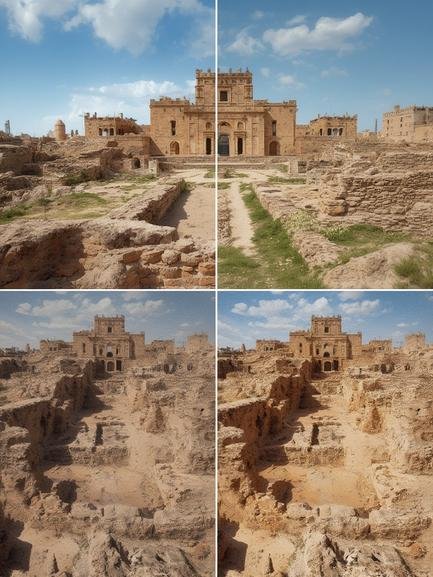
Follow this route for the optimal experience when visiting the Rabat Royal Palace:
1. Begin at Mechouar Square – Start at this large ceremonial space in front of the palace where national celebrations are held. The square provides an excellent vantage point for viewing the impressive façade of the Moroccan royal residences.
2. Admire the Main Gates – Move closer to observe the magnificent brass doors adorned with traditional Moroccan patterns. The royal guards in their colorful uniforms make for excellent photo opportunities.
3. Walk the Perimeter – Continue around the exterior walls to appreciate different architectural elements and perspectives of the palace compound.
4. Visit the Royal Guards – Stop to observe the ceremonial changing of the guards if your timing permits.
5. Explore Adjacent Gardens – The surrounding gardens offer beautiful landscaping and a peaceful atmosphere away from the city bustle.
The entire exterior exploration takes approximately 1-2 hours, leaving ample time to visit nearby attractions within the same day.
Nearby Attractions, Food & Accommodation
Nearby Sites (Within 30 Minutes)
– Kasbah of the Udayas – Historic fortress with stunning ocean views
– Hassan Tower – Iconic unfinished minaret and historical monument
– Chellah Necropolis – Ancient Roman ruins and medieval Muslim cemetery
– Mohammed VI Museum of Modern Art – Contemporary Moroccan art collection
Where to Eat
– Dinarjat (High-end) – Traditional Moroccan cuisine in an elegant riad setting
– Le Ziryab (Mid-range) – Moroccan fusion dishes with excellent ambiance
– Dar El Medina (Mid-range) – Authentic local food with rooftop views
– Café La Comédia (Budget) – Casual spot for pastries and Moroccan mint tea
Accommodation Options
– Luxury: Villa Diyafa Boutique Hotel & Spa or Sofitel Rabat Jardin des Roses
– Mid-range: Riad Kalaa or Hotel des Oudaias
– Budget: Riad Meftaha or Ibis Rabat Agdal
Travel Tips & Common Mistakes to Avoid
Essential Tips
– Hire a local guide for historical context and cultural insights
– Visit early morning for the best lighting and fewer crowds
– Bring a zoom lens for photography as you’ll be viewing from a distance
– Have small change ready for taxi fares
– Download offline maps before your visit
Common Mistakes
– Expecting Interior Access: The palace is a functioning royal residence and government building, not a museum
– Inappropriate Attire: Wear respectful clothing as a sign of cultural awareness
– Poor Timing: Avoid visiting during Friday prayers or national holidays when access may be limited
– Limited Exploration: Many visitors only see the main gate—make sure to walk around for different perspectives
– Ignoring Nearby Attractions: The palace is best enjoyed as part of a broader exploration of Rabat’s heritage sites
Conclusion
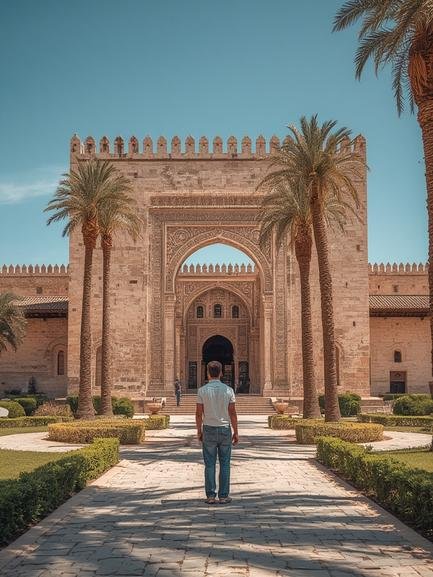
The Rabat Royal Palace stands as a perfect embodiment of Morocco’s architectural brilliance, cultural heritage, and continuing traditions. While visitors cannot enter the palace itself, the exterior provides a magnificent glimpse into the nation’s artistic achievements and royal legacy. The palace’s strategic location makes it an ideal starting point for exploring Rabat’s rich cultural landscape, with numerous historical sites within easy reach. As you plan your Moroccan adventure, be sure to dedicate time to appreciate the splendor of the Moroccan royal residences and their significance to the nation’s identity. Whether you’re a history enthusiast, architecture lover, or cultural explorer, this iconic landmark offers a profound connection to Morocco’s past and present.
FAQs
Can tourists enter the Rabat Royal Palace?
No, the palace interior is not open to the public as it serves as the official residence of the King and contains government offices. Visitors can only view and photograph the exterior, gates, and surrounding plaza.
How long should I spend visiting the Royal Palace?
Plan for 1-2 hours to properly appreciate the exterior architecture, take photos, and possibly witness the changing of the guards if your timing aligns.
Is photography allowed at the Royal Palace?
Yes, photography of the exterior is permitted, but be respectful of security personnel and avoid photographing the guards without permission. Tripods may attract attention from security.
What should I wear when visiting the palace area?
While there’s no strict dress code for viewing the exterior, modest attire is recommended out of respect for Moroccan culture and the palace’s significance. Cover shoulders and knees, particularly during hot weather when the temptation to wear revealing clothing is greatest.
Is the palace area safe for tourists?
Yes, the area surrounding the palace is well-patrolled and considered very safe. As with any tourist destination, practice standard precautions regarding personal belongings and be respectful of security instructions.