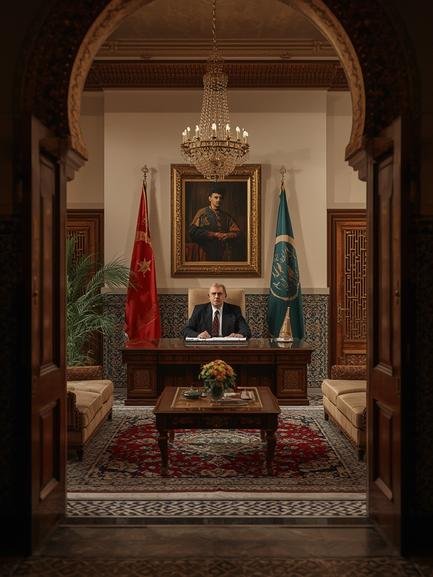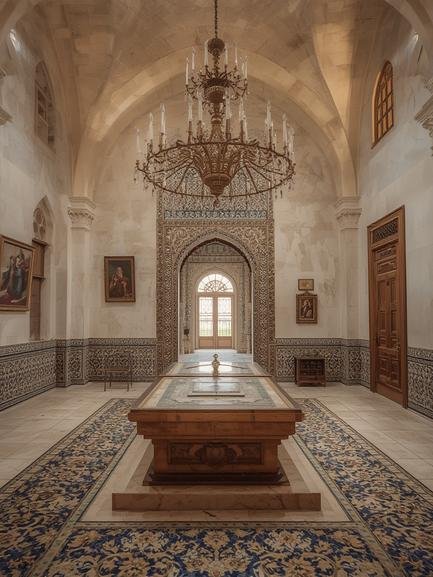

Morocco’s capital city houses one of the country’s most significant historical and architectural masterpieces. The Rabat Mohammed V Mausoleum represents the perfect fusion of traditional Islamic design elements and the rich cultural heritage of Morocco. This magnificent marble structure not only serves as the final resting place of King Mohammed V and his sons, but also stands as a symbol of Moroccan independence and national pride.
Visitors from around the world are drawn to this royal Moroccan tomb, captivated by its intricate craftsmanship, historical significance, and spiritual atmosphere.
History & Cultural Background
The mausoleum was commissioned in 1961 by King Hassan II to honor his father, King Mohammed V, who led Morocco to independence from France in 1956 and is considered the father of modern Morocco. Construction began in 1962 and was completed in 1971, taking nearly a decade to finish due to the exceptional craftsmanship involved.
King Mohammed V was initially buried at the Royal Palace after his unexpected death in 1961, before being transferred to this purpose-built mausoleum. The structure stands on the site where the unfinished Hassan Tower was built centuries earlier, creating a powerful connection between Morocco’s past and its modern identity.
The mausoleum represents more than just a tomb—it symbolizes Morocco’s transition from colonial rule to independence. King Mohammed V gained tremendous respect from Moroccans for his resistance against French colonial powers, having been exiled to Madagascar for his nationalist stance before triumphantly returning to lead an independent Morocco.
Architectural Highlights & Key Features
The mausoleum exemplifies traditional Moroccan and Islamic architecture while incorporating modern design elements. The exterior features white marble walls with a green-tiled roof, Morocco’s national color symbolizing Islam.
Upon entering, visitors are struck by the soaring 70-foot-high dome ceiling adorned with hand-carved cedar wood patterns and gold leaf decorations. The interior walls showcase traditional Moroccan zellige tilework featuring geometric patterns in vibrant blues, greens, and whites, all meticulously handcrafted by master artisans.
The central chamber contains three white onyx tombs—the elevated central tomb belongs to King Mohammed V, while the two smaller tombs on either side contain his sons, King Hassan II and Prince Moulay Abdallah. Royal guards in ceremonial dress stand at the corners of the tombs, adding to the site’s solemn dignity.
Surrounding the main chamber are prayer halls with marble columns and intricate stucco decorations. The floors feature elaborate marble designs, while bronze and titanium chandeliers illuminate the space with a warm, reverent glow.
Best Time to Visit & Practical Information
The mausoleum can be visited year-round, but the most pleasant weather occurs from March to May and September to November when temperatures are moderate. Summer months (June-August) can be extremely hot, while winter occasionally brings rain.
Opening hours are generally 9:00 AM to 4:00 PM every day except Fridays, when it opens from 8:00 AM to 12:00 PM and reopens after prayers from 3:00 PM to 6:00 PM. These hours may change during Ramadan and other religious holidays.
Entry to the mausoleum is free, though donations are appreciated. As this is a religious site, visitors should dress modestly with shoulders and knees covered. Women are not required to cover their hair. Photography is permitted in most areas but without flash.
Located on the Yacoub al-Mansour esplanade opposite the Hassan Tower, the mausoleum is easily accessible by taxi from anywhere in Rabat. Public buses also stop nearby, and the site is within walking distance of other major attractions in the city.
Step-by-Step Exploration Guide
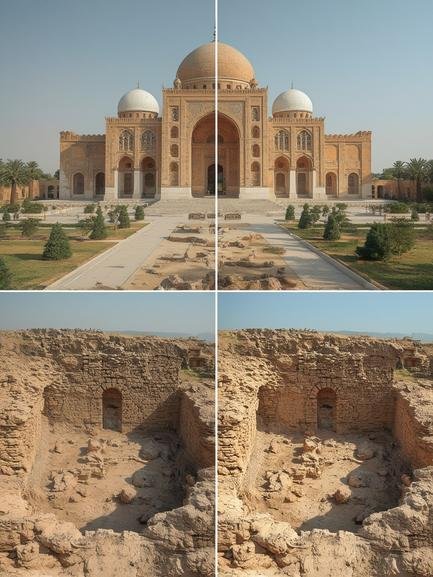
Begin your visit at the expansive Yacoub al-Mansour esplanade, which offers stunning views of both the Rabat Mohammed V Mausoleum and the adjacent Hassan Tower. Take time to appreciate the grandeur of the esplanade itself, with its immaculate grounds and the Bouregreg River visible in the distance.
First, explore the exterior of the mausoleum, noting the stunning white marble facade and green-tiled roof. The entrance is guarded by members of the Royal Guard in colorful traditional uniforms who stand perfectly still—a perfect photo opportunity, though always ask permission before photographing them.
Upon entering, proceed through the following route:
1. The entrance hall with its elaborate carved ceilings
2. Move to the main chamber housing the royal tombs
3. Circle the central tomb area (maintaining a respectful distance)
4. Visit the adjacent prayer halls
5. Admire the royal Moroccan tomb from different angles to appreciate the way sunlight filters through the stained glass windows
6. Exit through the southern doorway for views back toward Hassan Tower
The most photogenic spots include the exterior view from the esplanade, the intricate ceiling of the main chamber, and the detailed mosaic work throughout the structure. Morning visits typically offer better lighting for photography of the interior.
Nearby Attractions, Food & Accommodation
While visiting the mausoleum, several notable sites are within easy walking distance:
- Hassan Tower – The 12th-century minaret stands directly opposite the mausoleum
- Kasbah of the Udayas – A 15-minute walk offering stunning views and Andalusian gardens
- Chellah – Ancient Roman ruins about 3 km away
- Rabat Medina – Explore traditional markets within a 20-minute walk
For dining options:
- Dar Naji – Traditional Moroccan cuisine in an elegant setting
- Le Dhow – A restaurant on a boat offering Mediterranean fare with river views
- Café Maure – Located in the Kasbah with terrace views of the river
Accommodation near the mausoleum ranges from luxury to budget:
- Sofitel Rabat Jardin des Roses – Luxury option with beautiful gardens
- Riad Dar El Kebira – Mid-range traditional riad in the medina
- Ibis Rabat Agdal – Budget-friendly option with good location
Travel Tips & Common Mistakes to Avoid
When visiting, keep these practical tips in mind:
- Visit early in the day to avoid crowds, especially on weekends
- Bring water, particularly during summer months
- Wear comfortable shoes as you’ll be walking on marble floors
- Keep voices low as this is a place of worship and remembrance
- Always ask permission before photographing the Royal Guards
Common mistakes to avoid:
- Assuming the site is always open—check for holiday closures
- Wearing revealing clothing which may restrict your entry
- Rushing through—allow at least 45-60 minutes to fully appreciate the site
- Missing the adjacent Hassan Tower and ruins of the mosque
- Forgetting to look up—some of the most impressive craftsmanship is on the ceilings
Conclusion
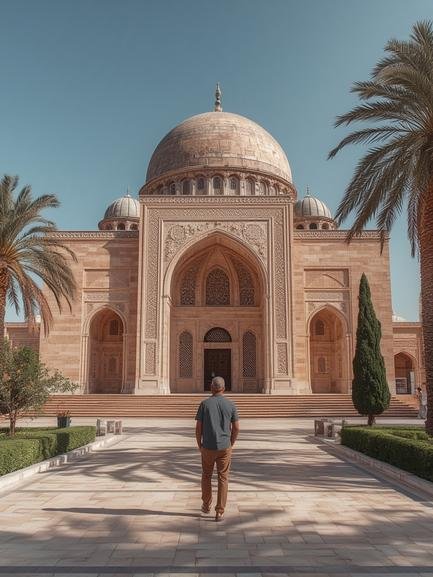
The Rabat Mohammed V Mausoleum stands as a testament to Morocco’s rich cultural heritage, artistic excellence, and historical significance. This architectural marvel not only honors the legacy of a beloved king but also showcases the exceptional craftsmanship that continues to define Moroccan artisanal traditions. The peaceful atmosphere, intricate details, and historical context make this royal Moroccan tomb an essential stop for anyone seeking to understand the soul of Morocco. As you plan your visit to Rabat, place this magnificent mausoleum at the top of your itinerary to experience firsthand the perfect harmony between spirituality, history, and artistry that defines this unforgettable monument.
FAQs
How long does it take to visit the Mohammed V Mausoleum?
Most visitors spend 45-60 minutes exploring the mausoleum and its surroundings. Adding the Hassan Tower and esplanade, plan for 1.5-2 hours in total.
Is there a dress code for visiting the mausoleum?
Yes, modest dress is required. Both men and women should cover shoulders and knees. Women are not required to cover their hair, but revealing clothing is inappropriate.
Can I take photographs inside the mausoleum?
Photography is allowed in most areas without flash. Be respectful when photographing and avoid taking pictures during prayer times or of people praying.
Is the mausoleum accessible for visitors with mobility challenges?
The main entrance has a few steps, but there is a side entrance with ramp access. Most of the interior is accessible, though some areas may have limited access.
What is the best time of day to visit?
Morning visits (9:00-11:00 AM) typically offer the best lighting for viewing the interior details and smaller crowds. Avoid visiting during Friday prayer times.