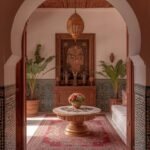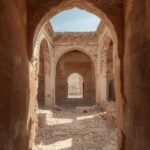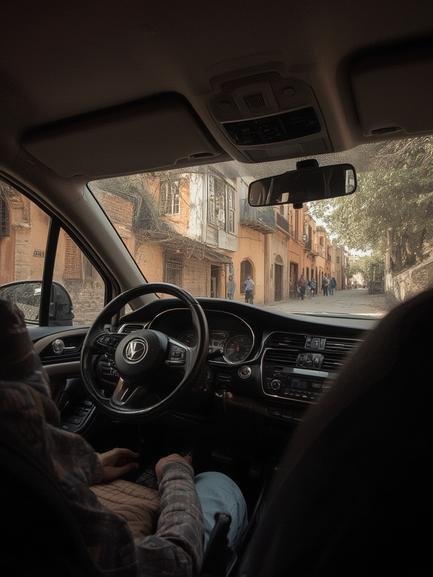

Exploring Morocco’s elegant capital city becomes an adventure of freedom and discovery with a Rabat car rental. Unlike guided tours or public transportation, having your own vehicle allows you to experience the royal city’s charm at your own pace, reaching places that would otherwise remain hidden treasures.
Whether you’re planning to explore the ancient Kasbah of the Udayas, venture to nearby Salé, or drive along the Atlantic coastline, a reliable rental vehicle provides convenience and flexibility that transforms your Moroccan adventure. The perfect combination of modern infrastructure and manageable traffic makes Rabat one of the most driver-friendly cities in Morocco.
History & Cultural Background
Rabat’s journey from a military fortress to Morocco’s capital city creates the perfect backdrop for road trips. Founded in the 12th century as a ribat (fortress) by the Almohad ruler Abd al-Mu’min, Rabat has evolved through centuries of Berber, Arab, and European influences. The city gained prominence during the Almohad dynasty, continued as a pirate republic in the 17th century, and eventually became Morocco’s administrative center during the French Protectorate era (1912-1956).
When King Mohammed V declared independence, Rabat was confirmed as the capital, cementing its political importance. Today, as you drive through its wide avenues and ancient quarters, you’re traversing layers of history—from Phoenician settlements to Roman outposts, from medieval Islamic citadels to French colonial urban planning. The city’s UNESCO World Heritage status acknowledges this rich cultural tapestry, making self-driving exploration particularly rewarding.
Architectural Highlights & Key Features
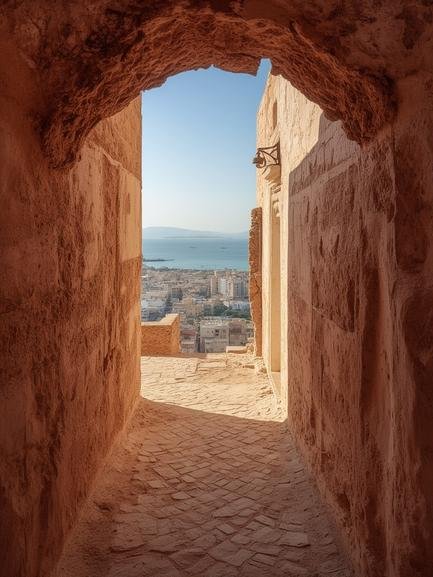
Rabat’s diverse architectural landscape deserves thorough exploration by car. Start with the iconic Hassan Tower, an incomplete 12th-century minaret standing alongside the mausoleum of Mohammed V—a stunning example of modern Moroccan architecture with traditional elements. The ancient Kasbah of the Udayas presents narrow pedestrian streets (best accessed after parking nearby) with blue and white Andalusian-style houses overlooking the Atlantic.
The medina of Rabat offers a less chaotic experience than those in Fez or Marrakech, with wider streets where you can drive closer to the shopping areas. The Chellah, a medieval fortified Muslim necropolis built on ancient Roman ruins, provides ample parking for visitors. Modern Rabat showcases wide boulevards, the impressive Royal Palace (exterior only), and the contemporary Bouregreg Marina development. The varied architectural styles across different neighborhoods make having your own vehicle particularly valuable.
Best Time to Visit & Practical Information
The ideal seasons for a Rabat driving expedition are spring (April-May) and fall (September-October), when temperatures are pleasant for both sightseeing and driving. Summer (June-August) can be hot but is manageable with an air-conditioned vehicle, while winter (November-March) brings occasional rain but fewer tourists.
For car rentals, most international companies operate at Rabat-Salé Airport and downtown locations, with prices starting around 250-350 dirhams per day for economy cars. An International Driving Permit alongside your home country’s license is recommended, though not always strictly required. Most rental agencies require drivers to be at least 21 years old with a minimum of one year’s driving experience.
Gasoline stations are plentiful throughout the city, with both diesel (more common) and unleaded options. Most rental companies provide unlimited mileage, but always verify this and check insurance coverage details before signing any agreement.
Step-by-Step Exploration Guide
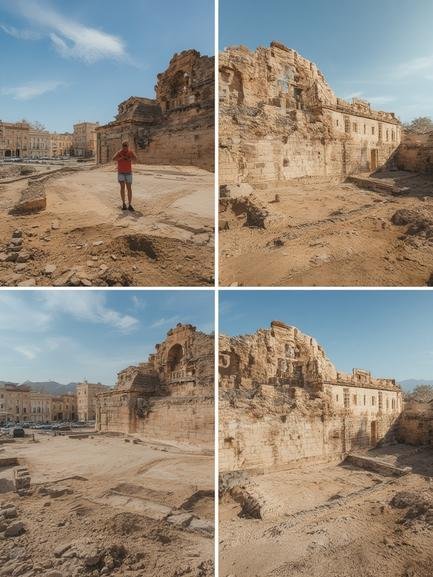
The beauty of having a Rabat car rental is the ability to create your perfect itinerary. Here’s a recommended driving route to maximize your experience:
1. Morning Start: Begin at the Hassan Tower and Mohammed V Mausoleum, where parking is available in the adjacent lot. Spend about an hour exploring this historic complex.
2. Mid-Morning: Drive to the Kasbah of the Udayas (10 minutes). Park in the designated area at the entrance and wander through this picturesque fortress with stunning ocean views and a peaceful Andalusian garden.
3. Lunch Break: Drive to the medina area (5 minutes) where you can park at Avenue Al Alaouyine and explore the traditional markets on foot. Enjoy lunch at one of the local restaurants.
4. Afternoon: Take a scenic drive along Corniche Road following the Atlantic coastline. Stop at Oudayas Beach to watch surfers and enjoy ocean views.
5. Late Afternoon: Drive to Chellah (15 minutes from the medina) to explore the ancient Roman and Islamic ruins. The site offers a large parking area and requires about 1-2 hours to appreciate fully.
6. Evening: Return to modern Rabat, parking near Avenue Mohammed V to experience the contemporary city center with its cafes, restaurants, and evening atmosphere.
Using a reliable rental vehicle allows you to cover this entire route comfortably in one day, something impossible with public transportation alone.
Nearby Attractions, Food & Accommodation
With your rental car, several attractions beyond city limits become easily accessible:
- Salé (10 minutes across the river): Visit the Great Mosque and Medersa, less touristed than Rabat’s sites
- Témara Beaches (20 minutes south): Enjoy more secluded beaches than those in central Rabat
- Skhirat (30 minutes south): Home to luxury resorts and pristine beaches
- Roman Ruins of Thamusida (40 minutes northeast): Ancient archeological site rarely visited by tourists
For dining, drive to upscale restaurants in the Agdal or Souissi neighborhoods, like Le Dhow (a floating restaurant on the Bouregreg River), or for more authentic experiences, go to Dinarjat in the medina. Accommodation ranges from the luxurious Sofitel Jardins des Roses (with parking) to boutique riads in the medina (where you’ll need to use nearby public parking).
Travel Tips & Common Mistakes to Avoid
When renting and driving in Rabat:
- Documentation: Always carry your rental agreement, identification, and driver’s license.
- Parking: Use guarded parking lots (indicated by blue “P” signs) rather than street parking
- Navigation: Download offline maps as mobile data can be unreliable
- Traffic Rules: Be aware that roundabouts are common, and vehicles already in the circle have the right-of-way.
- Fuel Policy: Return the car with the same fuel level as received to avoid hefty surcharges
- Speed Limits: Adhere to 60 km/h in urban areas, 100 km/h on open roads, and 120 km/h on highways
- Local Driving Culture: Expect occasional erratic driving behavior and be defensively cautious
- Avoid Night Driving: Particularly in unfamiliar rural areas around Rabat
Common mistakes include forgetting to check the vehicle thoroughly before accepting it (document any existing damage), misunderstanding insurance coverage, and failing to research parking options near major attractions.
Conclusion
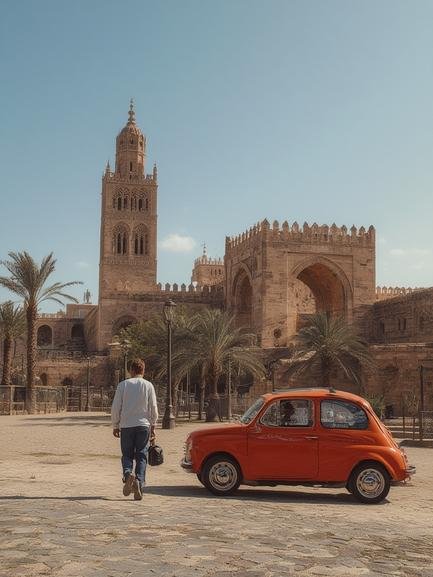
A Rabat car rental transforms your Moroccan capital experience from a standard city visit into a journey of personal discovery. The freedom to explore the Hassan Tower at sunrise, venture to less-visited corners of the Kasbah, or take spontaneous coastal drives creates memories beyond the standard tourist experience. Rabat’s combination of manageable traffic, well-maintained roads, and diverse attractions makes it ideal for self-driving exploration.
Whether you’re an independent traveler seeking authentic experiences or a family needing the convenience of door-to-door transportation, investing in a reliable rental vehicle offers value beyond its cost. As you return your keys at the end of your stay, the rich tapestry of experiences—from ancient ruins to ocean sunsets, from royal palaces to hidden cafes—will have created a personal connection to this elegant capital that guided tours simply cannot match.
FAQs
How safe is it to drive in Rabat compared to other Moroccan cities?
Rabat has some of Morocco’s best driving conditions with wider roads, clearer signage, and more orderly traffic than cities like Marrakech or Casablanca. As the administrative capital, it benefits from better infrastructure and enforcement of traffic regulations.
Do I need an International Driving Permit in Rabat?
While some tourists drive with only their home country’s license, an International Driving Permit is officially required and provides a recognized translation of your license. Most rental companies will ask for it alongside your original license.
What’s the parking situation around major tourist attractions?
Most major attractions have dedicated parking areas or nearby public lots. The medina and Kasbah areas have limited vehicle access, but peripheral parking is available. Budget approximately 10-20 dirhams per hour for guarded parking.
Is it worth renting a car just for Rabat, or should I plan a broader Morocco road trip?
A car rental makes sense even just for Rabat, especially for accessing the Kasbah, beaches, and nearby towns like Salé. However, if you’re comfortable with Moroccan driving conditions, extending your rental to include Meknes, Fez, or the Atlantic coast creates an exceptional road trip experience.
What type of vehicle is recommended for Rabat and its surroundings?
A compact or economy car is sufficient for Rabat’s urban environment and suburban excursions. SUVs are unnecessary unless you plan to venture into rural areas or the Middle Atlas mountains beyond the capital region.
BODY_END