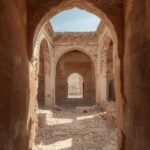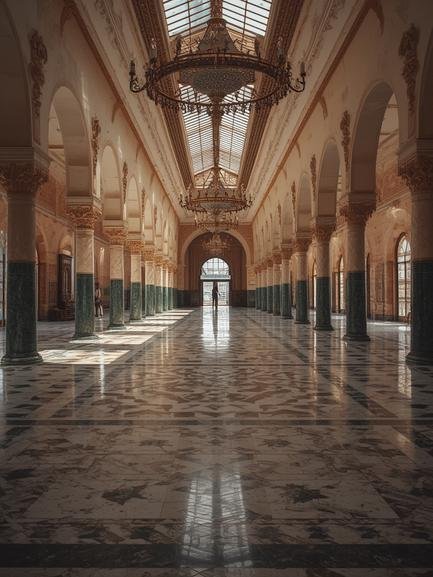

When arriving in Morocco’s capital city, the Rabat train station serves as both a gateway and a destination in its own right. Known locally as Gare de Rabat-Ville, this transportation hub combines functionality with striking architectural elements that reflect Morocco’s blend of tradition and modernity. Located in the heart of the city, the station isn’t merely a transit point but a cultural landmark worth exploring before venturing into the wider wonders of Rabat’s medina.
For tourists and culture enthusiasts alike, the station offers an impressive first glimpse into the aesthetic sensibilities of contemporary Morocco while providing convenient access to the country’s extensive rail network.
History & Cultural Background

The history of rail transport in Rabat dates back to the French Protectorate era in the early 20th century when Morocco’s first rail lines were established. The original station was constructed in 1923 as part of France’s modernization efforts in the country. However, the current station building that travelers see today is the result of a major renovation completed in 2018, transforming the facility into a modern transportation hub that honors Moroccan architectural traditions while incorporating contemporary design elements.
The renovation project was part of Morocco’s broader initiative to upgrade its rail infrastructure, coinciding with the introduction of Al Boraq, Africa’s first high-speed rail service. This evolution reflects Morocco’s commitment to modernizing its transportation networks while preserving cultural heritage. The station has witnessed significant historical moments, from the colonial era through independence in 1956 to its current role as a symbol of Morocco’s economic and infrastructural development.
Architectural Highlights & Key Features
The architectural design of the current Rabat-Ville station brilliantly merges modern functionality with traditional Moroccan aesthetic elements. The exterior features a striking façade with geometric patterns inspired by Islamic art, utilizing clean lines and natural lighting that creates an atmosphere of spaciousness and elegance.
Inside, travelers will find:
– A soaring main concourse with abundant natural light from the glass ceiling
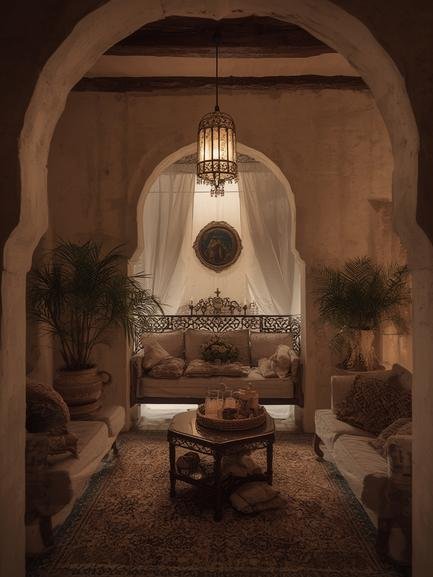
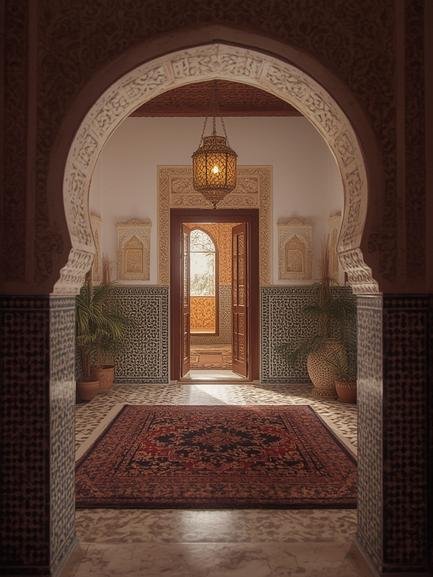
– Intricate zellige tilework and arabesque patterns adorning walls and columns
– Modern amenities, including digital information displays seamlessly integrated with traditional design elements
– Comfortable waiting areas with distinctive Moroccan seating arrangements
– Climate-controlled interior spaces that provide relief from Rabat’s summer heat
– Commercial spaces featuring both international brands and local Moroccan vendors
The station’s design achieves a remarkable balance between functionality and aesthetic beauty, making it not just a transportation facility but a cultural showcase of contemporary Moroccan design sensibilities.
Best Time to Visit & Practical Information
The station operates year-round, with trains running from approximately 5:00 AM to 11:00 PM daily. While accessible at all times during operating hours, the best times to appreciate the architectural features are during mid-morning or late afternoon when natural light enhances the interior spaces without the peak crowd levels.
Essential Information:
– Operating Hours: Daily from 5:00 AM to 11:00 PM (ticket offices close earlier)
– Entrance Fee: Free to enter the main station areas; train tickets required for platform access
– Dress Code: No specific requirements, but modest attire is appreciated
– Getting There: Centrally located and accessible by taxi, tram (Rabat-Ville stop), or a short walk from many city center hotels
For the most comfortable experience, avoid visiting during rush hours (7:30-9:00 AM and 5:00-7:00 PM on weekdays) when commuter traffic is heaviest.
Step-by-Step Exploration Guide
To fully appreciate the Rabat train station and its surroundings, follow this exploration route that highlights both architectural features and practical amenities of this important transport hub before continuing to explore Rabat’s medina and other attractions.
1. Main Entrance & Façade (15 minutes): Begin at the station’s front entrance to appreciate the impressive exterior design. Note the blend of modern lines with traditional Moroccan geometric patterns.
2. Grand Concourse (20 minutes): Enter the main hall and take time to admire the soaring ceiling with its natural light and the spacious layout. This is the best spot for photographs of the interior architecture.
3. Information Center (10 minutes): Stop by the information desk for a station map and train schedules if planning onward travel.
4. Upper Level Commercial Area (30 minutes): Take the escalators to the upper level to browse shops and cafés and enjoy panoramic views of the main concourse from above.
5. Traditional Design Elements (15 minutes): Look for decorative details throughout the station, including the tilework, arabesque patterns, and modern interpretations of Moroccan design elements.
6. Platform Area (15 minutes): If you have a ticket or are planning to travel, explore the platform area to see the trains and the technical aspects of this modern facility.
7. Station Square (20 minutes): Exit to the plaza in front of the station, which serves as a transition point between the transport hub and the city. This area offers excellent people-watching opportunities.
The entire exploration can take approximately 2 hours if done leisurely, making it a perfect introduction to Rabat before venturing further into the city.
Nearby Attractions, Food & Accommodation
The strategic location of Rabat-Ville station makes it an excellent starting point for exploring the city’s attractions:
Within Walking Distance (5-15 minutes):
– Mohammed V Avenue with its colonial architecture
– The modern art gallery Villa des Arts
– Numerous cafés and restaurants serving Moroccan and international cuisine
Short Tram or Taxi Ride (10-20 minutes):
– Hassan Tower and the Mohammed V Mausoleum
– The ancient Kasbah of the Udayas
– Rabat’s historic Medina quarter
– Chellah, the medieval fortified Muslim necropolis
Recommended Dining Options:
– For quick bites: Le Petit Gourmet (inside the station)
– Mid-range: Dar Naji (traditional Moroccan cuisine, 10-minute walk)
– Upscale: Le Dhow (floating restaurant on the Bouregreg river, short taxi ride)
Accommodation:
– Budget: Ibis Rabat Agdal (accessible by tram)
– Mid-range: Riad Dar El Kebira (in the historic medina)
– Luxury: Sofitel Rabat Jardin des Roses (requires short taxi ride)
Travel Tips & Common Mistakes to Avoid
Essential Tips:
– Purchase train tickets in advance for popular routes, especially during holidays and weekends
– Download the ONCF (Moroccan National Railways) app for real-time train information
– Keep small change handy for station facilities and nearby transportation
– The station offers free Wi-Fi—connect to plan your onward journey
– Store luggage in the secure lockers if you want to explore Rabat unencumbered
Common Mistakes to Avoid:
– Assuming all announcements will be in English (they’re typically in Arabic and French)
– Missing the validation step for certain ticket types before boarding
– Ignoring the class designation on your ticket—compartments are strictly enforced
– Underestimating platform walking distances when arriving close to departure time
– Relying on credit cards alone—some smaller vendors inside and around the station accept cash only
Conclusion
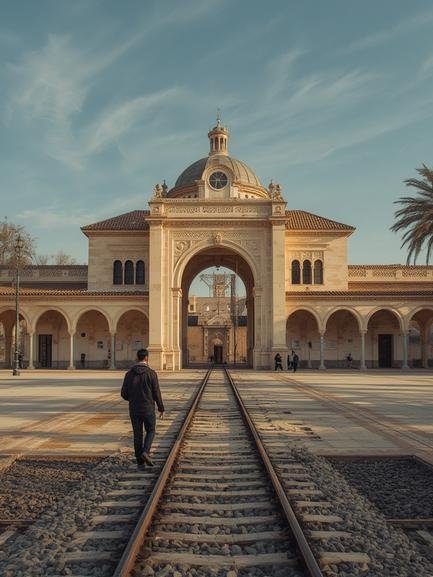
The Rabat train station represents much more than just a transportation hub; it stands as a symbol of Morocco’s successful blend of traditional cultural elements with modern infrastructure needs. Whether you’re using it as a starting point for your Moroccan adventure or including it in your exploration of Rabat’s medina and other attractions, the station offers a glimpse into the country’s architectural achievement and commitment to preserving cultural identity within contemporary spaces. Make sure to allow extra time before your departure or after your arrival to fully appreciate this distinctive landmark that serves as both a functional gateway to Morocco’s rail network and an architectural destination in its own right. As you plan your visit to Rabat, consider beginning your journey at this impressive station—where Morocco’s past, present, and future converge in a harmonious display of design excellence.
FAQs
Is it safe to visit Rabat train station as a tourist?
Yes, the station is generally very safe with security personnel present throughout. Like in any transportation hub worldwide, maintain awareness of your belongings in crowded areas.
How long should I plan to spend exploring the train station?
Allow 30-45 minutes to appreciate the architecture and facilities if passing through, or up to 2 hours if you want to explore thoroughly, including the surrounding area and shopping options.
Is there luggage storage available at Rabat train station?
Yes, the station offers secure luggage storage facilities for hourly or daily rates. You’ll need to present identification to use this service.
Can I take photographs inside Rabat train station?
Photography for personal use is generally permitted in public areas of the station. However, avoid photographing security checkpoints or personnel.
Are there English-speaking staff at the information desk?
While French and Arabic are the primary languages, many staff members at the information desk speak basic English. The ticket machines also have an English language option.
BODY_END