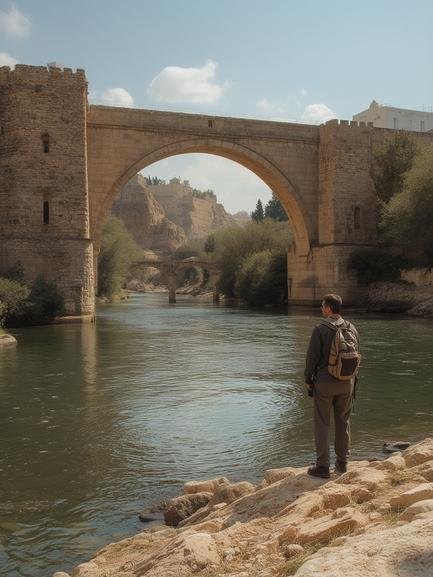

Have you ever dreamed of experiencing the perfect Moroccan journey that combines imperial grandeur with coastal charm? The route from Rabat to Tangier offers precisely this captivating blend, taking travelers through a fascinating transition from Morocco’s administrative capital to its legendary gateway between continents. This 250-kilometer journey along Morocco’s Atlantic coast has captivated travelers for centuries, revealing stunning coastal vistas, historic sites, and cultural treasures at every turn.
For history enthusiasts, the connection to Moroccan Royal Palaces along this route provides glimpses into the kingdom’s rich monarchical heritage, with both cities boasting impressive royal residences that reflect Morocco’s architectural magnificence.
History & Cultural Background

The corridor between these two historic cities has witnessed centuries of fascinating history. Rabat, founded in the 12th century by the Almohad ruler Abd al-Mu’min, became an imperial city and eventually Morocco’s capital in 1956. Its counterpart, Tangier, boasts an even more ancient legacy dating back to Phoenician times around 1500 BCE. The route connecting them has served as a vital artery for countless civilizations—Phoenicians, Romans, Arabs, Portuguese, Spanish, and French all left their mark on these lands.
During the 20th century, while Rabat developed as Morocco’s administrative center, Tangier enjoyed international zone status between 1923 and 1956, becoming a bohemian haven for writers, spies, and eccentric expatriates. This unique historical trajectory has created two distinctly different cities connected by a coastline dotted with ancient Roman ruins, Portuguese fortifications, and traditional fishing villages.
Architectural Highlights & Key Features
The architectural contrast between these cities creates a fascinating journey of discovery. Rabat showcases perfectly preserved Andalusian walls, the unfinished Hassan Tower (a 12th-century masterpiece intended to be the world’s largest minaret), and the meticulously designed Mausoleum of Mohammed V with its stunning zellige tilework and carved cedar ceilings.
As you travel northward, the landscape gradually shifts from Rabat’s imperial grandeur to Tangier’s distinctive blend of Mediterranean and Moorish influences. Tangier’s medina features whitewashed buildings reminiscent of Greek islands but with distinctly Moroccan decorative elements. The American Legation, the only U.S. National Historic Landmark located in a foreign country, represents unique Moroccan-American diplomatic history. This architectural evolution along the journey rivals famous coastal routes like Italy’s Amalfi Coast or California’s Pacific Highway, yet remains distinctively Moroccan.
Best Time to Visit & Practical Information
The ideal time to travel from Rabat to Tangier is during spring (April-May) and autumn (September-October) when temperatures are pleasant (65-75°F/18-24°C) and tourist crowds are moderate. Summer brings intense heat and packed beaches, while winter can be rainy but offers the advantage of fewer tourists.
Transportation options include:
– Train: The most comfortable option (2-2.5 hours, 1st class ~120 MAD, 2nd class ~80 MAD)
– Bus: CTM or Supratours services (3-4 hours, 80-100 MAD)
– Grand Taxi: More expensive but flexible (700-900 MAD for the entire taxi)
– Rental car: Offers freedom to explore (approximately 250 MAD/day plus fuel)
For the most scenic experience, consider breaking up the journey with overnight stays in coastal towns like Asilah.
Step-by-Step Exploration Guide
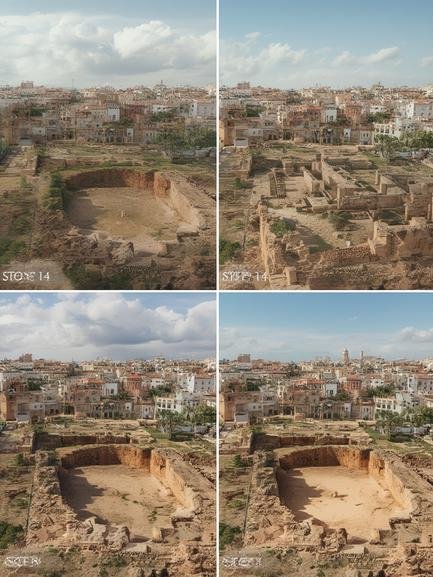
Day 1: Begin your journey from Rabat to Tangier by exploring Rabat’s essential sights:
1. Morning: Visit the Kasbah of the Udayas (arrive by 9 AM to avoid crowds) for panoramic Atlantic views and wander through its picturesque blue and white alleyways.
2. Mid-morning: Explore the Hassan Tower and Mohammed V Mausoleum complex (Pro tip: Visit on weekdays to avoid weekend crowds).
3. Afternoon: Discover the Chellah, a medieval fortified necropolis built upon ancient Roman ruins, where storks nest atop ancient walls.
Day 2: Journey northward with strategic stops:
1. Morning: Depart Rabat early and visit the archaeological site of Lixus near Larache, featuring impressive Roman ruins overlooking the Loukkos River.
2. Lunch: Stop in the artistic town of Asilah to enjoy fresh seafood and admire the whitewashed medina adorned with colorful murals from its annual arts festival.
3. Afternoon: Continue to Tangier, making a brief stop at Cap Spartel where the Atlantic meets the Mediterranean. The nearby Caves of Hercules offer remarkable photo opportunities of cave openings shaped like Africa.
Day 3: Explore Tangier while appreciating its connection to Moroccan Royal Palaces:
1. Morning: Tour the Kasbah Museum housed in the former Sultan’s palace with breathtaking views across the Strait of Gibraltar.
2. Midday: Wander through the medina and Grand Socco market.
3. Afternoon: Visit the American Legation Museum and enjoy tea at Café Hafa overlooking the Mediterranean.
Nearby Attractions, Food & Accommodation
Beyond the main route, consider side trips to:
– The blue city of Chefchaouen (2 hours from Tangier)
– The Roman ruins of Volubilis (day trip from Rabat)
– The beach town of Moulay Bousselham for birdwatching
Culinary highlights include fresh seafood tagines in coastal towns, Tangier’s famous mint tea tradition, and international cuisine reflecting the region’s cosmopolitan history.
Accommodation options range from luxury experiences like Rabat’s Villa Mandarine ($150-200/night) to mid-range options such as Tangier’s Hotel Continental ($70-90/night) with its atmospheric colonial charm, and budget-friendly riads like Dar Jameel in Rabat’s medina ($40-60/night).
Travel Tips & Common Mistakes to Avoid
– Don’t rush: Many travelers treat this route as a simple transfer rather than a destination in itself. Allow at least 3 days to fully appreciate the journey.
– Transportation timing: Book train tickets 1-2 days in advance during peak season.
– Currency: Carry cash for smaller towns as ATMs and card payments may be limited outside cities.
– Photography etiquette: Always ask permission before photographing locals.
– Dress code: Pack modest clothing for visiting religious sites and conservative areas.
Conclusion
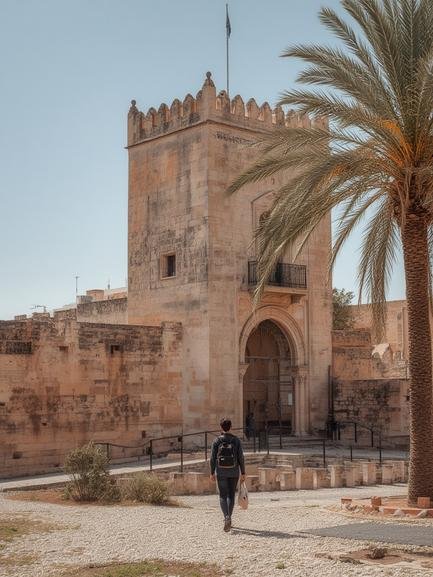
The journey from Rabat to Tangier represents one of Morocco’s most rewarding travel experiences, offering a perfect blend of historical depth, architectural splendor, and coastal beauty. From imperial monuments to charming fishing villages, this route reveals Morocco’s diverse cultural landscape in ways that staying in a single destination simply cannot. The presence of Moroccan Royal Palaces in both cities provides a tangible connection to the kingdom’s past and present, creating a journey through time as well as space. Whether you’re a history enthusiast, architecture lover, or simply seeking beautiful landscapes, this coastal route delivers unforgettable Moroccan memories. Have you explored this magnificent stretch of Atlantic Morocco? Share your experiences in the comments or save this guide for your upcoming Moroccan adventure!
FAQs
How many days should I spend traveling from Rabat to Tangier?
Ideally, allocate 3-4 days to fully experience the journey with stops in Asilah and other coastal towns. While the direct journey takes only 2-3 hours, the route deserves more time for proper exploration.
Is it safe to drive from Rabat to Tangier?
Yes, the route primarily follows the well-maintained N1 highway. Road conditions are generally good, though remain vigilant for occasional aggressive driving and be especially cautious when passing through towns where pedestrians may cross unexpectedly.
What’s the best way to experience local culture along this route?
Visit local markets (especially Thursday markets in smaller towns), engage with artisans in Asilah’s art galleries, and dine at family-run restaurants rather than tourist establishments. Learning a few Arabic or French phrases goes a long way in enhancing cultural interactions.
Can I visit Rabat and Tangier as a day trip from each other?
While technically possible, it’s not recommended. The 2-3 hour journey each way would leave very limited time for exploration, and you’d miss the coastal towns and attractions that make this route special.