
Wondering how to make the most of your journey from Rabat to Marrakech? This iconic route connects Morocco’s administrative capital to its vibrant cultural heart, offering travelers an unforgettable expedition through diverse landscapes and centuries of history. Whether you’re planning to experience the coastal charm of Rabat before diving into the sensory explosion of Marrakech medina, this journey represents one of North Africa’s most rewarding travel experiences.
The approximately 320 km path between these two remarkable cities unveils Morocco’s multi-faceted identity, from Atlantic coastlines to inland plains and finally the dramatic backdrop of the Atlas Mountains.
History & Cultural Background
The route connecting these two historical powerhouses has been traveled for centuries, functioning as a vital artery of Moroccan commerce and cultural exchange since medieval times. Rabat, established as a fortress in the 12th century by the Almohad ruler Abd al-Mu’min, gained prominence as an important port. Meanwhile, Marrakech, founded in 1062 by Abu Bakr ibn Umar, became the imperial capital of the Almoravid dynasty and later flourished under the Almohads. The path between them evolved from camel caravans carrying salt, gold, and spices to today’s modern highway that still follows much of the historical trading route. This corridor has witnessed the rise and fall of dynasties, from the Almoravids and Almohads to the Merinids, Saadians, and finally the Alaouites, who rule Morocco today.
Architectural Highlights & Key Features
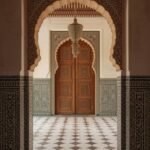
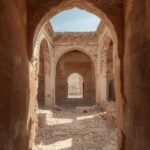
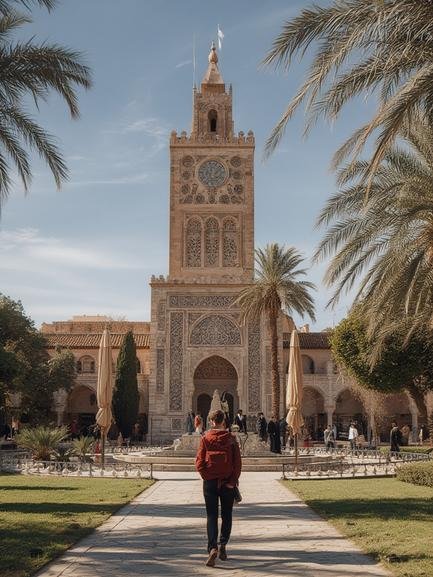
The journey showcases Morocco’s architectural diversity. Leaving Rabat, you’ll depart from a city known for its blend of French colonial design and traditional Moorish aesthetics, exemplified by the Hassan Tower and Chellah Necropolis. As you travel southward, you’ll pass through Casablanca with its Art Deco influences and iconic Hassan II Mosque. Further along, smaller towns like Settat and Ben Guerir reveal traditional Moroccan vernacular architecture. Upon arriving in Marrakech, you’re greeted by the city’s distinctive salmon-pink buildings, impressive ramparts, and architectural jewels like the Koutoubia Mosque, whose 12th-century minaret bears striking resemblance to Seville’s La Giralda. The architectural transitions along this route parallel similar historical corridors like Spain’s route from Madrid to Andalusia.
Best Time to Visit & Practical Information
The ideal time to travel from Rabat to Marrakech is during spring (March-May) or fall (September-November), when temperatures are pleasant and landscapes are at their most photogenic. Summer months can be extremely hot in Marrakech, often exceeding 40°C (104°F), while winters are mild but can bring rain along the coast near Rabat.
Transportation options include:
– Train: ONCF operates frequent services (7-10 daily) taking approximately 4.5 hours (200-250 MAD/~$20-25)
– Bus: CTM and Supratours offer comfortable coach services (4-5 hours, 120-180 MAD/~$12-18)
– Private transfer: Most convenient but pricier option (approximately 2000-3000 MAD/~$200-300)
– Rental car: Offers flexibility for exploring en route (from 500 MAD/~$50 per day plus fuel)
Book train tickets a day in advance during peak travel seasons, and arrive at stations at least 30 minutes before departure.
Step-by-Step Exploration Guide
To maximize your journey from Rabat to Marrakech, consider this exploration itinerary:
1. Morning in Rabat: Begin with breakfast at Café Maure in the Kasbah des Oudaias, overlooking the Atlantic. Spend 2-3 hours exploring the nearby Andalusian Gardens and Kasbah district.
2. Casablanca Stopover: If time permits, arrange a 3-hour stop in Casablanca to visit the Hassan II Mosque, one of few mosques in Morocco open to non-Muslims. Pro tip: Pre-book your guided tour online.
3. Lunch in Settat: Break your journey at this mid-point town known for its authentic tagines at no-frills local restaurants like Restaurant Amal.
4. Afternoon Arrival in Marrakech: Enter through Bab Agnaou gate for a dramatic introduction to the Marrakech medina. Make your first stop the Koutoubia Mosque’s gardens for orientation.
5. Evening Exploration: Head directly to Jemaa el-Fna square as the sun sets to experience the transformation from daytime market to evening food and entertainment hub.
Nearby Attractions, Food & Accommodation
Along this route, consider these worthy detours and overnight stops:
Notable Side Trips:
– El Jadida (UNESCO World Heritage Portuguese city)
– Azemmour (artsy riverside town)
– Oualidia (coastal lagoon famous for oysters)
Where to Eat:
– Rabat: Dar El Medina for traditional Moroccan cuisine (300-400 MAD for two)
– En route: Aire de Service Khouribga for surprisingly good roadside tajines
– Marrakech: Nomad for modern Moroccan with rooftop views (250-350 MAD for two)
Where to Stay:
– Budget: Riad Dar Tamlil in Marrakech (from 350 MAD/~$35)
– Mid-range: Riad Kalaa in Rabat (from 900 MAD/~$90)
– Luxury: La Mamounia in Marrakech (from 4000 MAD/~$400)
Travel Tips & Common Mistakes to Avoid
1. Don’t rush the journey: Many travelers treat this as a simple transfer rather than part of the experience. Allow time for stops.
2. Avoid direct afternoon arrivals in Marrakech: The medina can be overwhelming at first; arrive with enough daylight to get oriented.
3. Cash considerations: Ensure you have small denominations for stops along the way; many smaller establishments don’t accept cards.
4. Navigation errors: Download offline maps before departure as GPS signal can be unreliable in rural areas.
5. Photography etiquette: Always ask permission before photographing locals, especially in smaller towns between the cities.
Conclusion

The journey from Rabat to Marrakech represents much more than a simple transfer between cities—it’s an expedition through Morocco’s multifaceted soul. From the Atlantic-influenced administrative capital to the desert-kissed cultural treasure of Marrakech medina, this route encapsulates the remarkable diversity that makes Morocco so captivating. By taking time to appreciate the transitions in landscape, architecture, and culture along the way, travelers gain deeper insight into this fascinating country. Consider building this journey into your Moroccan itinerary rather than simply passing through—the memories you’ll create between these iconic destinations may become highlights of your entire North African adventure.
FAQs
How long does it take to travel from Rabat to Marrakech?
The journey typically takes 4-5 hours by train or bus, and 3-4 hours by private car, depending on traffic and stops along the way.
Is it safe to drive between Rabat and Marrakech?
Yes, the main highway (A7) connecting the cities is well-maintained and considered safe. However, be cautious of occasional aggressive driving behaviors and keep valuables out of sight when parked.
What’s the most comfortable way to travel between these cities?
First-class train travel offers the best balance of comfort, price, and convenience, with spacious seats, air conditioning, and the freedom to move around during the journey.
Can I do this journey as a day trip?
While technically possible, it’s not recommended as a day trip. Allow at least one overnight stay to properly experience Marrakech after arriving from Rabat.
Are there any interesting stops between Rabat and Marrakech?
Besides Casablanca, consider stops at El Jadida for its Portuguese cistern, Azemmour for its artistic atmosphere, or Oualidia for its lagoon and seafood restaurants.