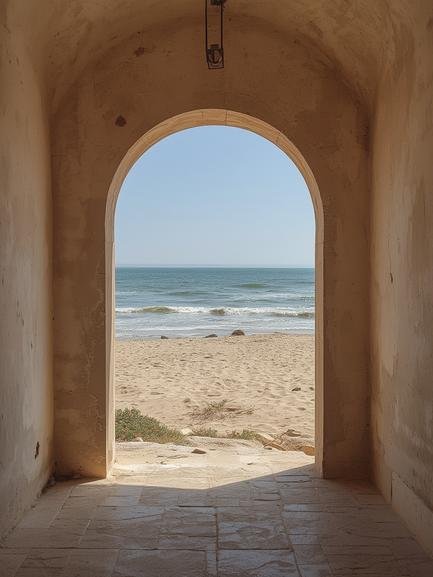

Have you ever dreamed of discovering pristine coastal havens where ancient history meets Atlantic beauty? Morocco’s capital city holds a well-kept secret along its shoreline that deserves your attention. Rabat beaches offer visitors a refreshing escape from the bustling medina while showcasing stunning views of the Atlantic Ocean. Unlike the more frequented beaches of Essaouira or Agadir, Rabat’s coastal stretches provide a unique blend of urban accessibility and natural beauty, making them perfect for travelers seeking both cultural immersion and relaxation.
While exploring these shores, you might also want to discover the magnificent Hassan Tower, an iconic landmark that stands as a testament to Rabat’s rich architectural heritage.
History & Cultural Background
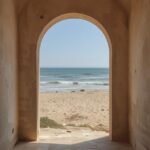
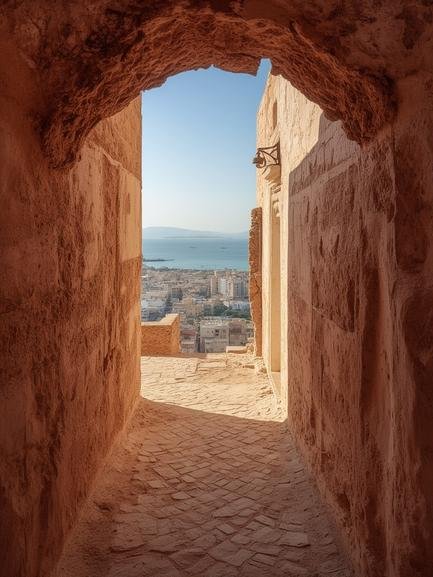
Rabat’s coastline has witnessed centuries of historical transformations, from ancient Phoenician settlements to Roman outposts. By the 12th century, the Almohad ruler Abd al-Mu’min began developing the area as a fortified city called Ribat al-Fath (Fortress of Victory), which eventually gave Rabat its name. The beaches have historically served as important defensive positions, with many fortifications still visible today along the coast.
During the French Protectorate (1912-1956), the colonial administration redesigned parts of the coastline, adding promenades and recreational areas that reflect European urban planning. After independence, these beaches became popular gathering spots for locals, especially during the summer months. Today, they represent a fascinating blend of Moroccan traditions and modern leisure activities, with fishermen working alongside sunbathers and surfers.
Architectural Highlights & Key Features
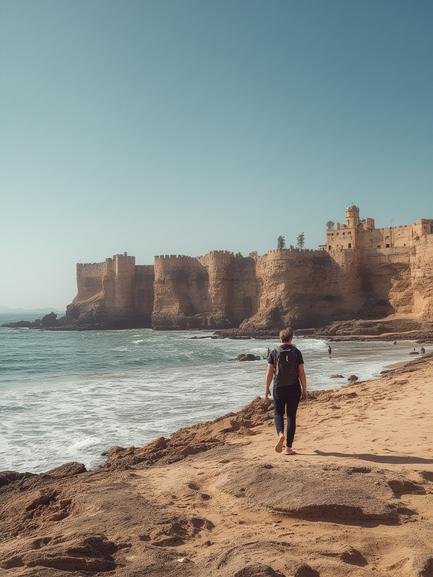
Rabat’s beaches are distinguished by their dramatic setting against historic fortifications. The Kasbah of the Udayas overlooks Udayas Beach, creating one of Morocco’s most photogenic coastal scenes. This 12th-century fortress, with its brilliant blue and white alleys, provides a stunning backdrop to the golden sands below.
Further along the coast, the modern beachfront development at Rabat Plage showcases contemporary Moroccan design with promenades lined with palm trees, public art installations, and architectural elements that reference traditional patterns. Unlike the crowded beaches of Barcelona or Nice, Rabat’s coastal areas maintain a more relaxed atmosphere while still offering impressive infrastructure.
The meeting of the Bou Regreg River with the Atlantic Ocean creates a unique ecosystem and landscape feature that distinguishes these beaches from others in North Africa. The natural harbor this forms has been vital to the city’s development and remains an integral part of its maritime character.
Best Time to Visit & Practical Information
The ideal time to visit Rabat beaches is during late spring (April-May) or early autumn (September-October) when temperatures are pleasant (70-80°F/21-27°C) and tourist crowds are thinner. Summer (June-August) brings local holidaymakers in large numbers, particularly on weekends.
Most beaches are freely accessible 24/7, though swimming is advised only when lifeguards are present (typically 9 AM-6 PM during summer). Public beaches have basic facilities including restrooms, showers, and changing areas. For transportation, the coastal tram line provides convenient access to most beaches for just 6 dirhams per ride.
When planning your visit, remember that modest beachwear is appreciated, especially on more local beaches. While bikinis are acceptable at touristy areas like Temara Plage, a more conservative approach is recommended at family-oriented beaches.
Step-by-Step Exploration Guide
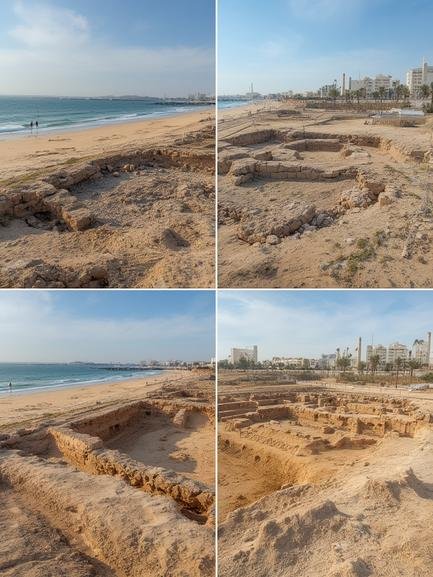
1. Start at Udayas Beach: Begin your coastal exploration beneath the Kasbah of Udayas. Morning visits offer the best light for photographs capturing the fortress walls against the ocean. Grab a mint tea at Café Maure first for spectacular views.
2. Stroll along Bouregreg River: Follow the riverbank promenade toward the Atlantic, where local fishermen sell their fresh catch. This provides excellent views of Salé across the water.
3. Visit Rabat Beach (Plage de Rabat): The city’s main beach offers a wide stretch of sand perfect for a midday break. Rent an umbrella (20 dirhams) and enjoy people-watching as locals play beach soccer.
4. Explore Temara Beach: Just 10km south of the center, this is where to head for water activities. Surfing lessons are available for beginners (200-300 dirhams), and the beachside cafés serve delicious grilled fish.
5. End at Skhirat Beach: If time allows, venture further south to this upscale beach area with more developed facilities and restaurants. Consider timing your visit with sunset before heading to view the illuminated Hassan Tower on your return to the city center.
Nearby Attractions, Food & Accommodation
After enjoying Rabat beaches, explore the nearby Chellah necropolis, just a 15-minute drive from the coastline. This Roman and medieval Islamic site offers a fascinating glimpse into the region’s layered history. The Rabat Archaeological Museum provides context for these historical treasures and makes an excellent rainy-day alternative.
For authentic seafood, visit the restaurants lining Oudayas Beach, where La Dhow offers fresh catches with panoramic ocean views (150-250 dirhams per person). Budget travelers should try the small food stalls near Temara Beach serving delicious fish tagines for around 50 dirhams.
Accommodation options range from the luxurious Sofitel Jardin des Roses (2,000+ dirhams/night) to boutique riads in the medina like Riad Zyo (800 dirhams/night) and budget-friendly options such as Hostelling International Rabat (150 dirhams/night).
Travel Tips & Common Mistakes to Avoid
1. Don’t limit yourself to one beach: Many visitors only see Udayas Beach but miss the quieter, more local spots like Harhoura Beach.
2. Beware of strong currents: Always check flag warnings and swim only in designated areas with lifeguard supervision.
3. Don’t forget sun protection: The Atlantic breeze can be deceiving – sunburn happens quickly even on cloudy days.
4. Respect local customs: Avoid excessive public displays of affection and maintain modest beachwear away from tourist beaches.
5. Don’t ignore timing: Beach cafés often close earlier than city establishments, so plan meals accordingly.
Conclusion
Rabat beaches offer a perfect blend of historical richness and natural beauty that deserves a place on any Morocco itinerary. From the shadow of ancient fortifications to the gentle Atlantic waves, these coastal treasures provide a multifaceted experience that reveals another dimension of Morocco’s capital. Whether you’re capturing Instagram-worthy sunset photos with the Hassan Tower silhouetted against the horizon or simply unwinding on golden sands after exploring the medina, Rabat’s shoreline offers memorable moments for every type of traveler. Save this guide for your next Moroccan adventure, and don’t forget to share your beach discoveries in the comments below!
FAQs
Are Rabat beaches safe for swimming?
Most designated swimming areas are safe, but always observe flag warnings and swim where lifeguards are present. The Atlantic currents can be strong, particularly during winter months.
How much time should I allocate for visiting Rabat’s beaches?
A full day allows you to explore 2-3 different beaches. If you’re short on time, a half-day focusing on Udayas Beach and the adjoining Kasbah provides a good introduction.
Are there facilities for people with mobility challenges?
Rabat Plage and Temara Beach have improved accessibility with wooden walkways and some accessible facilities, though most beaches still present challenges for wheelchair users.
Can I consume alcohol on Rabat’s beaches?
Public consumption of alcohol is prohibited on all beaches. Respect local customs and save alcoholic beverages for licensed restaurants and hotels.
Is it acceptable to take photographs on the beaches?
Photography is generally allowed, but always ask permission before photographing locals, especially women and children. Some areas near military installations may restrict photography.