
Have you ever wondered where the intellectual heart of Morocco beats strongest? Nestled in the capital city of Rabat stands the magnificent National Library of Morocco Rabat, a cultural beacon that houses centuries of knowledge and literary heritage. This architectural masterpiece isn’t just a repository of books but a testament to Morocco’s commitment to preserving its rich intellectual legacy.
For travelers interested in delving deeper into Morocco’s cultural fabric, this library offers a refreshing alternative to the typical tourist attractions. The stunning collection includes rare Arabic manuscripts that draw scholars and curious visitors from around the world, making it an essential stop for those seeking to understand Morocco beyond its markets and medinas.
History & Cultural Background

The National Library of Morocco’s story begins in 1924 when it was established as the General Library of the Protectorate. After Morocco gained independence in 1956, it was renamed the General Library and Archives before finally becoming the National Library in 2003. The current magnificent building, inaugurated by King Mohammed VI in 2008, represents a significant upgrade from its former facilities.
Throughout its evolution, the library has been instrumental in preserving Morocco’s documentary heritage. It has weathered political changes, cultural shifts, and technological revolutions while maintaining its core mission of safeguarding knowledge. The institution’s journey reflects Morocco’s own transition from a colonial protectorate to a modern nation proud of its cultural identity and intellectual contributions to world civilization.
Architectural Highlights & Key Features
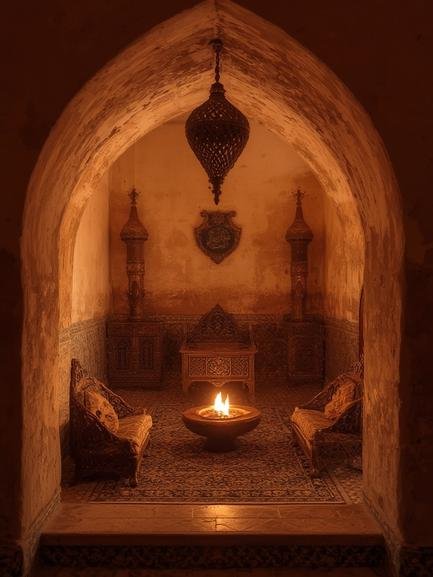
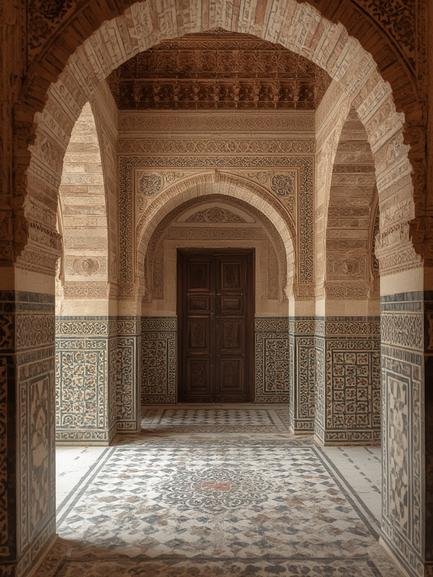
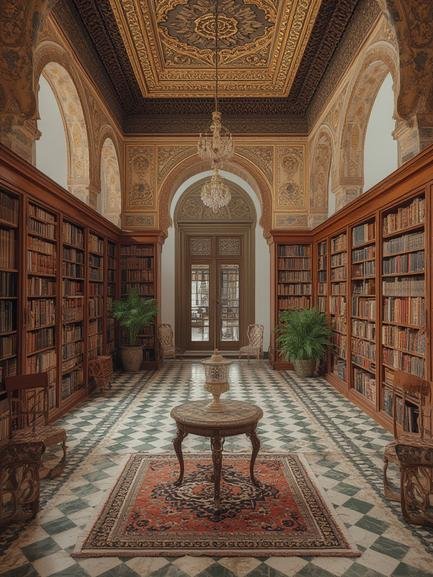
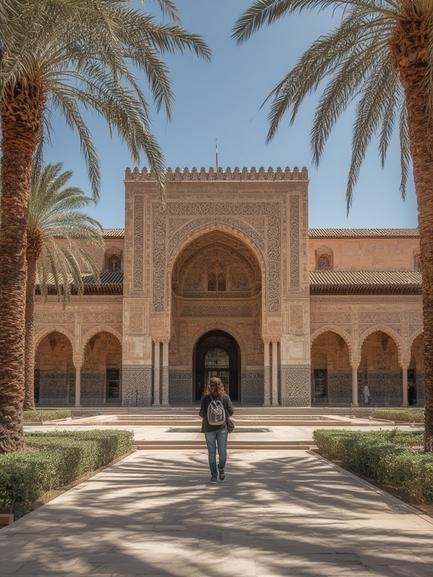
The National Library’s architecture masterfully blends traditional Moroccan design elements with modern functionality. The 20,000-square-meter building features impressive geometric patterns, intricate zellige tilework, and mashrabiya-style screens that filter sunlight into reading rooms, creating an atmosphere conducive to study and reflection.
The library’s façade incorporates traditional Moroccan arches and decorative elements, while its interior houses state-of-the-art preservation facilities. The main reading room, with its soaring ceiling and abundant natural light, draws comparisons to renowned libraries like Alexandria’s Bibliotheca Alexandrina and France’s Bibliothèque Nationale.
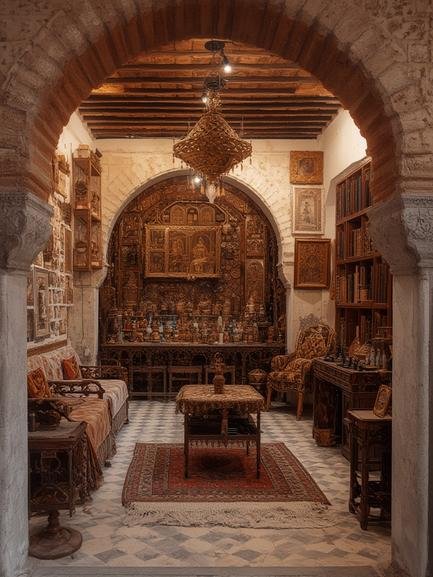
What truly sets this institution apart is its dual commitment to preserving historical documents while embracing cutting-edge technology. The library houses over 400,000 books, 43,000 manuscripts, and thousands of rare documents, including ancient Quranic texts, historical maps, and royal decrees dating back centuries.
Best Time to Visit & Practical Information
The National Library welcomes visitors year-round, but the most pleasant experience comes during spring (March-May) and fall (September-November), when Rabat’s weather is mild. Weekday mornings typically offer the quietest environment for exploration.
Opening hours run from Monday to Friday, 8:30 AM to 6:00 PM, and Saturday from 9:30 AM to 4:30 PM (closed Sundays). Entry is free for general visitors, though some special exhibitions might charge a modest fee. No specific dress code exists, but modest clothing is appreciated as a sign of respect.
Located on Avenue Ibn Khaldoun in the Agdal district, the library is easily accessible via Rabat’s tram system (nearest stop: Bibliothèque Nationale) or by taxi from anywhere in the city. For the best experience, consider joining one of the guided tours offered in multiple languages, which should be booked at least a day in advance through the library’s website.
Step-by-Step Exploration Guide
Begin your visit at the impressive main entrance hall, where the architectural grandeur immediately sets the tone for your exploration. From here, follow this route:
1. Main Exhibition Area: Start with the rotating exhibitions that showcase selected treasures from the collection. The National Library of Morocco in Rabat frequently displays thematic exhibitions highlighting different aspects of Moroccan literary heritage.
2. Manuscript Room: Continue to the special viewing area where some of the most precious Arabic manuscripts are displayed behind climate-controlled glass. Don’t rush through this section—take time to appreciate the exquisite calligraphy and illuminations.
3. Main Reading Room: Even if you’re not studying, peek into this impressive space to witness the library in action. Capture photos from the entrance without disturbing readers.
4. Digital Media Center: Explore how the library is digitizing its collections to preserve them for future generations.
5. Outdoor Gardens: Conclude with a stroll through the meticulously maintained gardens surrounding the building, offering excellent photo opportunities of the exterior architecture.
Nearby Attractions, Food & Accommodation
After visiting the library, explore the modern Agdal district with its upscale shops and cafés. Within a short taxi ride, you can reach the historic Kasbah of the Udayas, the Rabat Archaeological Museum, and Hassan Tower—all worth visiting.
For dining, try Le Petit Beur (10-minute walk) for authentic Moroccan cuisine or Ty Potes (5-minute walk) for French-inspired dishes. Coffee enthusiasts should visit Bloom Coffee House nearby for excellent brews in a contemporary setting.
Accommodation options range from the luxurious Sofitel Jardin des Roses (15-minute walk) to the mid-range Hotel Annakhil (10-minute walk) and the budget-friendly Ibis Rabat Agdal (5-minute walk). For a more authentic experience, consider staying at Riad Kalaa in the old medina, though it requires a short taxi ride to reach the library.
Travel Tips & Common Mistakes to Avoid
– Don’t skip the guided tour: Self-guided visits miss many fascinating details about the collections and architecture.
– Check exhibition schedules: Special exhibitions change regularly, so check the website before visiting.
– Bring identification: You may need to present ID at the entrance.
– Respect quiet zones: Remember this is a working library, not just a tourist attraction.
– Allow enough time: Many visitors underestimate the size and scope of the library—allocate at least 2 hours.
– Photography restrictions: Confirm which areas permit photography, as policies may change.
– Visit on weekdays: Weekend visits often coincide with local families and can be crowded.
Conclusion
The National Library of Morocco Rabat stands as a bridge between Morocco’s rich intellectual past and its forward-looking present. This cultural institution offers travelers a deeper understanding of Morocco’s literary contributions and scholarly traditions. Beyond the stunning architecture and valuable collections, it provides insight into how Morocco values and preserves knowledge. The rare Arabic manuscripts alone make this destination worthwhile for anyone interested in history, art, or literature. As you plan your Moroccan itinerary, consider allocating time to this often-overlooked gem—it may well become one of your most memorable experiences in the country. Have you visited this remarkable institution? Share your experience in the comments or explore our other guides to Morocco’s cultural treasures!
FAQs
How long should I spend at the National Library of Morocco?
Most visitors spend 1.5-2 hours exploring the library and its exhibitions. If you join a guided tour, allow for 2-3 hours total.
Is the National Library accessible for visitors with mobility challenges?
Yes, the modern building features ramps, elevators, and accessible facilities throughout. Contact the library in advance for any specific accommodation needs.
Can tourists view the rare manuscript collections?
Yes, selected manuscripts are displayed in rotating exhibitions. Serious researchers can apply for special access to study specific documents by submitting a formal request in advance.
Are there English-language tours available?
Yes, guided tours are available in several languages, including English, French, Arabic, and Spanish. It’s recommended to book these at least 24 hours in advance.
Can I take photographs inside the library?
Photography is permitted in certain areas but prohibited in others to protect sensitive materials. Staff will clearly indicate where photography is allowed, and flash photography is never permitted near manuscripts.