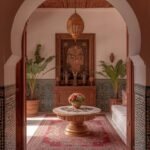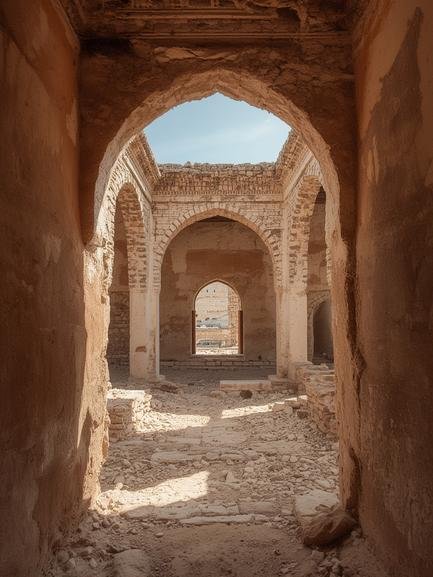

Have you ever walked through ancient ruins that tell tales spanning nearly 2,000 years of history? The Chellah ruins in Rabat offer precisely this extraordinary journey through time. Nestled on the outskirts of Morocco’s capital, this archaeological complex stands as a testament to the diverse civilizations that once thrived in North Africa. From Roman remnants to medieval Islamic structures, the site provides a fascinating glimpse into Morocco’s layered past.
History enthusiasts and photography lovers alike will find themselves captivated by the unique blend of Roman and Islamic architecture set against the backdrop of lush gardens, where storks nest atop ancient minarets and the historical sites of Rabat come alive with vibrant stories of bygone eras.
History & Cultural Background
The history of Chellah dates back to ancient Phoenician settlements around the 7th century BCE, though it truly flourished as the Roman city of Sala Colonia in the 1st century CE. This prosperous Roman outpost boasted typical features of Roman urban planning, including a forum, triumphal arch, and public baths. After the Romans withdrew in the 5th century, the site lay abandoned until the 13th century, when the Marinid Sultan Abu Yusuf Yaqub transformed it into a necropolis and religious complex.
The Marinid dynasty (13th-15th centuries) added Islamic monuments, including a mosque, madrasa (Islamic school), and royal tombs. This layer of Islamic architecture atop Roman foundations creates the unique dual heritage that makes Chellah so historically significant. The site was devastated by the 1755 Lisbon earthquake but has since been carefully preserved as an archaeological treasure that showcases Morocco’s multifaceted history.
Architectural Highlights & Key Features
The architectural marvel of Chellah lies in its fascinating blend of Roman and Islamic styles. The Roman section features remnants of the ancient forum, a triumphal arch, and thermal baths with visible heating systems (hypocaust). Look for the stone-paved decumanus maximus (main street) and fragments of columns that once lined the city’s thoroughfares.
The Islamic complex is entered through a magnificent gate (Bab Chellah) decorated with intricate geometric patterns and calligraphy. Inside, the 14th-century minaret stands as the most prominent structure, with its distinctive square design typical of North African Islamic architecture. Unlike other famous Roman-Islamic sites like Spain’s Medina Azahara, Chellah uniquely showcases not just different architectural styles but also how they were built in different eras on the same site, creating a living timeline of architectural evolution.
Best Time to Visit & Practical Information
The ideal months to visit Chellah are April-June and September-November, when temperatures are pleasant for exploring outdoors. Summer months (July-August) can be uncomfortably hot, while winter occasionally brings rain. Morning visits (8-11 AM) offer the best lighting for photography and fewer crowds.
The site is open daily from 8:30 AM to 5:30 PM (closing at 6:30 PM during summer months). Entrance fees are approximately 70 Moroccan dirhams (about $7 USD). No specific dress code is required, though modest clothing is appreciated, as some areas were once religious sites.
To reach Chellah, take a petit taxi from Rabat city center for around 20-30 dirhams ($2-3), or catch bus #7 from central Rabat. Allow at least 2 hours to fully explore the complex and its gardens.
Step-by-Step Exploration Guide
1. Main Gate (Bab Chellah): Begin your journey at the impressive 13th-century Marinid gate, adorned with intricate Islamic carvings. Take photos of the exterior before entering.
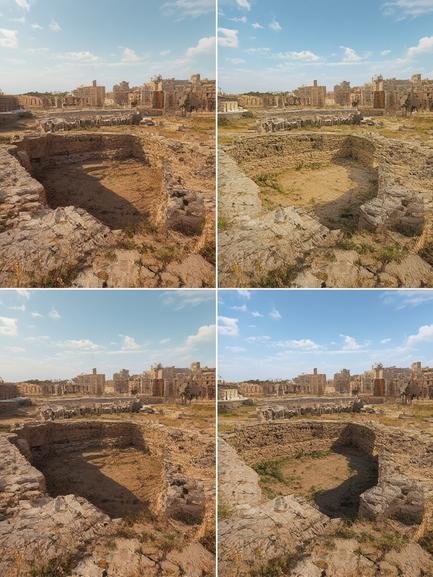
2. Roman Ruins Area: Head first to the Roman section to see the archaeological remains chronologically. Look for the forum foundations and the partially preserved thermal bath complex with its distinctive arches.
3. Islamic Necropolis: Continue to the Marinid sanctuary where you’ll find the minaret, mosque ruins, and zaouia (religious complex). The Chellah ruins in Rabat showcase an exceptional fusion of cultural influences in this area, where Islamic builders respected earlier Roman structures.
4. Sacred Pool: Discover the eel pool considered sacred by locals. According to tradition, women seeking fertility would bring hard-boiled eggs to feed the eels.
5. Marinid Tombs: Explore the royal mausoleum area where Marinid sultans were buried. Notice the storks that nest on top of the ruins, adding a unique wildlife element to this historical site of Rabat.
6. Gardens: Finish your visit with a peaceful stroll through the lush gardens, perfect for contemplation and taking final photographs.
Nearby Attractions, Food & Accommodation
After exploring Chellah, visit the nearby Kasbah des Oudaias, the Hassan Tower, and the Mohammed V Mausoleum, all within a 15-minute drive. The Rabat Archaeological Museum complements your Chellah experience with artifacts discovered at the site.
For authentic Moroccan cuisine, try Dar El Médina in the medina for traditional dishes like tagine and couscous (150-250 dirhams per person). More budget-friendly options include Café El Bahia near the medina walls.
Stay at Riad Kalaa in the medina (luxury, 1,500+ dirhams/night), Hôtel Le Diwan MGallery (mid-range, 800-1,200 dirhams), or Ibis Rabat (budget, 400-600 dirhams) for convenient access to all attractions.
Travel Tips & Common Mistakes to Avoid
1. Timing mistakes: Many visitors arrive at midday when the sun is harshest and ruins the lack of shadow definition. Instead, visit in the early morning for better photography and cooler temperatures.
2. Missing the details: Bring binoculars to spot the intricate carvings on the minaret and to observe storks nesting atop the ruins.
3. Ignoring the Roman section: Some visitors rush to the more visible Islamic ruins, missing the older Roman foundations. Take time to explore both historical layers.
4. Not hiring a guide: While signage exists, many fascinating stories and hidden details are only revealed with a knowledgeable guide (available at the entrance for 100-150 dirhams).
5. Forgetting water and sun protection: The site offers little shade, so bring water, wear a hat, and apply sunscreen.
Conclusion
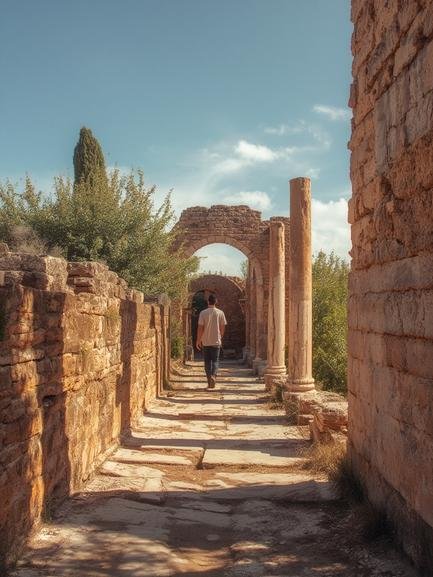
The Chellah ruins Rabat stands as one of Morocco’s most compelling archaeological sites, offering visitors a unique opportunity to witness the intersection of Roman and Islamic civilizations. This ancient necropolis provides not just a window into the past but a serene escape from the bustling energy of modern Rabat. Whether you’re captivated by archaeological discoveries, architectural wonders, or simply seeking beautiful photography settings, Chellah delivers a remarkable experience that deepens your understanding of Morocco’s rich cultural tapestry. As you plan your Moroccan itinerary, be sure to dedicate at least half a day to this extraordinary site. Have you explored other historical sites of Rabat? Share your experiences in the comments below, and don’t forget to check out our guides to Fes and Marrakech for more Moroccan adventures!
FAQs
How long does it take to visit the Chellah ruins properly?
Most visitors spend 1.5-2 hours exploring the site thoroughly. Add an extra hour if you’re hiring a guide or are particularly interested in photography.
Is Chellah accessible for visitors with mobility challenges?
The site has some uneven terrain and steps without modern accessibility features. While the main pathways are navigable, some areas of the ruins may be challenging for wheelchair users or those with mobility issues.
Can I take photographs at Chellah?
Yes, photography is allowed throughout the site with no restrictions. Tripods are permitted without additional fees, making it ideal for serious photographers.
Is Chellah safe to visit as a solo traveler?
Yes, Chellah is generally very safe and well-monitored. Like most tourist sites in Morocco, exercise normal precautions with valuables. The site has regular security personnel and is frequently visited by both locals and tourists.
What’s the best day of the week to visit Chellah?
Tuesdays and Thursdays typically see fewer visitors. Weekends (especially Sundays) can be busier with local families. Consider a weekday morning visit for the most peaceful experience.