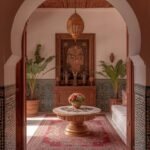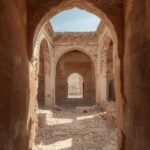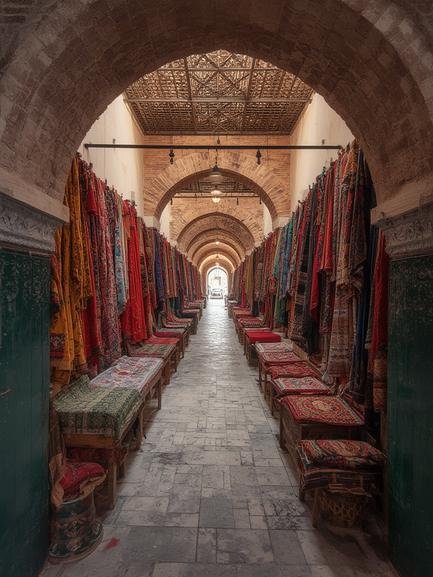

Have you ever dreamed of wandering through centuries-old marketplaces where the air is filled with the aroma of exotic spices and the vibrant colors of handcrafted treasures catch your eye at every turn? The Rabat souks offer precisely this enchanting experience, inviting visitors to step back in time while engaging with Morocco’s living cultural heritage. Unlike the more famous Marrakech medina that often overwhelms first-time visitors, Rabat’s traditional markets provide a more authentic and less touristy atmosphere where you can observe local life unfold naturally.
These historical marketplaces serve as the beating heart of Morocco’s capital city, offering a fascinating glimpse into traditional commerce and craftsmanship that has survived the test of time.
History & Cultural Background
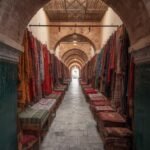
The history of Rabat’s marketplaces dates back to the 12th century when the Almohad dynasty established the city as a fortified military camp. However, it was during the Andalusian period that the souk culture truly flourished, as Muslim and Jewish artisans fleeing Spain brought their sophisticated craftsmanship techniques to Morocco. By the 17th century, under the Alaouite dynasty, Rabat had developed specialized market districts similar to medieval European guild systems, with entire sections dedicated to specific crafts like leatherwork, carpentry, and textile production.
The French Protectorate period (1912-1956) introduced modern commercial elements while preserving the traditional structure of the souks. Unlike many North African markets that were dramatically altered during colonization, Rabat’s commercial districts maintained much of their authentic character due to forward-thinking urban planning that created the Ville Nouvelle (New City) separate from the historic medina, allowing traditional commerce to continue relatively undisturbed.
Architectural Highlights & Key Features
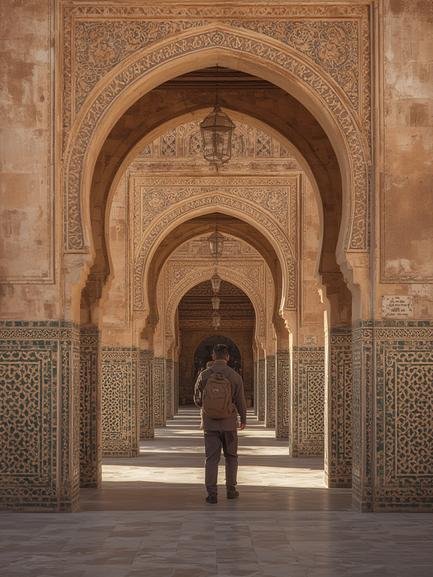
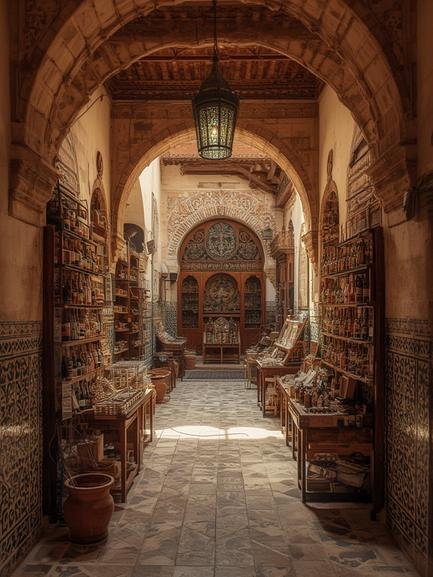
The architectural style of Rabat’s souks reflects a fascinating blend of Andalusian, Moorish, and Berber influences. Most structures feature traditional rammed earth and brick construction with whitewashed walls that keep interiors cool during hot summers. The narrow, winding alleyways serve both practical and defensive purposes—providing shade from the harsh sun while making it difficult for potential invaders to navigate.
Look up to admire the intricate woodwork on doorways and window frames, often featuring geometric patterns that represent Islamic artistic traditions. Unlike the grand, tourist-oriented souks of Fes or Marrakech, Rabat’s markets maintain simpler, more functional designs that speak to their continued role as working commercial spaces for locals. What these markets lack in architectural grandeur, they make up for in authentic atmosphere and daily rhythms unchanged for generations.
Best Time to Visit & Practical Information
The ideal time to explore Rabat’s traditional markets is during spring (April-May) or autumn (September-October), when temperatures are pleasant for walking. Early mornings (8-10 AM) offer the freshest produce and quietest browsing conditions, while late afternoons showcase more vibrant local activity as residents shop after work.
Most souks operate from around 9 AM to 7 PM daily, though many shops close during Friday prayer time (approximately 12-2 PM). The main souks are free to enter and require no tickets. When visiting, modest dress is appreciated—covering shoulders and knees shows respect for local customs. The central markets are easily accessible by petit taxi (approximately 20-30 dirhams from most parts of the city) or via the modern tram system (6 dirhams per journey), with the Bab El Had stop placing you directly at the medina entrance.
Step-by-Step Exploration Guide
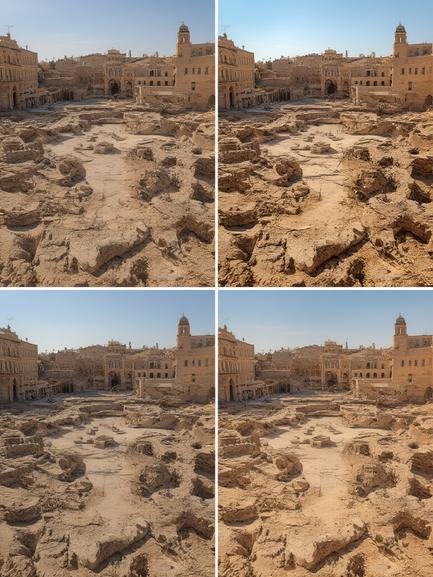
1. Begin at Bab El Had—This historic gate marks the western entrance to the medina and provides an excellent starting point. Take a moment to observe the 20th-century clock tower that blends colonial and Moroccan styles.
2. Explore Souk Es-Sebat—This shoe market offers everything from traditional Moroccan slippers (babouches) to modern footwear. The craftsmanship of hand-stitched leather goods here rivals what you’ll find in the Rabat souks‘ more touristy sections.
3. Wander through Souk El-Attarine—The spice market delights with pyramids of colorful powders, medicinal herbs, and natural beauty products. Ask vendors about their favorite spice blends for authentic Moroccan tagines.
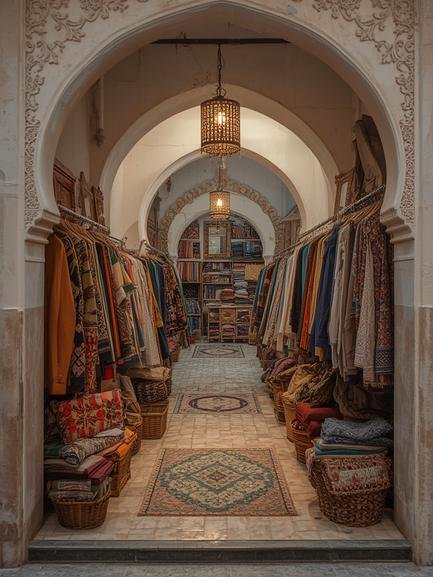
4. Visit Souk El-Ghezel—The wool and textile market showcases traditional Moroccan fabrics, from simple cottons to elaborate brocades used in ceremonial garments. Look for workshops where artisans still use traditional handlooms.
5. Explore Rue des Consuls—This historic street connects the Marrakech medina-inspired carpet shops with jewelry craftsmen and woodworkers. It’s named for the foreign diplomats who once lived here during the 17th and 18th centuries.
6. End at Place Souk El-Ghezel—This small square offers the perfect spot to rest and enjoy mint tea while watching the daily rhythm of market life unfold.
Nearby Attractions, Food & Accommodation
After exploring the markets, visit the adjacent Kasbah of the Udayas, a UNESCO World Heritage site offering spectacular views over the Atlantic Ocean. The Andalusian Gardens provide a peaceful retreat, while the Hassan Tower and Mohammed V Mausoleum showcase Morocco’s religious architecture just a 15-minute walk away.
For authentic dining, try Dar Naji near Bab El Had for traditional Moroccan cuisine (80-150 dirhams per person) or the family-run food stalls within the souk for budget-friendly street food (20-40 dirhams). For accommodation, Riad Dar El Kebira offers traditional luxury within the medina (1,000+ dirhams nightly), while Hotel Calipau Rabat provides mid-range comfort nearby (500-700 dirhams).
Travel Tips & Common Mistakes to Avoid
1. Don’t rush your bargaining—unlike other Moroccan cities, aggressive haggling isn’t expected in Rabat. Start by offering about 60-70% of the initial price and negotiate respectfully.
2. Avoid photography without permission—Always ask before taking pictures of people or their merchandise, as many craftspeople are protective of their designs.
3. Don’t limit yourself to the main pathways—some of the most authentic workshops and stores are found down small side alleys.
4. Skip currency exchange in the souks—use bank ATMs in the Ville Nouvelle for better rates before entering the markets.
Conclusion
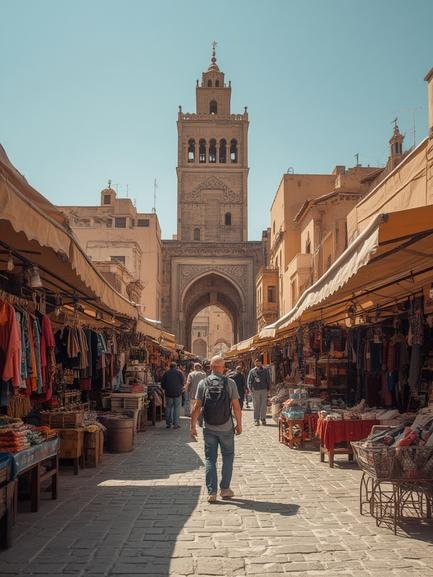
The Rabat souks offer a genuine glimpse into Morocco’s living heritage without the overwhelming tourist crowds found in the Marrakech medina. These markets aren’t merely shopping destinations but windows into a centuries-old commercial tradition that continues to adapt while maintaining its cultural essence. Whether you’re seeking authentic handicrafts, hoping to witness traditional artisanal techniques, or simply wanting to experience daily Moroccan life, these historic marketplaces deserve a prominent place in your Moroccan itinerary. Next time you visit Morocco’s elegant capital, allow yourself to get pleasantly lost in these labyrinthine alleys where every corner tells a story of craftsmanship, commerce, and cultural continuity.
FAQs
How safe are Rabat’s souks for solo travelers?
Rabat’s markets are generally very safe, with significantly less harassment than in more tourist-oriented cities. Still, practice normal travel precautions like keeping valuables secure and remaining aware of your surroundings.
How much time should I allocate for exploring Rabat’s traditional markets?
A thorough exploration requires 3-4 hours, though you could spend an entire day if you include extended shopping and stops at cafes. Many visitors combine the souks with other medina attractions for a full-day experience.
Are Rabat’s markets accessible for visitors with mobility challenges?
The narrow, sometimes uneven pathways present challenges for wheelchair users and those with mobility issues. The main market streets are navigable, but many interesting side alleys have steps or tight passages.
What are the most unique souvenirs to purchase in Rabat’s markets?
Look for Rabat’s distinctive blue pottery, hand-woven Rabati carpets with geometric patterns, and embroidered textiles that showcase the city’s unique blend of Andalusian and Moroccan design traditions.