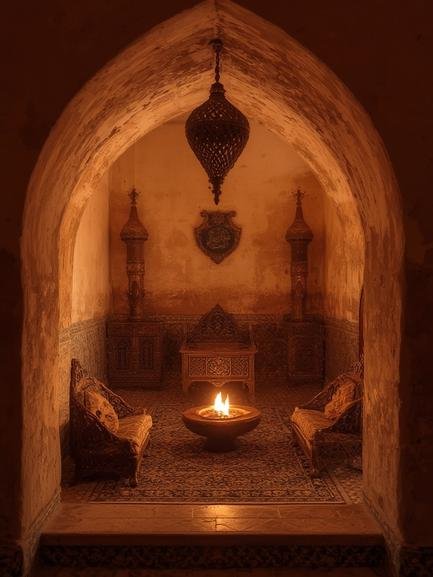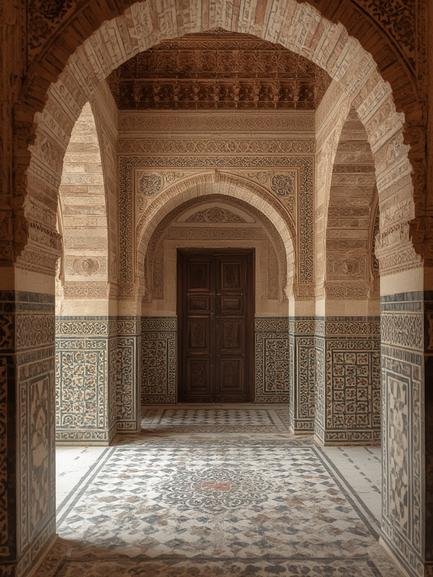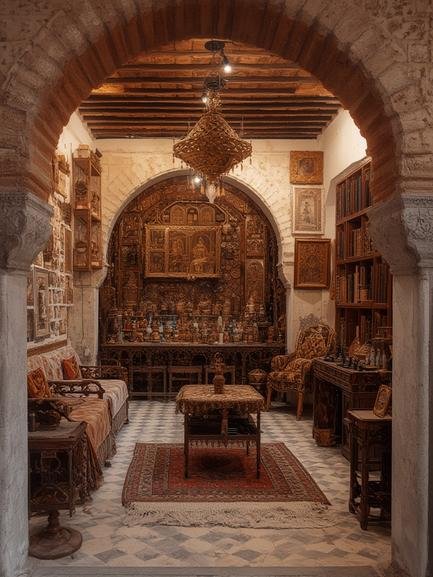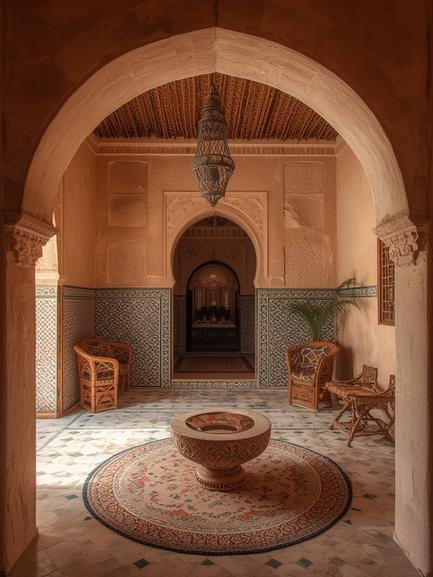

Have you ever dreamed of wandering through ancient fortress walls while overlooking a stunning river and ocean panorama? The Kasbah of the Udayas in Rabat, Morocco offers precisely this magical experience. This 12th-century fortified citadel stands as one of Morocco’s most captivating historical treasures, combining breathtaking views with centuries of fascinating history.
For travelers seeking authentic cultural immersion, the Kasbah provides a perfect blend of architectural splendor and Moroccan heritage that transports visitors back in time while offering picturesque scenes at every turn.
History & Cultural Background

Originally built during the Almohad dynasty in the 12th century, the Kasbah has witnessed Morocco’s rich and complex history unfold across nine centuries. The name “Udayas” comes from the Arab tribe that settled here during the 17th century under the rule of Sultan Moulay Ismail. Before that, this strategic position at the mouth of the Bou Regreg River had already been recognized by the Almoravids in the 11th century.
The fortress underwent significant expansions during the 18th century, and when the French established their protectorate in 1912, they initiated restoration projects that helped preserve much of what visitors see today. In 2012, UNESCO recognized the site’s exceptional cultural value by adding it to the World Heritage List as part of Rabat’s modern capital and historic city.
Architectural Highlights & Key Features
The Kasbah’s most striking feature is its monumental gate, Bab Oudaia, considered among the finest examples of Almohad military architecture. This horseshoe-shaped entrance features intricate geometric patterns and Islamic calligraphy that exemplify the artistic mastery of the era. Once inside, visitors encounter whitewashed residential streets reminiscent of Greek islands like Santorini, though predating them by centuries.
The Andalusian Garden, added during the French colonial period, showcases formal landscaping with fragrant orange and lemon trees, colorful bougainvillea, and traditional fountains. The Kasbah Mosque, one of Morocco’s oldest, features a distinctive square minaret rather than the rectangular style that later became standard in Moroccan architecture.
From the platform overlooking the Atlantic Ocean and Bou Regreg River, the panoramic views rival those of famous Mediterranean coastal fortresses like Dubrovnik’s walls or Portugal’s Fortress of Sagres.
Best Time to Visit & Practical Information
The ideal seasons to visit the Kasbah are spring (April-May) and fall (September-October) when temperatures are pleasant, and tourist crowds are moderate. Summer months can be uncomfortably hot, though the ocean breeze offers some relief.
The Kasbah is open daily from 8:00 AM to 6:00 PM (extended to 7:00 PM during summer months). Entrance to the Kasbah itself is free, though the small museum inside requires a 10 dirham ticket (approximately $1 USD). Modest dress is recommended, especially when visiting the mosque exterior.
Most visitors arrive via taxi from Rabat’s city center (approximately 20 dirhams), though the tram’s Bab El Had stop is within 15 minutes walking distance. To avoid crowds, arrive early morning or late afternoon when the lighting also enhances photography opportunities.
Step-by-Step Exploration Guide
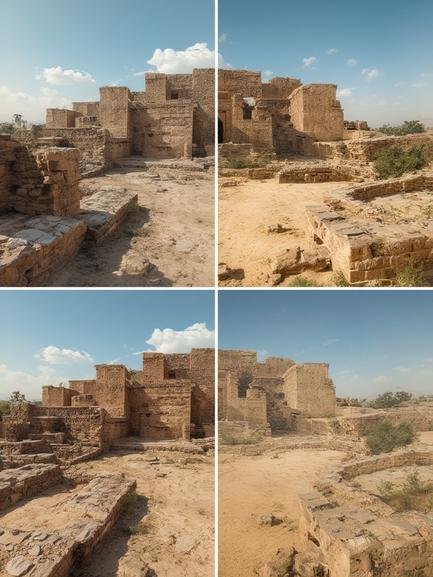
1. Grand Entrance: Begin your journey through the magnificent Bab Oudaia gate, taking time to admire the detailed stone carvings. Pro tip: Visit in morning light when the sun illuminates the intricate patterns.
2. Main Kasbah Streets: Wander through the narrow cobblestone pathways lined with blue and white houses. Don’t rush—the beauty is in the details of doorways, windows, and unexpected corners.
3. Andalusian Garden: Descend to this peaceful haven for a refreshing break. The perfect spot to photograph the contrast between lush greenery and ancient walls of the Kasbah of the Udayas.
4. Oudaias Museum: Housed in a 17th-century palace, explore traditional Moroccan heritage through exhibits of jewelry, musical instruments, and clothing.
5. Café Maure: Pause for traditional mint tea and Moroccan pastries on this cliff-side terrace with spectacular views of the river and ocean.
6. Observation Platform: End your visit at the fortress walls overlooking the Atlantic and Salé city across the river—perfect for sunset photography.
Nearby Attractions, Food & Accommodation
After exploring the Kasbah, visit the nearby Hassan Tower and Mohammed V Mausoleum (10-minute walk), or cross the river to explore the Salé Medina. For shopping enthusiasts, Rabat’s main medina is just 15 minutes away on foot.
For authentic dining, try Dar El Medina for upscale Moroccan cuisine or the casual Café Maure inside the Kasbah. Budget travelers can enjoy fresh seafood at the small restaurants near the marina.
Accommodation options include the luxurious Dar El Kebira riad inside the Kasbah itself, mid-range Hotel Oudaya in downtown Rabat, or budget-friendly Medina Surfing Association hostel for backpackers.
Travel Tips & Common Mistakes to Avoid
1. Don’t rush the visit – Many tourists spend only 30 minutes here, missing hidden corners and detailed craftsmanship. Allow at least 2 hours.
2. Beware unofficial guides – Politely decline unsolicited guide services and hire only licensed guides from official tourism offices.
3. Mind the steep steps – Some passages have uneven stairs; wear comfortable shoes and watch your footing.
4. Respect residential areas – Remember that people live within the Kasbah; avoid loud conversations and ask permission before photographing residents.
5. Carry small bills – For entrance fees, tips, and purchases at small shops that may not accept credit cards or have change.
Conclusion
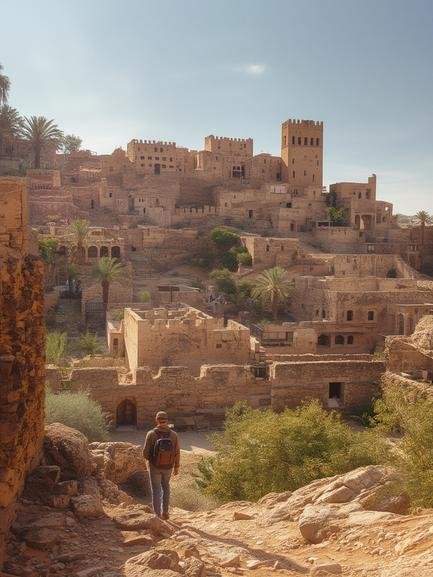
The Kasbah of the Udayas stands as a testament to Morocco’s rich historical tapestry, offering visitors a captivating glimpse into centuries of cultural evolution within its ancient walls. From its strategic military origins to its current status as a living museum, this fortress encapsulates the essence of Moroccan heritage while providing some of Rabat’s most breathtaking views. Whether you’re a history enthusiast, architecture lover, or simply seeking authentic travel experiences, the Kasbah deserves a prominent place on your Moroccan itinerary. Save this guide for your upcoming adventure, and don’t forget to share your experiences in the comments below—or explore our related guides to Fez, Marrakech, and Chefchaouen!
FAQs
How long does it take to visit the Kasbah of the Udayas properly?
A thorough visit requires 2-3 hours, including time to enjoy the gardens, museum, and a refreshment break at Café Maure.
Is the Kasbah accessible for visitors with mobility challenges?
Parts of the Kasbah have steep steps and uneven surfaces that may be difficult for those with mobility issues. The main entrance area and Andalusian Gardens are more accessible than the residential streets.
Are there restrictions on photography?
Photography is allowed throughout most of the Kasbah, except inside the museum where there may be restrictions. Always ask permission before photographing local residents.
Is it safe to visit the Kasbah?
Yes, the Kasbah is generally very safe and well-patrolled. As with any tourist destination, remain aware of your belongings and avoid isolated areas after dark.
Can I visit the mosque inside the Kasbah?
Non-Muslim visitors cannot enter the mosque interior, but everyone can admire its exterior architecture and minaret.